Four untranslatable Japanese words — wabi-sabi, ikigai, komorebi, mottainai — capture a complete philosophy of life. How to use them this week.
Read this article to earn +5 MTC
The 4 Japanese Words That Will Change How You See Life Forever
Why These 4 Words Matter
Some words don't translate. Not because of language barriers, but because they capture concepts your culture never named.
Japan has dozens of these — but four stand out because they offer practical wisdom that quietly changes how you live.
1. Wabi-Sabi (侘び寂び) — Beauty in Imperfection
The concept: Finding beauty in things that are imperfect, weathered, or incomplete.
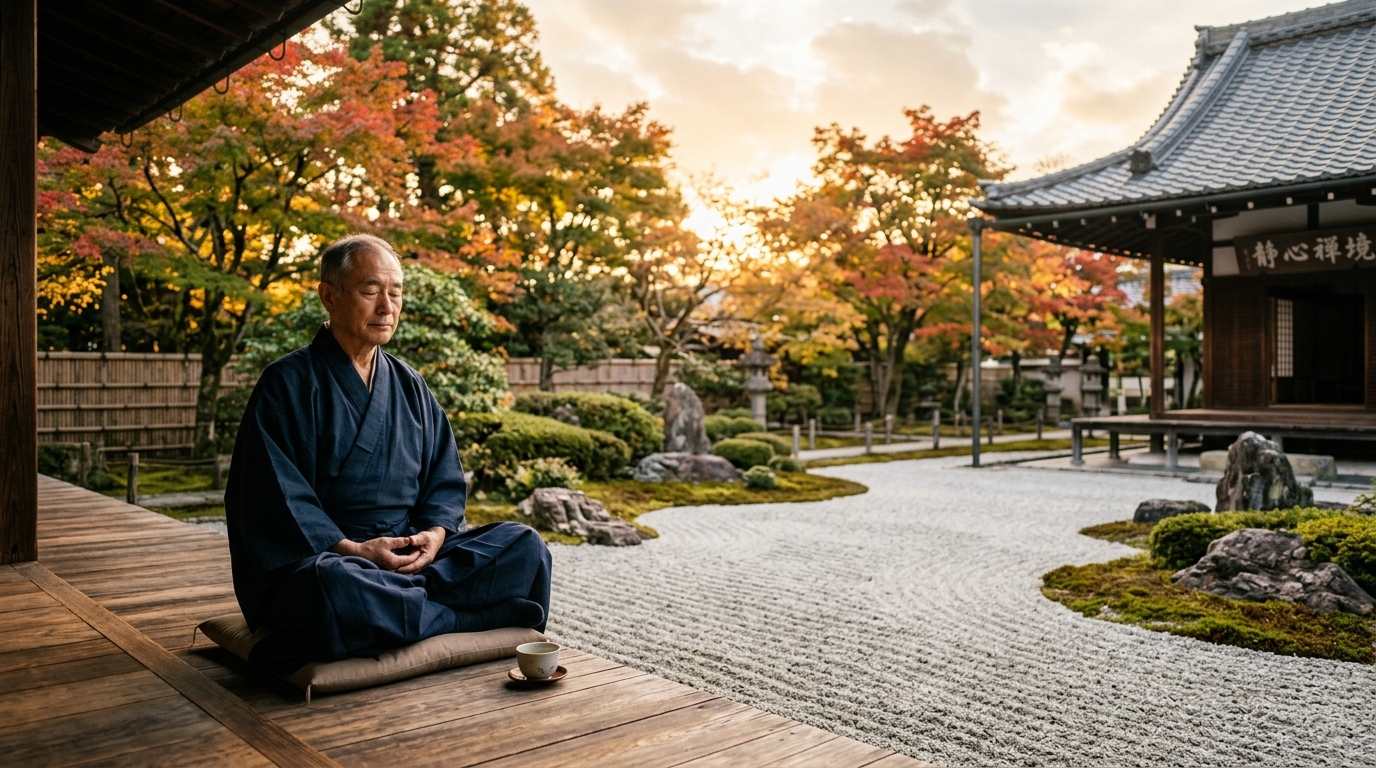
A cracked tea bowl repaired with gold lacquer (kintsugi) is more valuable than a perfect new one. A weathered wooden temple is more beautiful than a brand-new replica. Falling autumn leaves are more profound than perpetual spring.
Why it changes you:
Modern culture worships perfection — Photoshopped faces, flawless products, polished surfaces. Wabi-sabi proposes the opposite: your scars, your aging, your incompleteness are the most beautiful parts of you.
When you internalize wabi-sabi, you stop hating your wrinkles, your failures, your awkward moments. You start seeing them as character — as the gold lining your cracks.
2. Ikigai (生きがい) — Your Reason to Wake Up
The concept: Iki (to live) + gai (worth) = "the value of being alive." Small daily reasons that make today worth living.
The Western internet popularized ikigai through a 4-circle Venn diagram (love + skill + world needs + paid for). That diagram is invented — it's not Japanese. The real concept is much smaller and deeper.
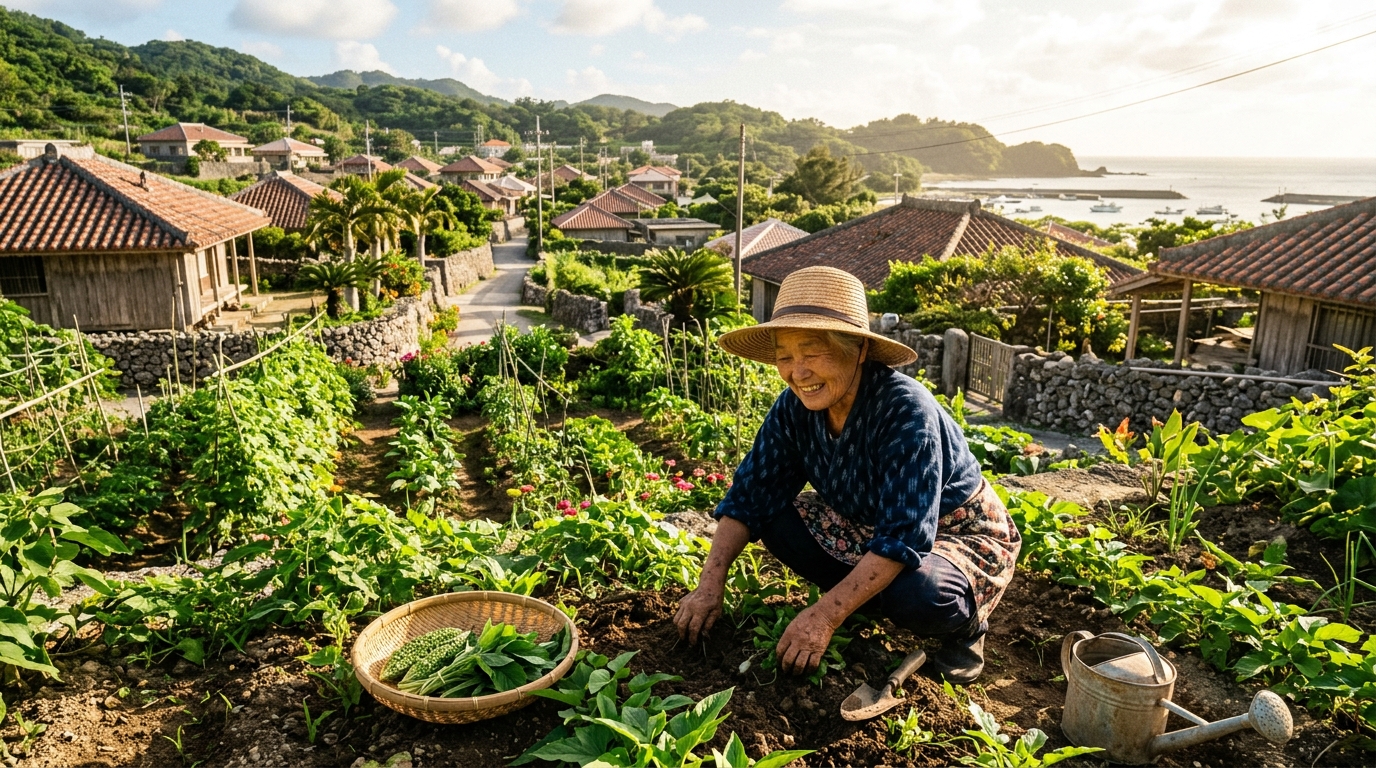
When researchers asked centenarians in Okinawa about their ikigai, the answers were tiny:
- Greeting my grandchildren each morning
- Tending my tomato plants
- Drinking tea with my neighbor
- Making my specialty dish for someone
Why it changes you:
In the West, "find your purpose" is presented as one giant life mission. The Japanese version is wiser: have many small ikigai every day.
You don't need one grand reason to live. You need many small ones — and that's enough for a 100-year life.
3. Komorebi (木漏れ日) — Sunlight Filtering Through Trees
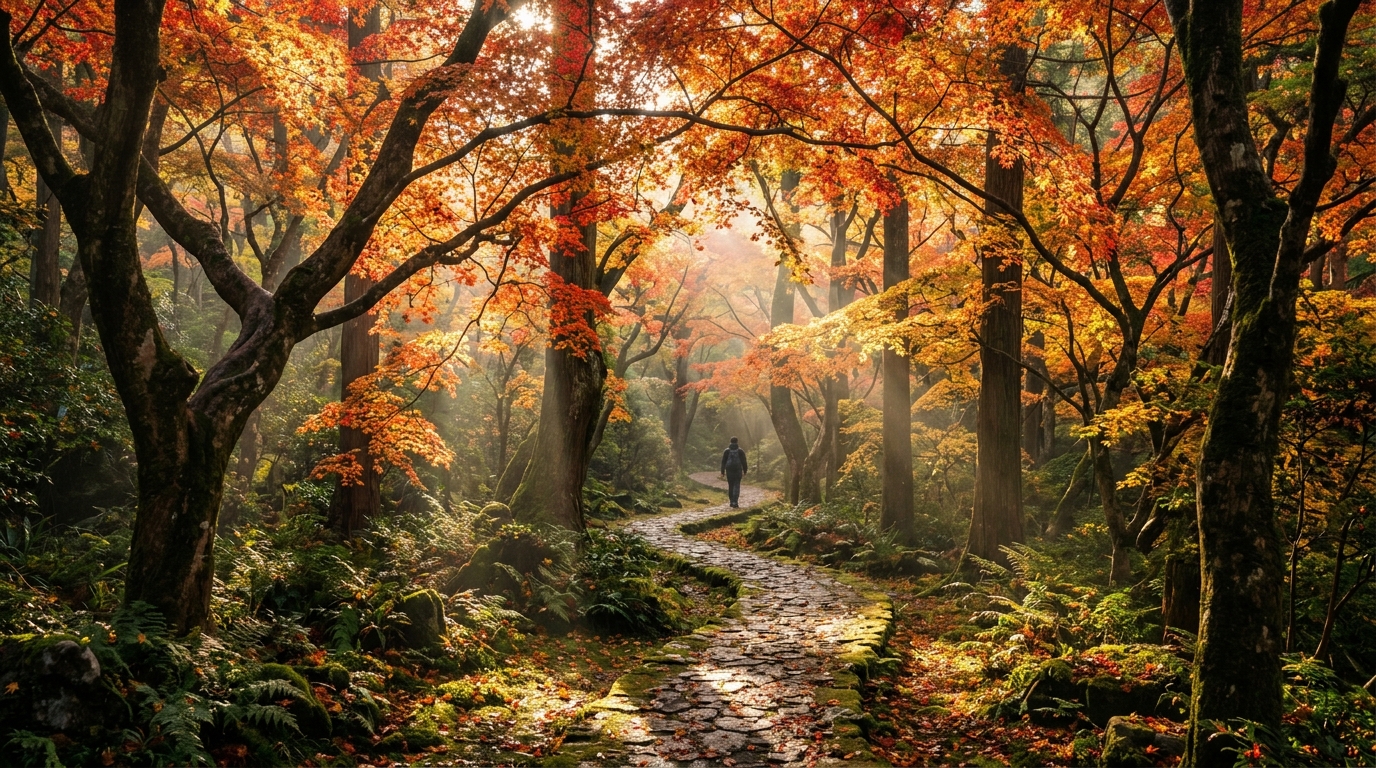
The concept: The specific phenomenon of sunlight filtering through tree leaves, creating dappled patterns.
This is the single most beautiful word I've learned in any language. It's not just a description — it's a recognition that this fleeting moment of light deserves its own name.
Why it changes you:
When a culture creates a word for something, that something becomes visible. Before the word "selfie," people took selfies but didn't notice them as a category. Once the word exists, you start seeing it everywhere.
When you learn komorebi, you start noticing the light filtering through trees. You stop walking past beauty because you have a word for it.
This is the secret of Japanese aesthetics: specificity creates appreciation. Naming the small things teaches you to see them.
4. Mottainai (もったいない) — Sacred Waste Avoidance
The concept: Regret over wasted potential. Not just "this is wasteful" — but "this thing has value that should not be discarded."
When you throw away half-eaten food: mottainai. When you waste time on what doesn't matter: mottainai. When you ignore your own potential: mottainai. When a child throws a tantrum over a small thing: mottainai (a Japanese mother might say).
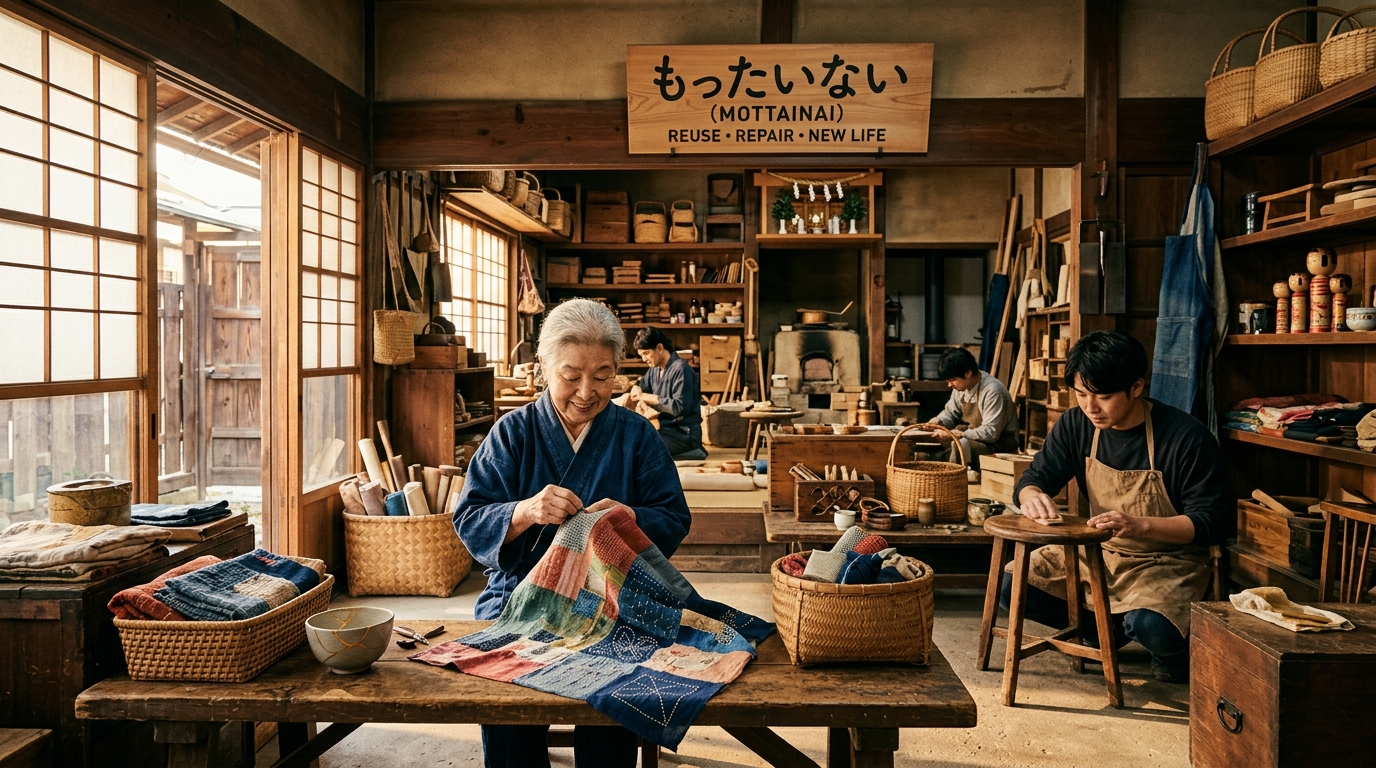
The word carries a Buddhist undertone — that everything has buddha-nature, even physical objects. Wasting them disrespects their existence.
Why it changes you:
Western environmentalism treats waste as a logical problem (climate, resources). Mottainai treats it as a spiritual problem. This is a much stronger motivator.
When you live with mottainai, you naturally:
- Repair instead of replace
- Use what you have completely
- Honor your time and energy
- Recognize the value already around you
Kenyan environmentalist Wangari Maathai (Nobel Peace Prize) became an evangelist for "mottainai" globally — saying it's the single concept the world most needs.
How to Use These 4 Words This Week
Day 1-2: Wabi-sabi
Look at one imperfect thing in your life — your scars, your incomplete project, your aging parents. Practice seeing it as beautiful, not lacking.
Day 3-4: Ikigai
Write down 5 small things that gave you a reason to wake up this week. Not "find my life purpose" — just 5 small reasons.
Day 5-6: Komorebi
Walk somewhere with trees. Notice the light. Just notice it. That's the practice.
Day 7: Mottainai
Identify one thing you're wasting — time, food, talent, relationship. Honor it instead.
The Bigger Picture
These four words aren't just vocabulary. They are a way of seeing.
They teach: beauty in imperfection, meaning in small daily things, attention to fleeting moments, and respect for everything that exists.
That's a complete philosophy of life — distilled into four words. A philosophy that took the West centuries to develop and is still incomplete.
Try them this week. You'll never see your life the same way.