As over 42.7 million tourists flood Japan's Golden Route, repeat visitors are quietly heading to the countryside. From Kanazawa to Nagato to Obihiro — discovering the real Japan beyond overtourism.
Read this article to earn +5 MTC
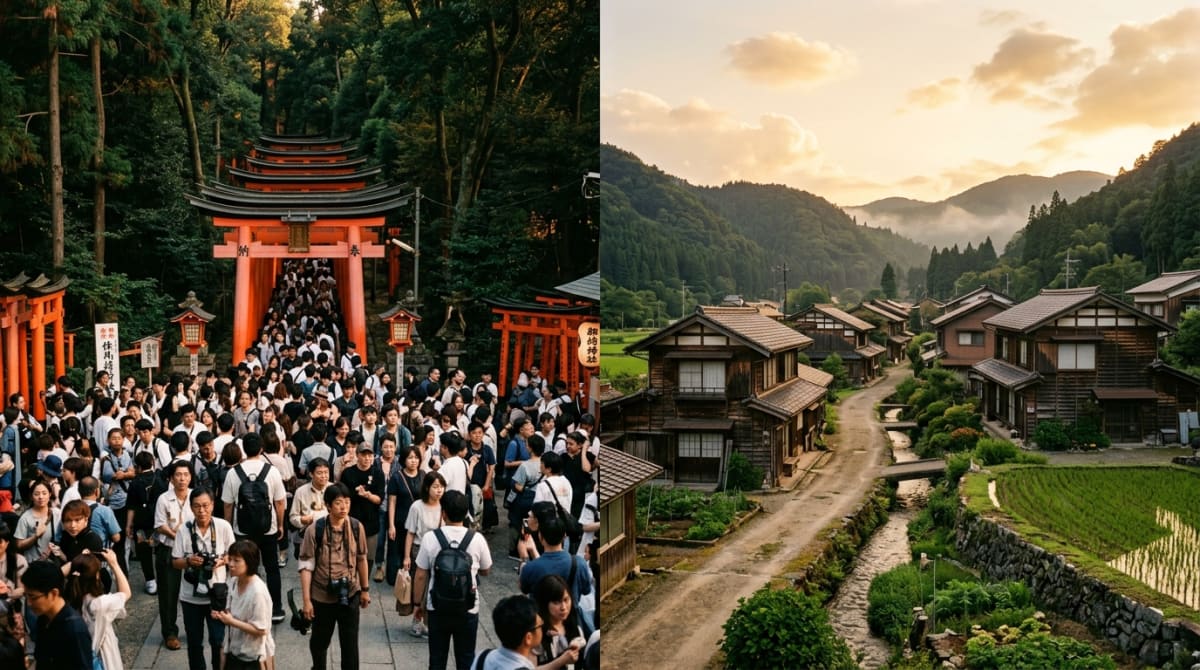
In 2025, Japan welcomed over 42.7 million international visitors. Tokyo's Shibuya Crossing, Kyoto's Fushimi Inari, Osaka's Dotonbori — the so-called "Golden Route" is bursting at the seams with travelers from around the globe.
But behind these impressive numbers lies a serious challenge: overtourism. Local residents struggle with overcrowded public transportation, cultural heritage sites face accelerated deterioration, and in Kyoto, some bus routes have become so packed with tourists that commuters can no longer board.
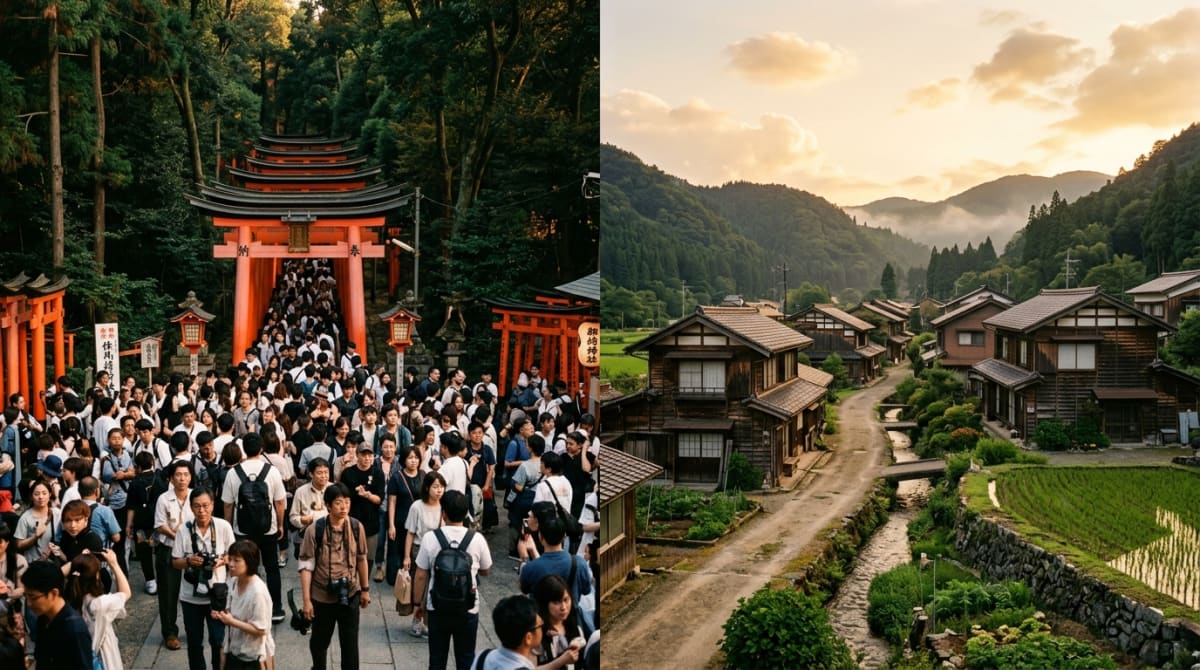
Yet amid this challenge, a quiet but unmistakable shift is reshaping Japanese tourism in 2026. Repeat visitors, in particular, are seeking their next destination in Japan's lesser-known regions.
The Regional Shift — Repeat Visitors Leading a New Way to Travel
Japan expects 41.4 million international visitors in 2026. What's remarkable is the changing composition: South Korean visitors have overtaken Chinese tourists as the largest group, while repeat visitors from Taiwan, Europe, and North America are surging.
What unites these travelers is experience. They've already "done" Tokyo and Kyoto. On their second or third visit, they want to escape the crowds and dive deeper into Japanese culture — local festivals, artisan workshops, hot springs, and regional cuisine. The evolution from "buying things" to "experiencing things" to what experts now call "value consumption" is accelerating.
The Japanese government is actively supporting this shift. The Japan Tourism Agency's 2026 budget has expanded 2.4 times to a record 138.3 billion yen, with regional tourism dispersal as a key pillar. The departure tax has also been raised to 3,000 yen, with increased revenue dedicated to combating overtourism and boosting rural tourism.
Hidden Gem #1: Ishikawa & Kanazawa — Kyoto's Quieter Twin
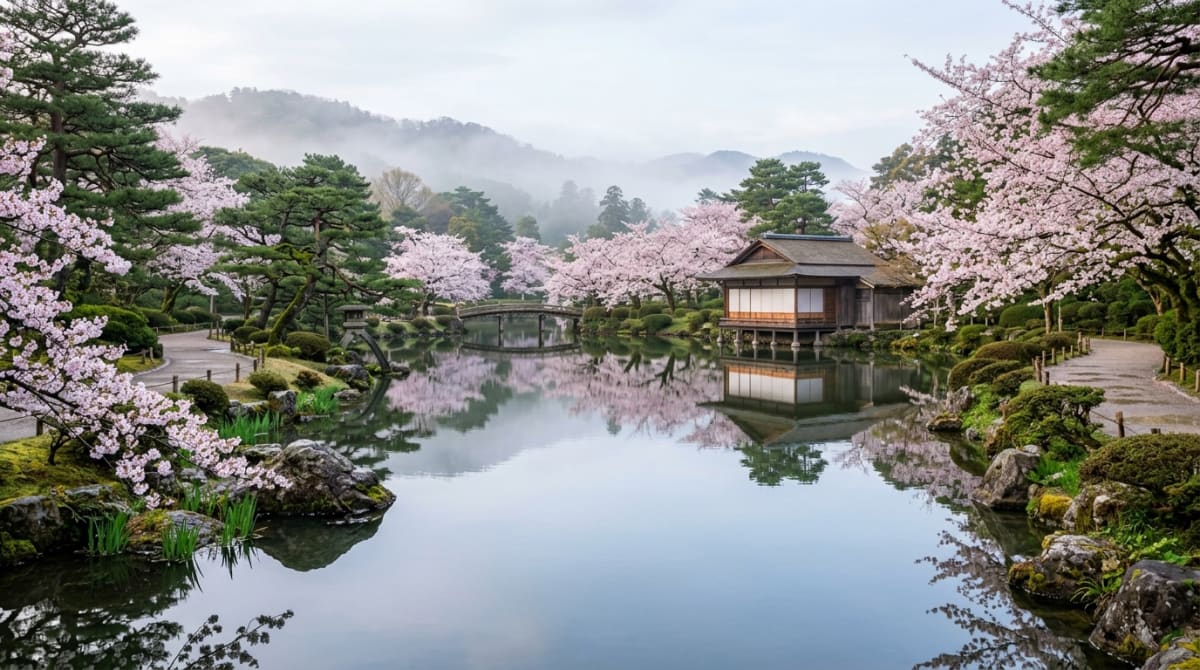
"If Kyoto's crowds are wearing you down, head to Kanazawa." This whispered recommendation has become a refrain among travel insiders in 2026. As the former castle town of the Maeda clan's million-koku domain, Kanazawa possesses a cultural depth that rivals Kyoto itself.
Kenrokuen, one of Japan's three great gardens, offers a tranquility that Kyoto's Arashiyama Bamboo Grove can only dream of. The wooden lattice facades of the Higashi Chaya district still breathe with living geisha culture. Omicho Market serves the freshest Sea of Japan seafood, while the 21st Century Museum of Contemporary Art provides a striking contrast of modern creativity.
Thanks to the fully restored Hokuriku Shinkansen, Kanazawa is just 2.5 hours from Tokyo. The ongoing recovery of the Noto Peninsula has also opened attractive day-trip circuits including the Wajima Morning Market and Chirihama Beach, making Kanazawa an ideal base for regional exploration.
Hidden Gem #2: Yamaguchi & Nagato — Sea of Japan Grandeur and Terraced Rice Fields
The San'in region has one of the lowest inbound tourism rates in Japan — a truly "undiscovered Japan." Nagato City in Yamaguchi Prefecture, in particular, captivates seasoned travelers with its dramatic Sea of Japan coastline and hillside terraced rice paddies.
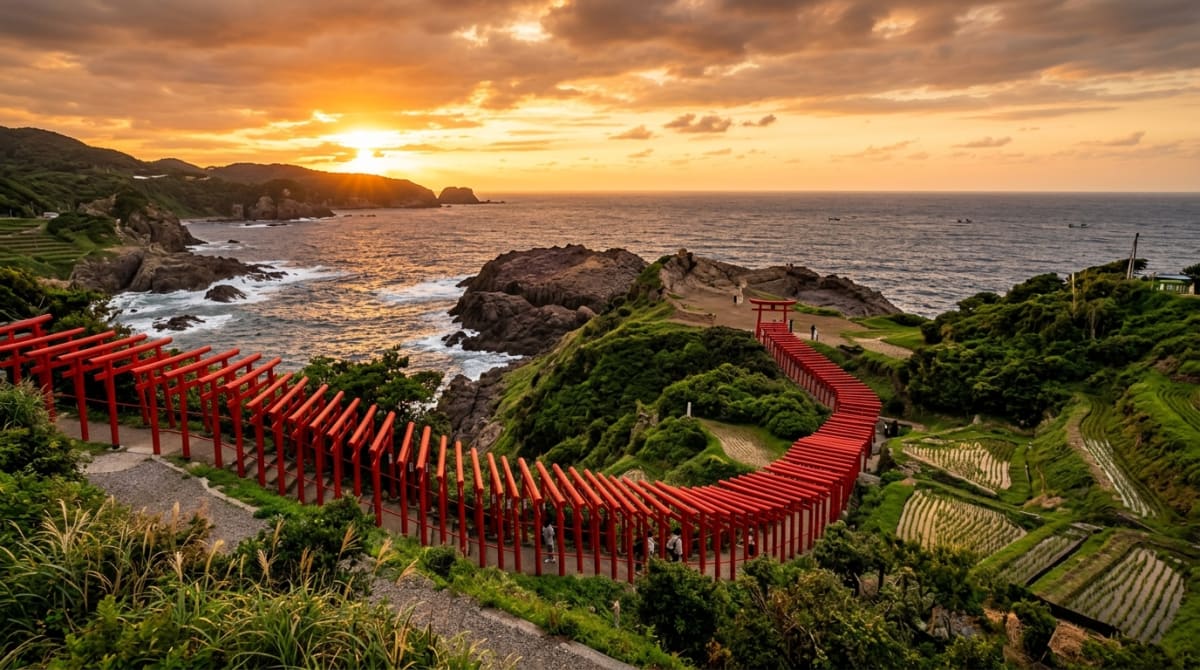
The iconic row of red torii gates at Motonosumi Shrine, cascading toward the ocean, has gained worldwide attention on social media, yet remarkably few international visitors actually make the journey. Here, you can enjoy the raw beauty of the Sea of Japan coast virtually to yourself.
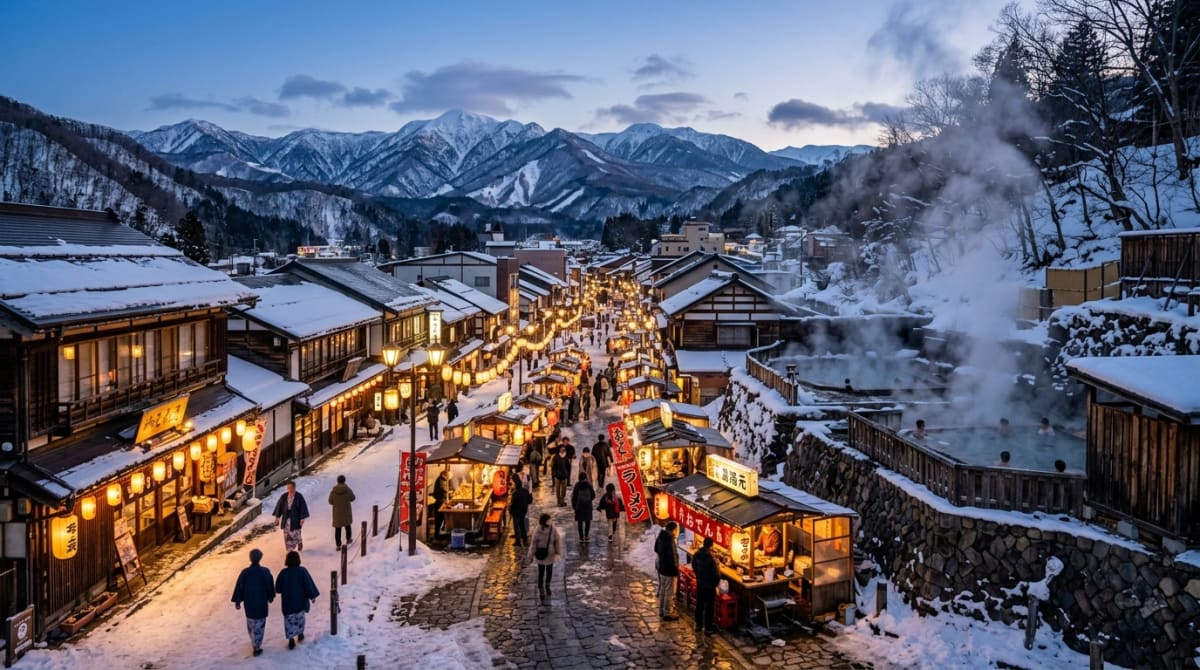
Nagato Yumoto Onsen, a hot spring town revitalized with the involvement of Hoshino Resorts, has become a model for rural tourism renewal. Walking along the illuminated riverside promenade while savoring local sake and fugu (pufferfish) cuisine creates evenings that simply cannot be replicated in Tokyo.
Hidden Gem #3: Hokkaido's Obihiro — A Treasury of Food and Hot Springs
While Hokkaido is popular among international visitors, most gravitate toward Sapporo, Otaru, and Hakodate. The eastern city of Obihiro, however, harbors what can only be described as a paradise of food and relaxation.
Obihiro's charm lies in its compact accessibility. The city offers moor hot springs — a globally rare type of plant-derived thermal bath — right in the urban center, while the vast Tokachi farmlands surrounding the city provide authentic farm-stay experiences. The local specialty butadon, grilled pork glazed in a sweet-savory sauce served over steaming white rice, is simple, addictive, and unforgettable.
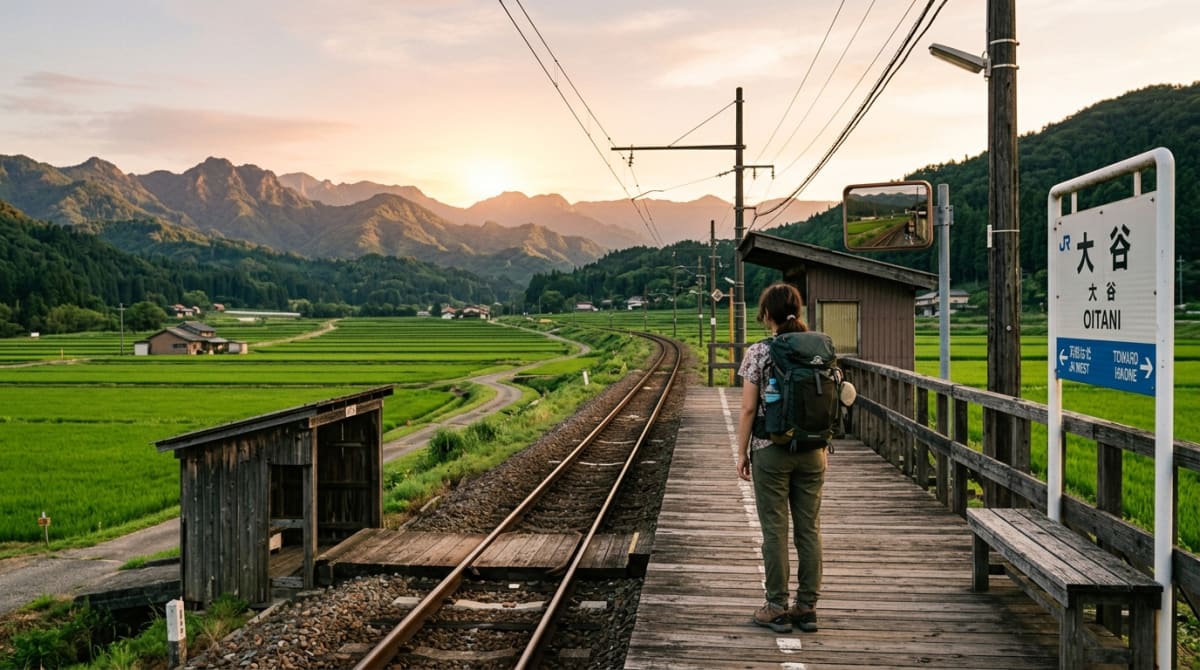
Winter brings banei horse racing, a form of heavy draft horse competition found nowhere else on Earth, while summer paints the Tokachi plains in endless fields of flowers. Obihiro isn't a place where "there's nothing to do" — it's where everything exists at a gentler, more human pace.
The Shape of Travel in the Age of Value
Japanese inbound tourism stands at a turning point in 2026. The era of chasing numbers is giving way to an era of deepening quality. The rush through crowded famous spots is being replaced by slow, immersive stays in single regions where culture can be truly savored.
In Japan's countryside, the "everyday Japan" that is gradually disappearing from Tokyo and Kyoto still lives and breathes. Chatting with fishermen at a dawn market, hearing local history from a ryokan proprietress, dissolving into the energy of a village festival — perhaps this kind of travel is what lies on the other side of overtourism: a genuine encounter with the real Japan.
The destination no longer has to be Tokyo or Kyoto. Japan's "next must-visit" is waiting quietly in a small town you haven't heard of yet.