MAFF 2025 data: 190,000+ Japanese restaurants worldwide. The 5 next-wave wa-shoku genres beyond sushi conquering global markets.
Read this article to earn +5 MTC
Japanese Food Goes Global — The Next Wave Isn't Sushi: What's Really Conquering the World
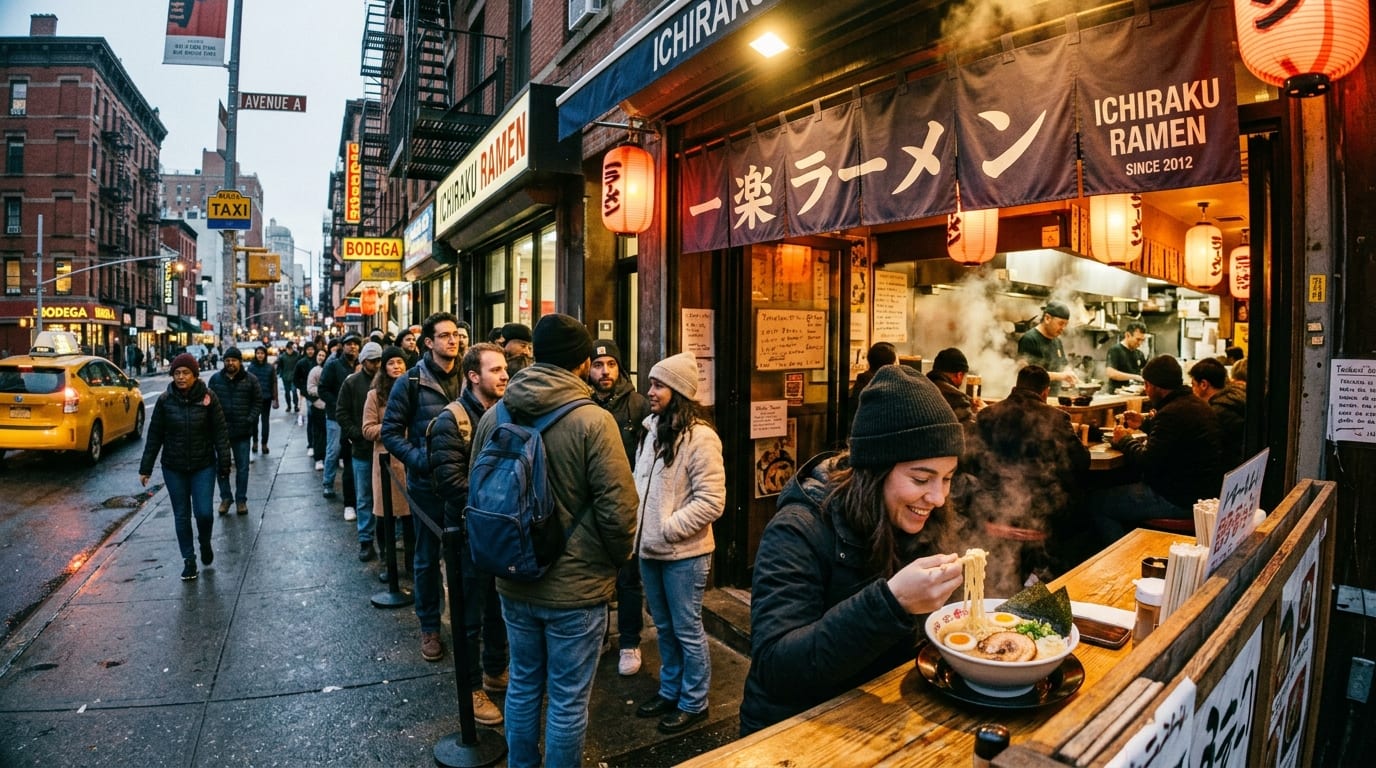
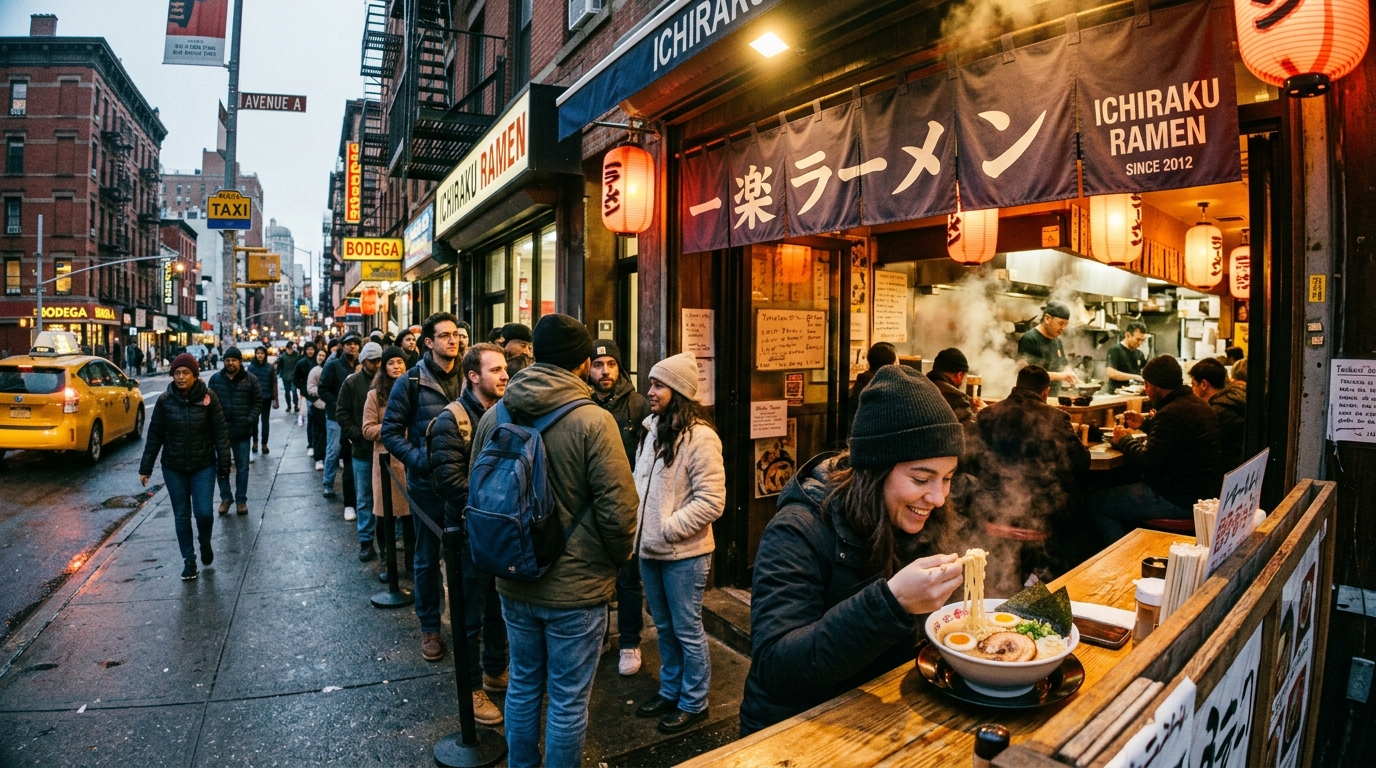
The Shock: 190,000+ Japanese Restaurants Worldwide
MAFF 2025 data: Japanese restaurants overseas hit 190,000 — 3.8x the 50,000 of 10 years ago. Surpassed French cuisine to become the world's most popular high-end food genre.
Sushi and ramen led the first wave. Now the second wave is rolling in.
5 Wa-Shoku Genres Driving the "Next Wave"
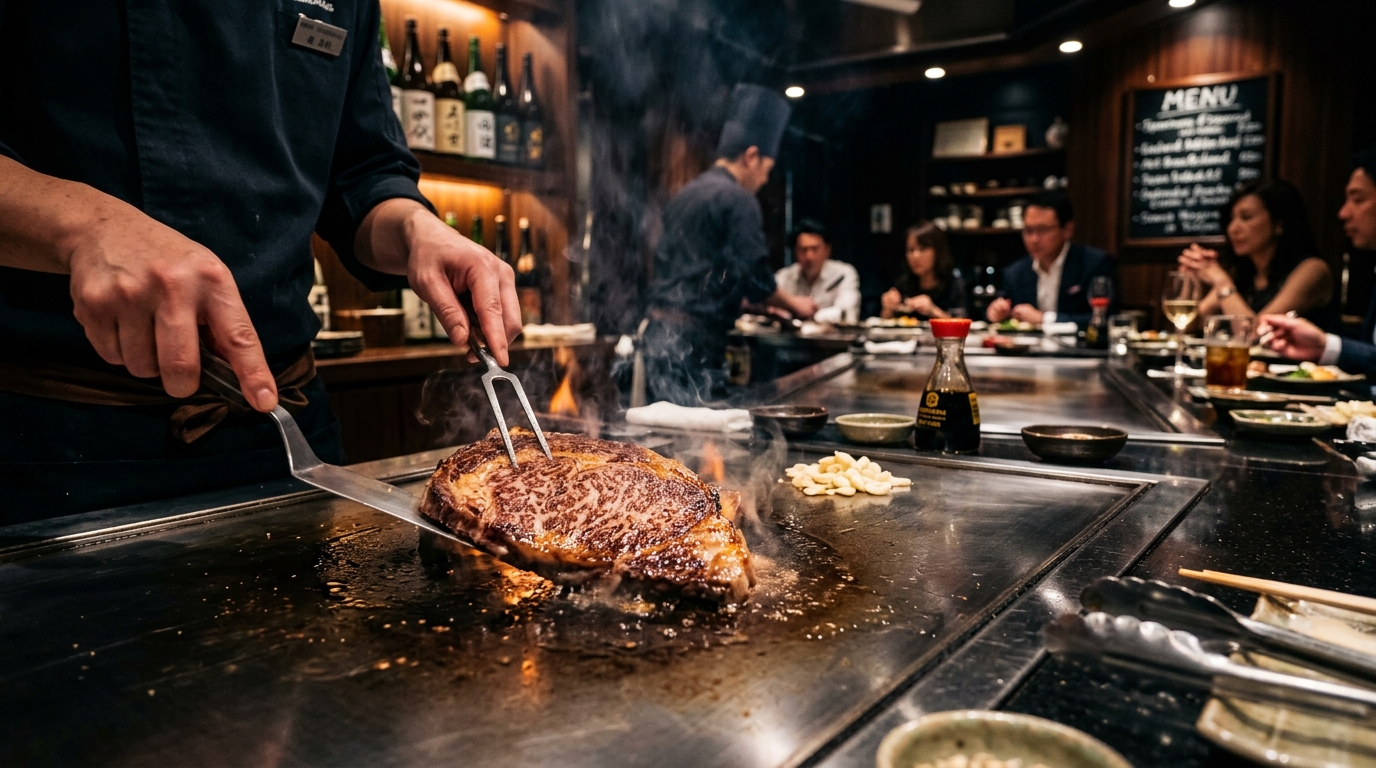
1. Wagyu — Standard at Luxury Restaurants
A5 wagyu exports hit 300 tons in 2025 (40x ten years ago). Now standard menu at top steakhouses in US, Singapore, Dubai, London.
¥30-50K per person, yet 2-month reservation waitlists. Wagyu has transcended "Japanese cuisine" to create the "world's premier steak" genre.
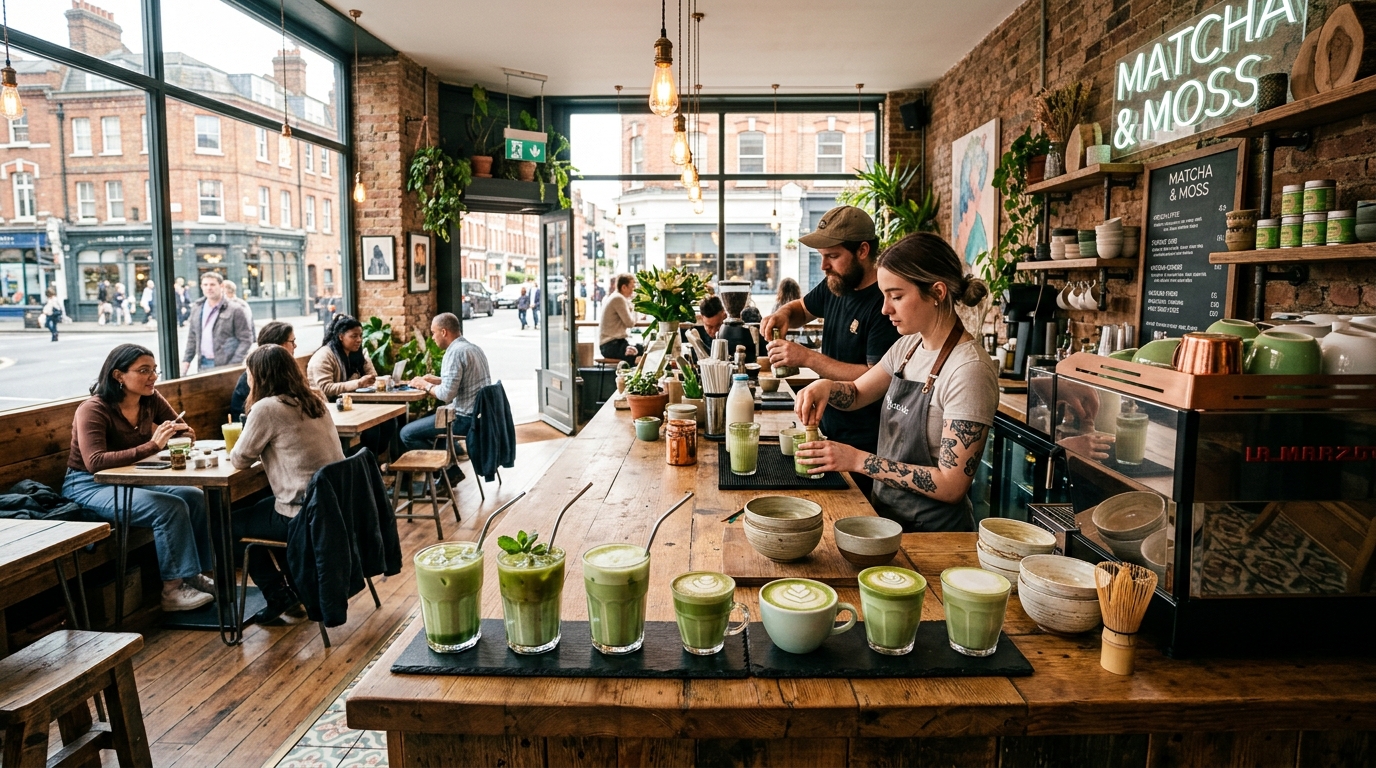
2. Matcha — Gen Z Essential
Starbucks' matcha latte: 500 million cups annually worldwide. Matcha is a Gen Z status symbol. Healthy + Instagram-worthy + Japan-cool — the perfect combo.
Matcha exports up 8x in 10 years. Kyoto Uji matcha is in worldwide shortage.
3. Japanese Craft Beer
Japanese craft beer exports hit all-time high in 2024. Yo-ho Brewing, Coedo, Baird showcased at specialty stores worldwide. The "Sake → Japanese Beer" boom is growing, especially in California.
4. Japanese Curry — Hit in Brexit-Era UK
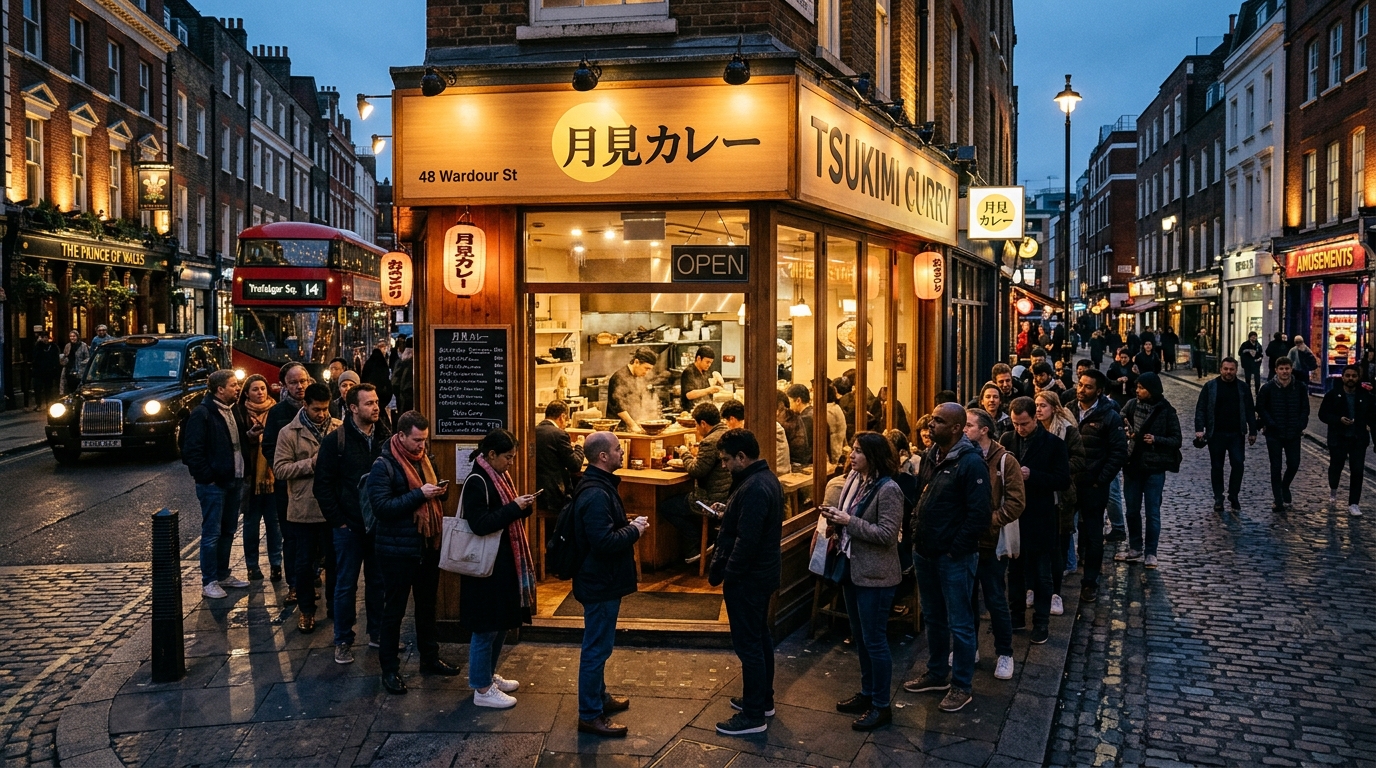
In London alongside Wagamama and Tonkotsu, Japanese curry shops "CoCo Ichibanya" and "Curry House" are growing rapidly — over 50 stores in Europe.
Fascinating phenomenon: curry, originally British colonial heritage, now re-imported as Japanese-style (sweeter, thicker, served with rice).
5. Health Food — Miso, Natto, Konjac
Latest trend: Japanese food as functional food. Probiotic miso, protein-rich natto, zero-calorie konjac surging in Western health food markets.
Especially "shirataki pasta" (konjac) is exploding in US as gluten-free, low-carb diet food.
Why Is the "Second Wave" Hitting Now? — 4 Reasons
Reason 1: Japanese Soft Power
Anime, manga, J-pop, games — Japanese content consumption at all-time high globally. Generations grown up with Japan-affinity now adults, demanding to eat Japanese.
Reason 2: Health Consciousness
Western obesity, diabetes crisis. "Japanese food = healthy" image being medically proven (Okinawa longevity studies, etc.).
Reason 3: SNS Photogenic
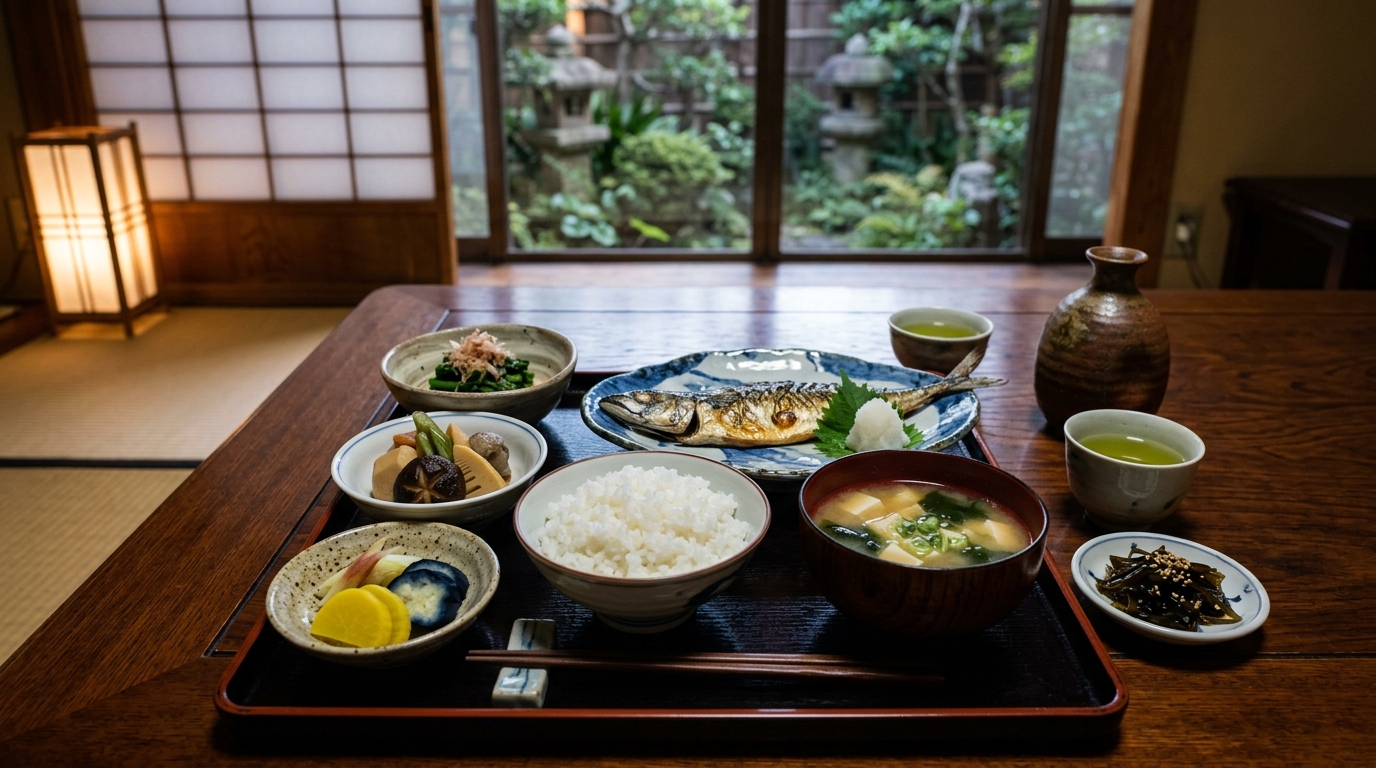
"Visually beautiful food" wins the era. Washoku presentation aesthetics dominate Instagram, TikTok.
Reason 4: Yen Weakness
Japanese ingredient exports gain price competitiveness in yen-weak era. Wagyu, matcha, sake, miso — "Made in Japan" wins over local production economically.
3 Strategies for Japanese Companies to Win the "Next Wave"
Strategy 1: Sell "Authentic"
Insist on Japan origin. Even if expensive, "true Japan-made" wins over local production. Maximize "Made in Japan" brand power.
Strategy 2: Combine with "Education"
Don't just sell — offer cooking classes, cultural experience, tell the story. Sell culture, not just product.
Strategy 3: Local Partnerships
Going abroad alone is harder than partnering with local chefs, restaurants, distribution. Increasing examples of Kyoto shinise succeeding via local partners.
Closing — "Japanese Food" Is the Biggest Soft Power Export
190,000 stores, ¥10+ trillion market. Soft power export comparable to semiconductors or automobiles.
A business that delivers culture, health, and deliciousness simultaneously — globally welcomed.
In 2026, the next "wa-shoku beyond sushi" to spread worldwide might come from you.