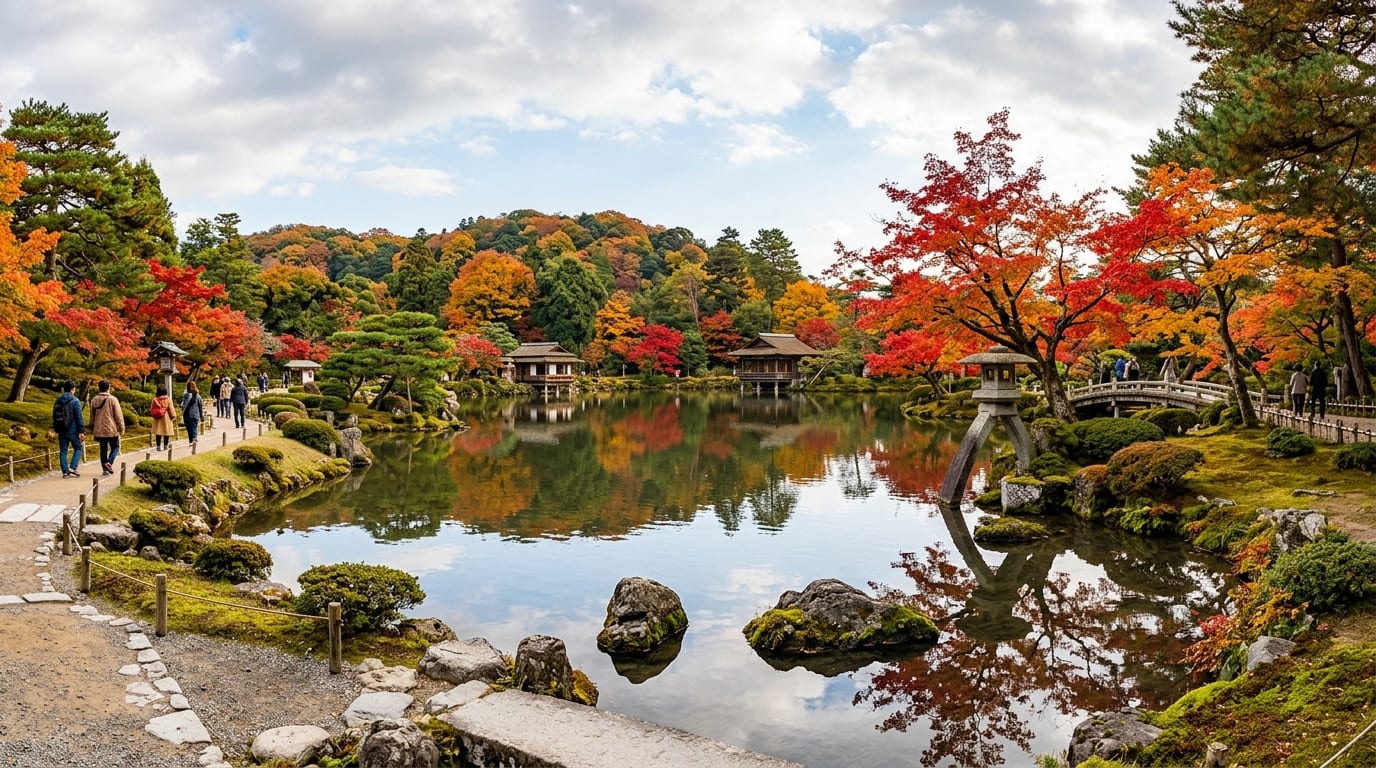
Discover Japan beyond the standard route. From Kanazawa tea districts to Iya Valley wilderness, Tottori sand dunes to Nebuta Festival — 15 hidden gems for 2026 with practical travel tips.
Read this article to earn +5 MTC
"If you're going to Japan, visit Tokyo and Kyoto" — are you really satisfied with just the standard route? The true charm of Japan lies far beyond the famous tourist spots. Hidden landscapes known only to locals, historic sites with barely any tourists, and nature experiences that cleanse the soul. For 2026, we've carefully selected hidden gems that will transform your Japan trip into an unforgettable adventure.
Hokuriku & Chubu Region — Hidden Jewels Along the Sea of Japan
Kanazawa: Kenroku-en & Tea Districts (Ishikawa Prefecture)
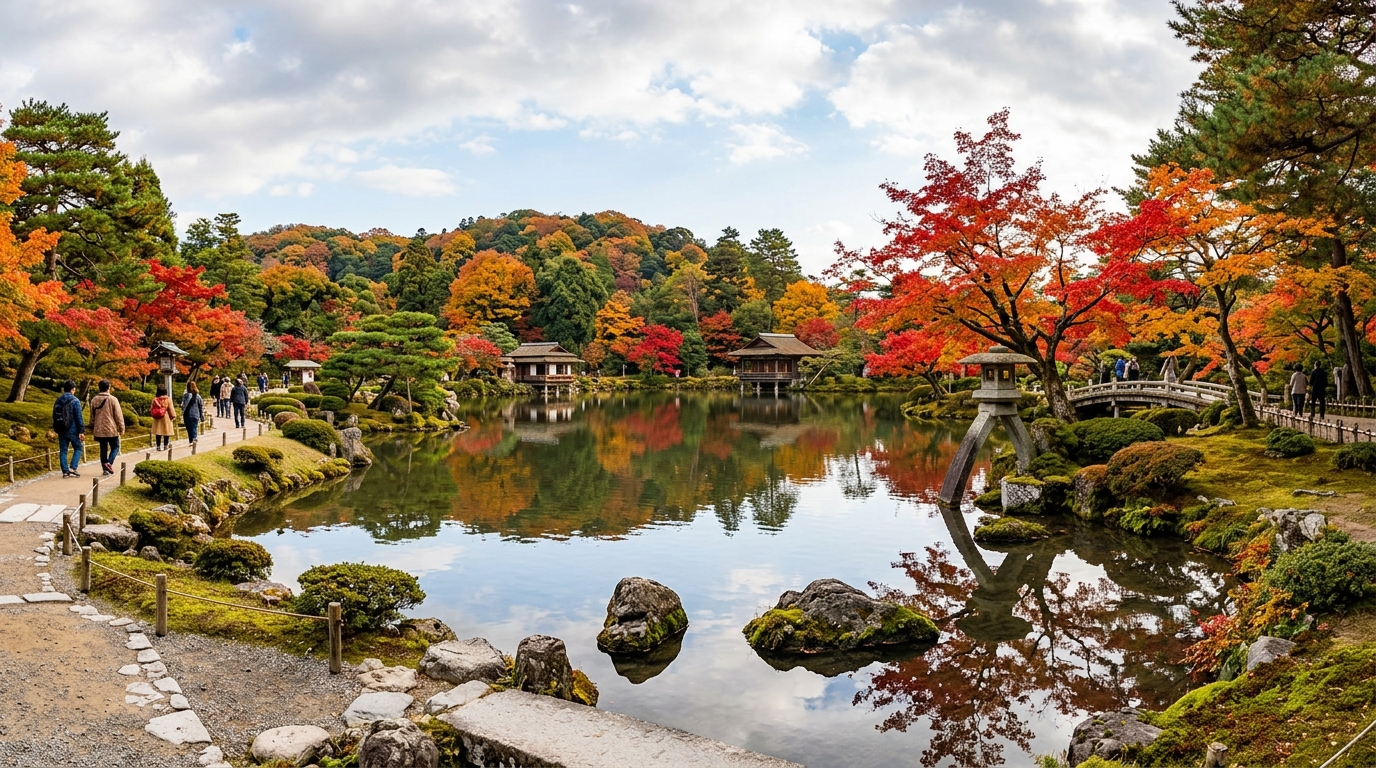
Kanazawa is called "Little Kyoto," yet it possesses a completely different charm. Kenroku-en, one of Japan's three most beautiful gardens, shows a different face with each season — spring cherry blossoms, summer greenery, autumn foliage, and winter yukitsuri (snow-hanging ropes protecting trees) — every season takes your breath away.
The Higashi Chaya District retains the atmosphere of the Edo period with its latticed buildings. Compared to Kyoto's Hanamikoji, there are overwhelmingly fewer tourists, allowing you to quietly immerse yourself in traditional Japanese culture. Gold leaf ice cream, Kaga cuisine, and Kutani pottery painting experiences — there's so much you can only do here.
At Omicho Market, you can savor the freshest seafood. Winter crab in particular is exquisite, with freshness that far surpasses Tokyo's Tsukiji (Toyosu). Just 2.5 hours from Tokyo via the Hokuriku Shinkansen, a day trip is possible, but we recommend staying at least two nights to fully appreciate Kanazawa's depth.
Shirakawa-go & Gokayama (Gifu & Toyama Prefectures)
Shirakawa-go is a UNESCO World Heritage Site famous for its gassho-zukuri thatched-roof houses. However, the quieter Gokayama Ainokura village is equally worth visiting. While Shirakawa-go welcomes 1.7 million tourists annually, Gokayama sees less than a tenth of that. You can actually stay overnight in a thatched-roof farmhouse, gathering around the irori hearth to enjoy home-cooked meals prepared by local grandmothers — an authentic experience you won't find anywhere else.
Matsumoto Castle & Kamikochi (Nagano Prefecture)
Matsumoto Castle is a National Treasure and the oldest existing five-tiered, six-story castle keep in Japan. Its striking black and white contrast against the Northern Alps backdrop is stunning. An hour's drive away, Kamikochi is an alpine resort at 1,500m elevation. The view of the Hotaka mountain range from Kappa Bridge is the iconic landscape of the Japanese Alps.
Shikoku & Chugoku Region — Hidden Wilderness Beyond Honshu
Iya Valley (Tokushima Prefecture)
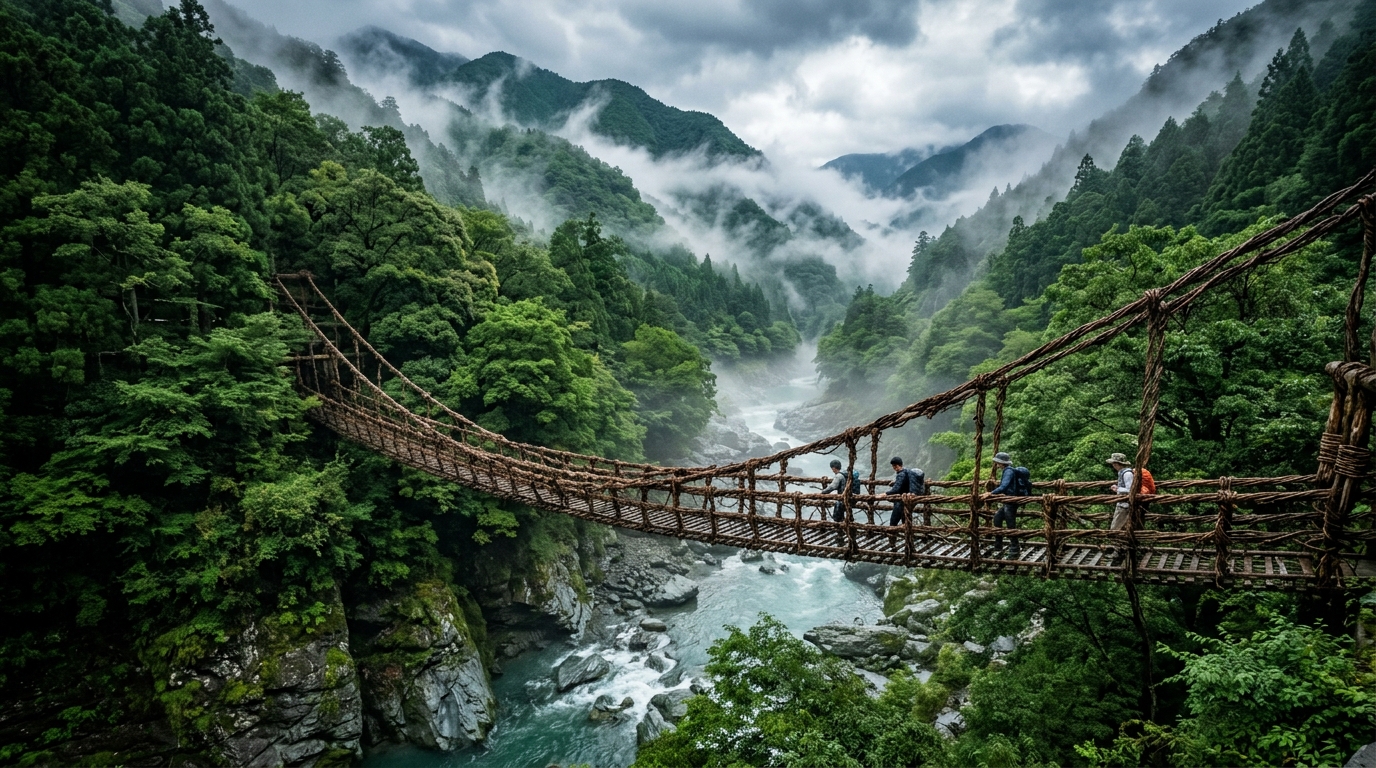
Counted among Japan's "Three Great Hidden Regions," the Iya Valley is another world deep in Shikoku's mountains. The vine bridges (kazura-bashi), woven from mountain vines, sway with every step for a thrilling experience. The emerald-green Iya River flowing below will leave you speechless with its transparency.
If you venture to the "Oku-Iya Double Vine Bridges," an even more remote wilderness experience awaits. Nearby, you'll find settlements with legends of Heike clan refugees, allowing you to touch the deep layers of Japanese history. Rafting is available in the Oboke-Koboke gorges, making this the ultimate destination for nature-loving travelers.
Tottori Sand Dunes & Uradome Coast (Tottori Prefecture)
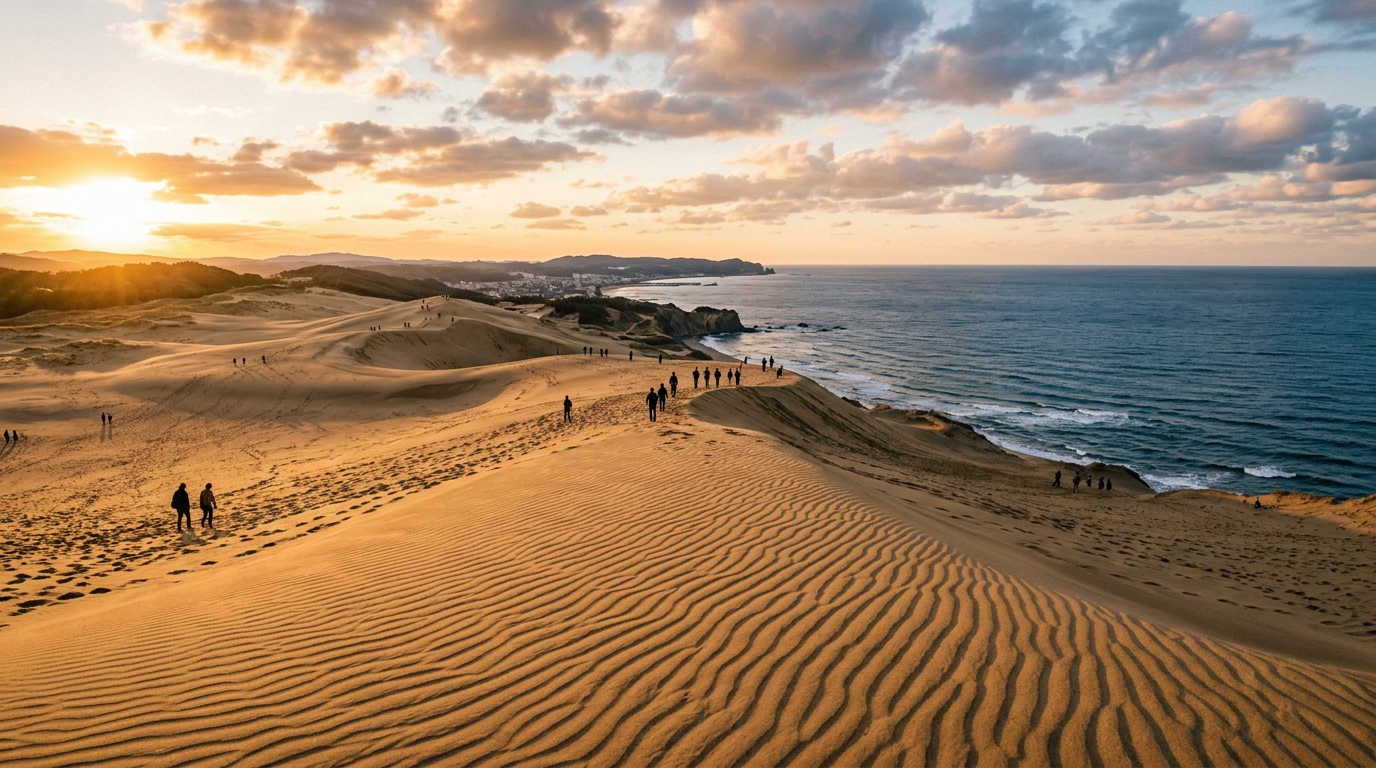
Surprised to hear that Japan has a desert? The Tottori Sand Dunes stretch 2.4km north-south and 16km east-west — Japan's largest sand dunes, where wind creates natural art in the form of wind ripples. The view of the Sea of Japan from the dune summit is a one-of-a-kind landscape found nowhere else in Japan.
Activities abound: paragliding, sandboarding, and camel riding. At the adjacent Uradome Coast, you can enjoy sea kayaking and snorkeling in waters with over 25m visibility. Calling it "Japan's Hawaii" would be an understatement.
Naoshima & Teshima (Kagawa Prefecture)
These art islands floating in the Seto Inland Sea feature Yayoi Kusama's yellow pumpkin, Tadao Ando's Chichu Art Museum, and Christian Boltanski's heart sound archive — spaces where contemporary art and nature merge completely, captivating art lovers worldwide. Even outside the triennial Setouchi International Art Festival, the permanent installations alone provide a full day's enjoyment.
Tohoku Region — Japan's Last Frontier of Original Landscapes
Matsushima & Matsue (Miyagi & Shimane Prefectures)
Matsushima, one of Japan's Three Most Scenic Views, features over 260 islands dotting Matsushima Bay. As you cruise through the bay, you can relive the emotion that inspired the poet Matsuo Basho's famous (attributed) verse about Matsushima's beauty. The magnificent halls of Zuigan-ji Temple are also a must-see.
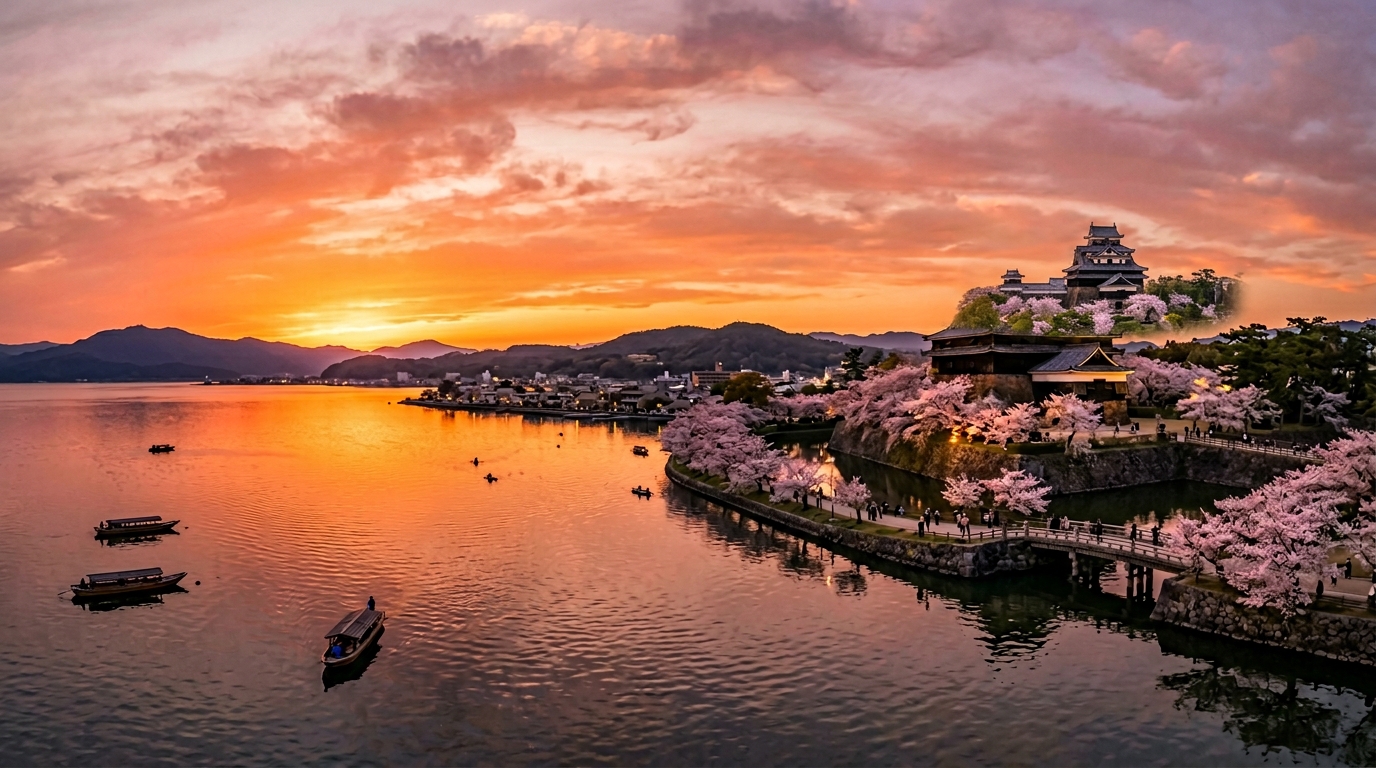
Meanwhile, Matsue in Shimane Prefecture is the "City of Water." Lake Shinji's sunset, selected among Japan's 100 best sunsets, offers breathtaking beauty as the lake surface transforms from orange to pink. Matsue Castle is one of only 12 original remaining castle keeps, designated as a National Treasure. A pleasure boat ride through the moat lets you feel the atmosphere of a 400-year-old castle town.
Aomori Nebuta Festival & Oirase Gorge (Aomori Prefecture)
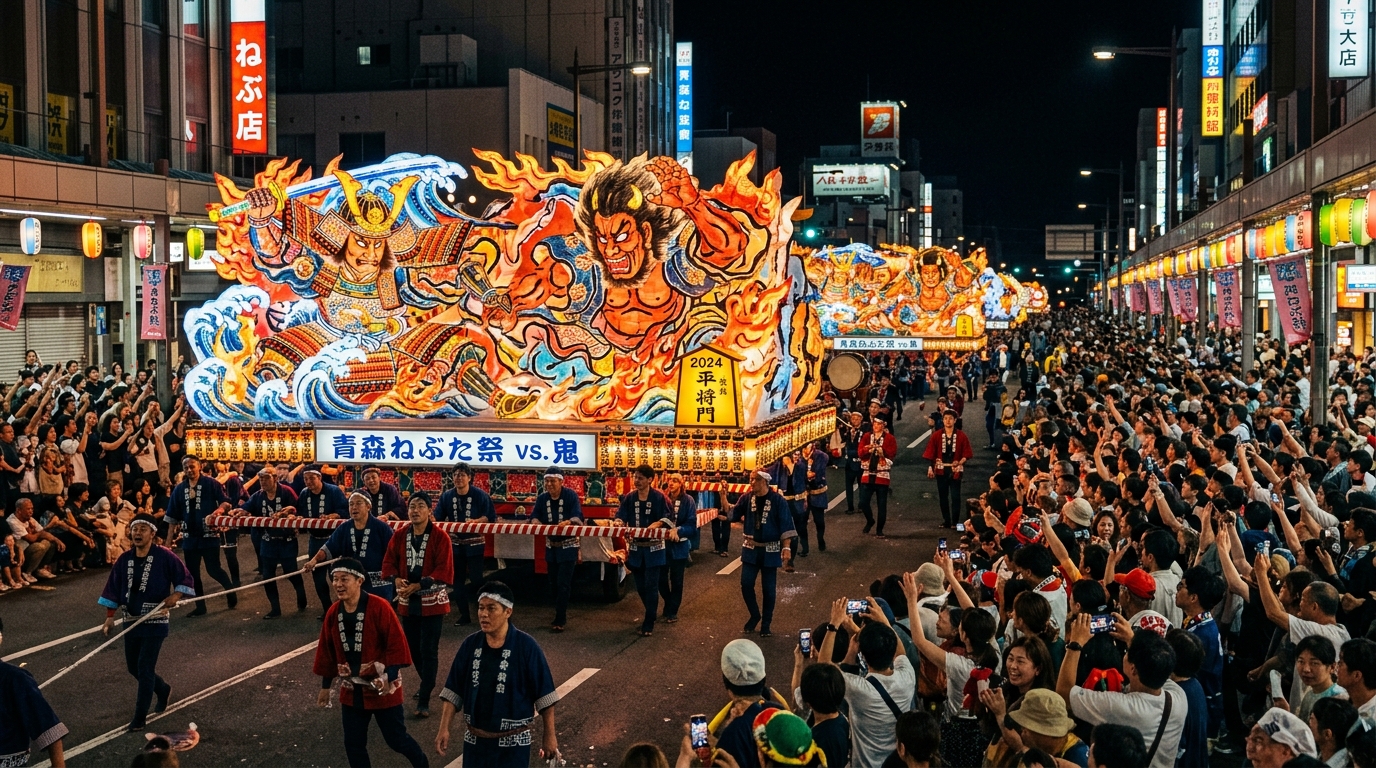
Held annually from August 2-7, the Aomori Nebuta Festival is one of Japan's most spectacular festivals. Enormous illuminated floats (nebuta) reaching 5m tall and 9m wide parade through the streets as dancers called haneto leap to cries of "Rassera!" — the energy simply cannot be conveyed through video. Tourists can rent costumes and participate as haneto themselves.
Oirase Gorge is a 14km stream flowing from Lake Towada. Moss-covered rocks, countless waterfalls, and sunlight filtering through primeval forest — it's as if you've wandered into a Studio Ghibli film. Late May's fresh greenery and October's autumn foliage are particularly recommended.
Kyushu Region — Land of Volcanoes and Hot Springs
Yakushima (Kagoshima Prefecture)
Home to the Jomon Cedar estimated at 7,200 years old, Yakushima is known worldwide as the inspiration for "Princess Mononoke." But the real charm extends far beyond the Jomon Cedar. The moss forests of Shiratani Unsuikyo are literally the "Forest of Mononoke." Nagata Inaka Beach where sea turtles lay eggs, the 88m Oko Waterfall, and diving and snorkeling around the island — all of Japan's natural wonders are condensed into one island.
Beppu & Yufuin Hot Springs (Oita Prefecture)
Beppu boasts Japan's highest volume of hot spring water and is known for its "Hell Tour" of seven unique hot springs. The cobalt blue of Umi-Jigoku (Sea Hell), the red waters of Chi-no-Ike Jigoku (Blood Pond Hell), the bubbling mud of Bozu Jigoku (Monk Hell) — each with different mineral compositions and colors, they let you feel the Earth's living breath. Yufuin is a hot spring resort in a basin overlooking Mount Yufu. The morning mist over Lake Kinrin is magical, and Yunotsubo Street is lined with unique cafes and shops.
Takachiho Gorge (Miyazaki Prefecture)
Takachiho Gorge, said to be the setting of Japanese mythology, was formed by erosion of pyroclastic flow from Mount Aso. Cliffs 80-100m high continue for 7km, and as you row a boat through the gorge, the magnificent Manai Waterfall cascades right before your eyes. Every evening, "Takachiho Kagura" sacred dances are performed, allowing you to witness the very mythology of Japan's creation brought to life.
Practical Advice — Making the Most of Hidden Gems
When visiting these places, transportation is key. For regional destinations, combine the JR Pass with local buses. Having a rental car increases your freedom significantly, but don't forget to obtain an International Driving Permit beforehand.
For accommodation, choose local ryokan or minshuku over city hotels. Local cuisine, hot springs, and interaction with the okami (innkeeper) — this is the best way to experience "the real Japan."
The best season varies by destination, but generally spring (late March to May) and autumn (October to November) offer pleasant weather nationwide. Summer brings Tohoku festivals, winter offers Hokuriku snow scenes — each season has unique charms to combine with your itinerary.
Finally, while these places are "hidden gems," their fame grows annually thanks to social media. 2026 may be your last chance to enjoy them as true hidden spots. Step away from the standard route and discover your own Japan.