

In 2025, Tokyo police received a record ¥4.5 billion in lost cash. Over 65% of lost wallets are returned — often the same day. Here's why Japan's honesty economy is unlike anywhere else on Earth.
Read this article to earn +5 MTC
In the fall of 2025, a tourist from San Francisco left her handbag on the bullet train somewhere between Tokyo and Kyoto. Her passport, ¥80,000 in cash, credit cards, and a laptop were inside. By the time she realized, the train had long departed. She resigned herself to losing everything.
Six hours later, station staff called her hotel. Everything was there. Nothing was missing.
Stories like this aren't rare in Japan. They're statistical.

The ¥4.5 Billion Return
In 2025, finders in Tokyo handed a record ¥4.5 billion in lost cash to police — roughly $30 million USD at current rates. That number represents what regular people picked up and carried to the nearest koban (neighborhood police box), not what police recovered themselves.
Of that cash, ¥3.23 billion was returned directly to the original owners. Another ¥590 million was given to the finders themselves — because Japanese law rewards honesty, not just punishes theft.
Wallets and purses alone accounted for 338,104 reported finds in Tokyo last year. About 65% of lost wallets were returned to their owners — often on the same day. When you include all lost items, the recovery rate jumps past 80%.
For context: in most major cities worldwide, lost wallet return rates hover around 20–30%. Helsinki, Finland consistently ranks highest outside Japan at about 50%. Tokyo isn't just ahead — it's playing a different game.
Why? It's Not Because Japanese People Are "Nicer"
Westerners often assume Japan's honesty comes from inherent politeness. That's a myth. The real answer is structural.
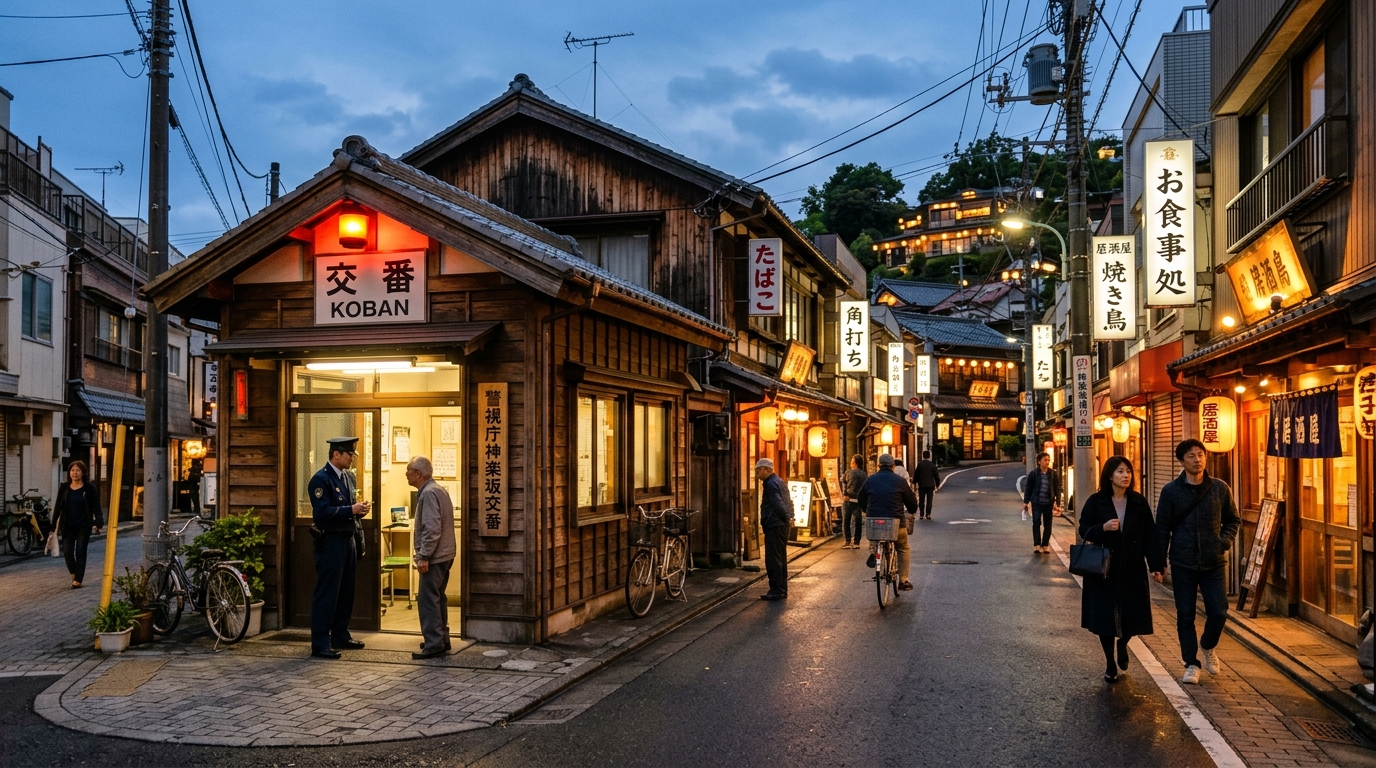
First, there's the koban system. Japan has around 6,200 neighborhood police boxes, most within a five-minute walk of anywhere in a city. Dropping off a found item requires no effort and no explanation — you just walk in, hand it over, sign your name, and leave. Compare that to countries where "reporting" a found wallet means a 40-minute bureaucratic ordeal at a central precinct.
Second, there's the concept of haji (恥) — shame. In Japanese social psychology, shame is not just personal; it's collective. Taking something that isn't yours doesn't just make you look bad — it reflects on your family, your company, your town. The cost of being discovered far exceeds the value of any wallet.
Third, there's the assumption of being seen. Japan is one of the most densely surveilled societies in the world — not by cameras, but by neighbors. Dense urban living, small shops with attentive owners, and a culture of "knowing your area" mean stealing something in public is rarely anonymous.
The Lost-and-Found Infrastructure
If you lose something in Japan, here's what typically happens.
On a train, staff systematically check each car at the terminus and log items into a nationwide database. JR East alone processes over 2 million lost items per year.
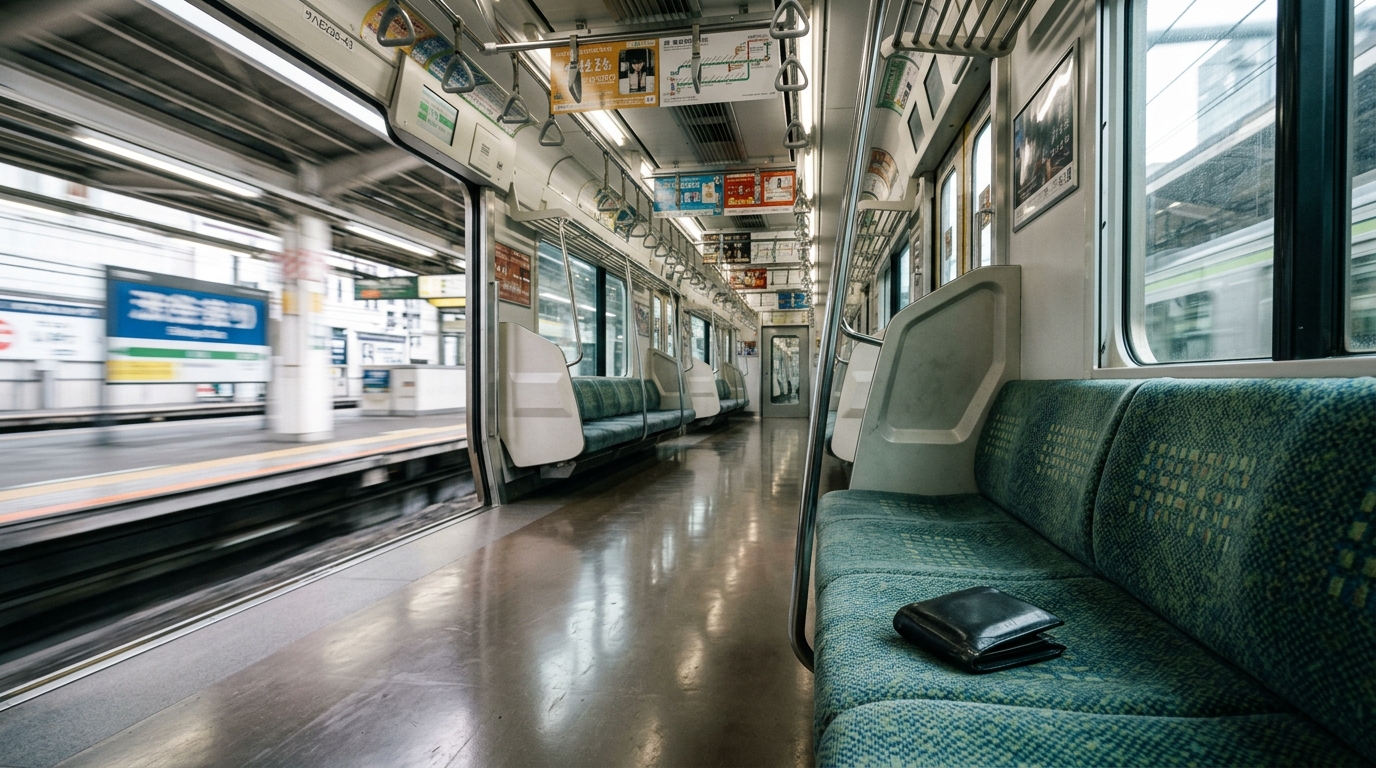
In a restaurant or shop, items are usually held behind the counter for weeks, sometimes months, waiting. Staff don't expect a reward, and if you offer one, they'll politely refuse.
On the street, a passerby will typically pick up a dropped wallet and walk it to the nearest koban. Some will stand there holding it, waiting, hoping the owner retraces their steps.
This infrastructure isn't accidental. It's the product of over a century of deliberate civic design — starting with the koban system itself, introduced in 1874 as a way to embed police into neighborhoods rather than concentrate them in precincts.
The Schoolchildren Test
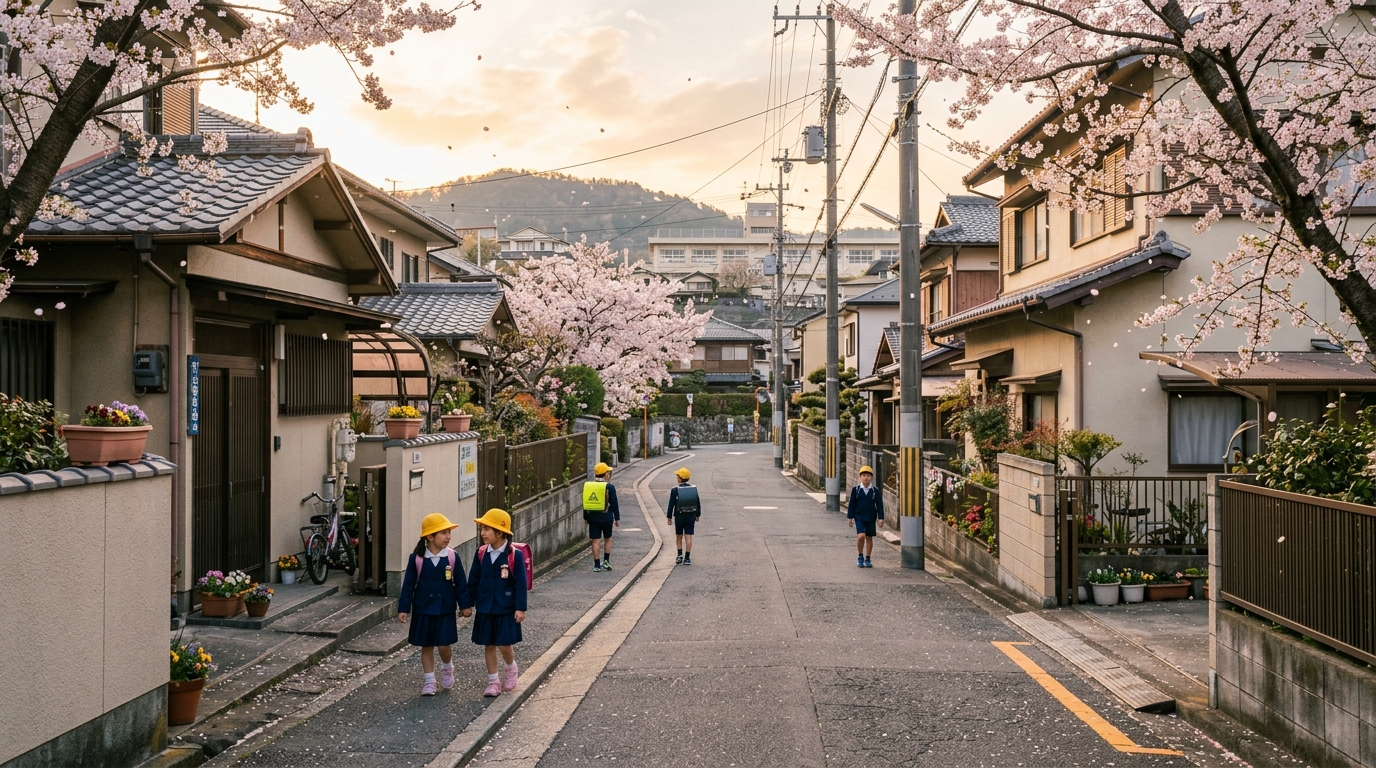
The clearest demonstration of Japan's trust culture isn't the wallet stat — it's the six-year-olds.
In Japan, first-graders ride trains and walk to school alone, often wearing bright yellow hats so drivers recognize them. A Netflix series called Old Enough! followed Japanese toddlers as young as two going on solo errands. International viewers were stunned. Japanese viewers shrugged — it's normal.
The logic is the same as the wallet logic. When an entire society quietly watches out for each other, the burden of safety isn't on any individual — it's distributed. A lost child, like a lost wallet, is someone's problem collectively.
What This Means for You as a Traveler
If you lose something in Japan, don't panic. Go to the station office, the police box, or the shop where you last remember having it. Provide a description, time, and contact info. In most cases, you'll get a call within 24 hours.
More importantly, notice what this says about the country you're visiting. Japan's honesty economy isn't about people being naturally better — it's about a society that made an active choice, generation after generation, to reward trust and make dishonesty costly.
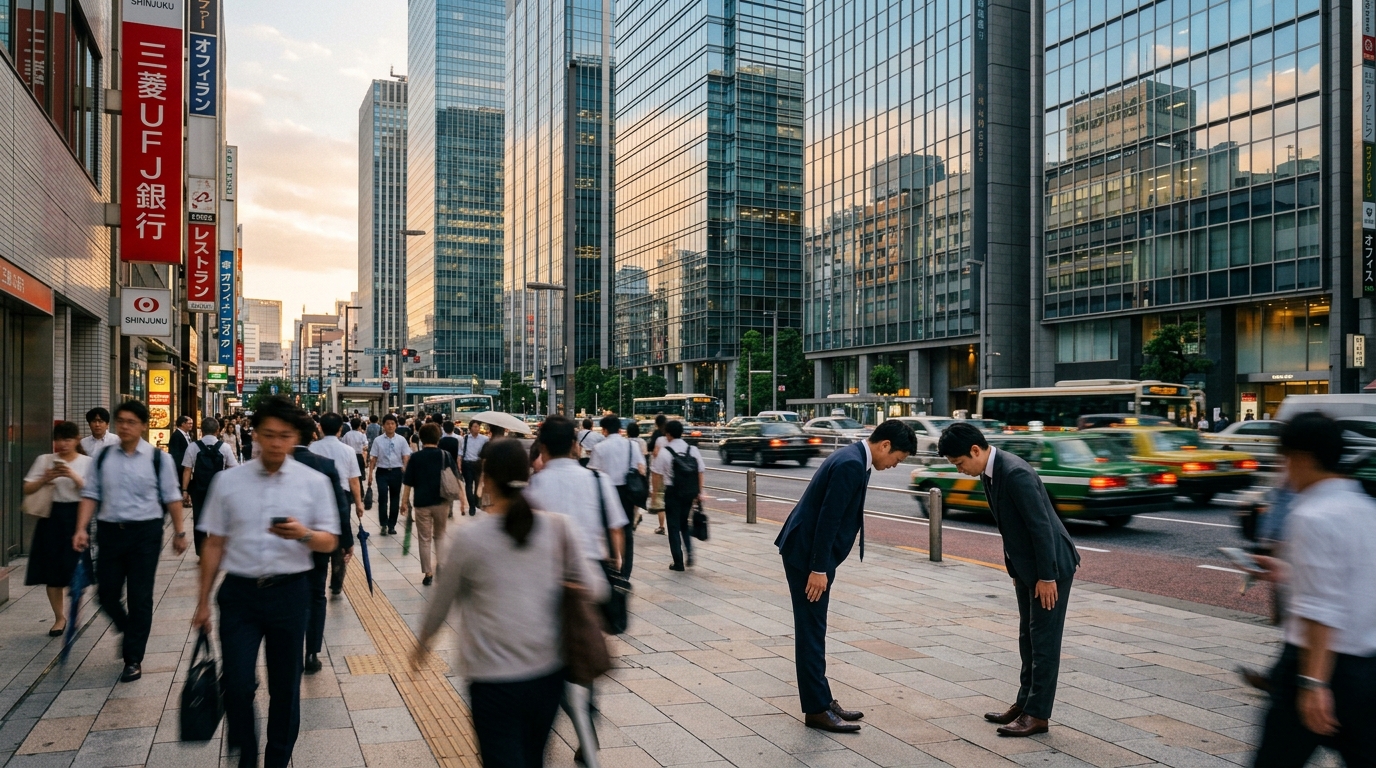
When you drop your train pass on a Tokyo platform and someone runs after you to return it, you're not witnessing politeness. You're witnessing the physical manifestation of 150 years of civic design.
That's not normal. That's extraordinary.
And yet, in Japan, it's just Tuesday.