
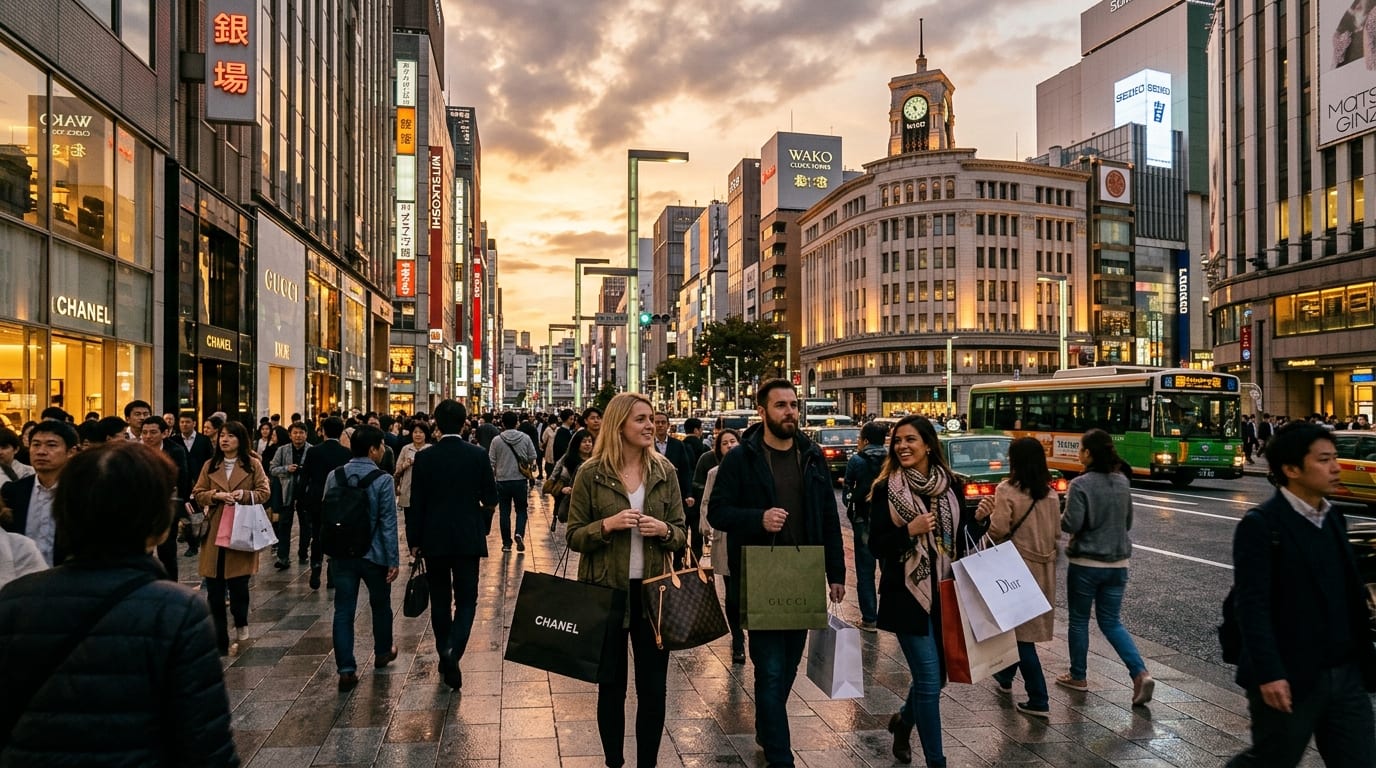
2025 JNTO data: inbound spending hit record ¥8.1 trillion. "Omotenashi" only ranks 12th in why people return. The real 5 keys and 4 winning strategies.
Read this article to earn +5 MTC
Japan's ¥8 Trillion Inbound Boom — What Really Opens Tourists' Wallets (Hint: It's Not "Omotenashi")
The Shock: 2025 Inbound Spending Hit ¥8.1 Trillion — All-Time High
JNTO's latest data shows 2025 inbound foreign spending hit ¥8.1 trillion — 1.7x pre-COVID 2019. As a Japanese export industry, it's now ranked #3 after semiconductors and auto parts.
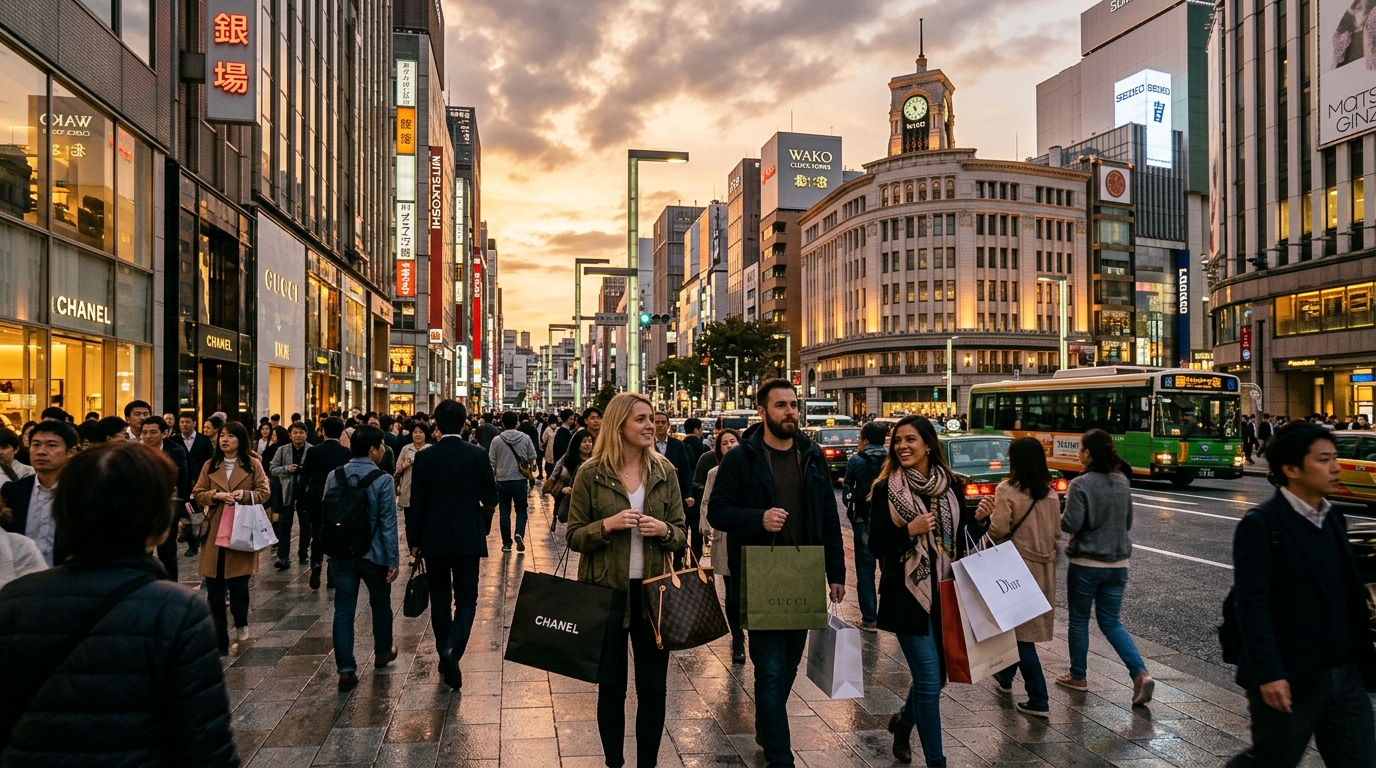
Visitor count: 34 million — record high. Japan Tourism Agency targets ¥15 trillion by 2030.
Drop the "Omotenashi" Illusion
The biggest misconception Japanese have about inbound: "omotenashi (hospitality) is what attracts tourists."
2025 visitor survey (DBJ) — top 5 reasons repeat visitors choose Japan:
- Food quality & variety (78%)
- Cleanliness & safety (71%)
- Public transit punctuality (65%)
- Yen-weak cost performance (61%)
- Nature & seasonal variation (54%)
"Omotenashi (service)" ranked 12th (19%). Not actually important.
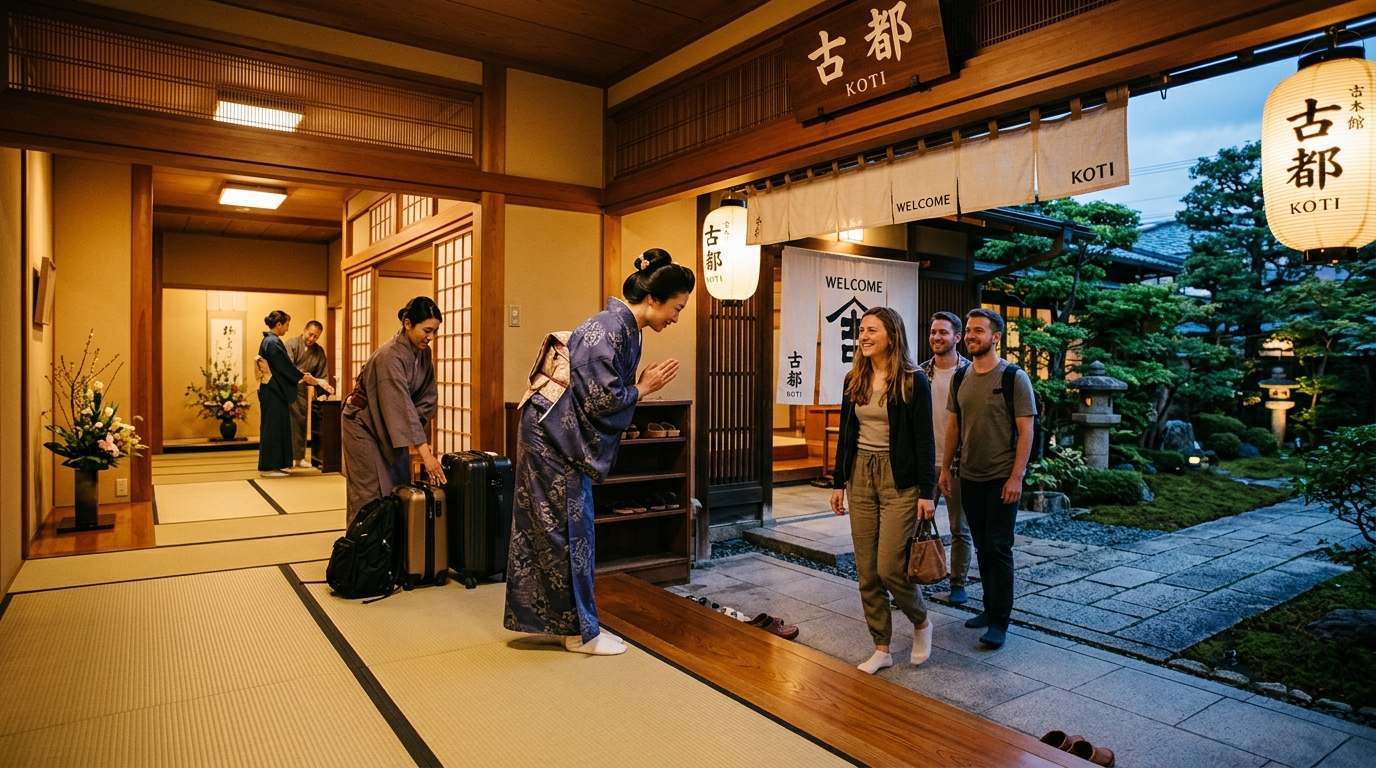
5 Real Keys to Tourists' Wallets
1. Experience > Things
2019: "Bulk-buying" dominated consumption 2025: "Experience consumption" expanded to 62%
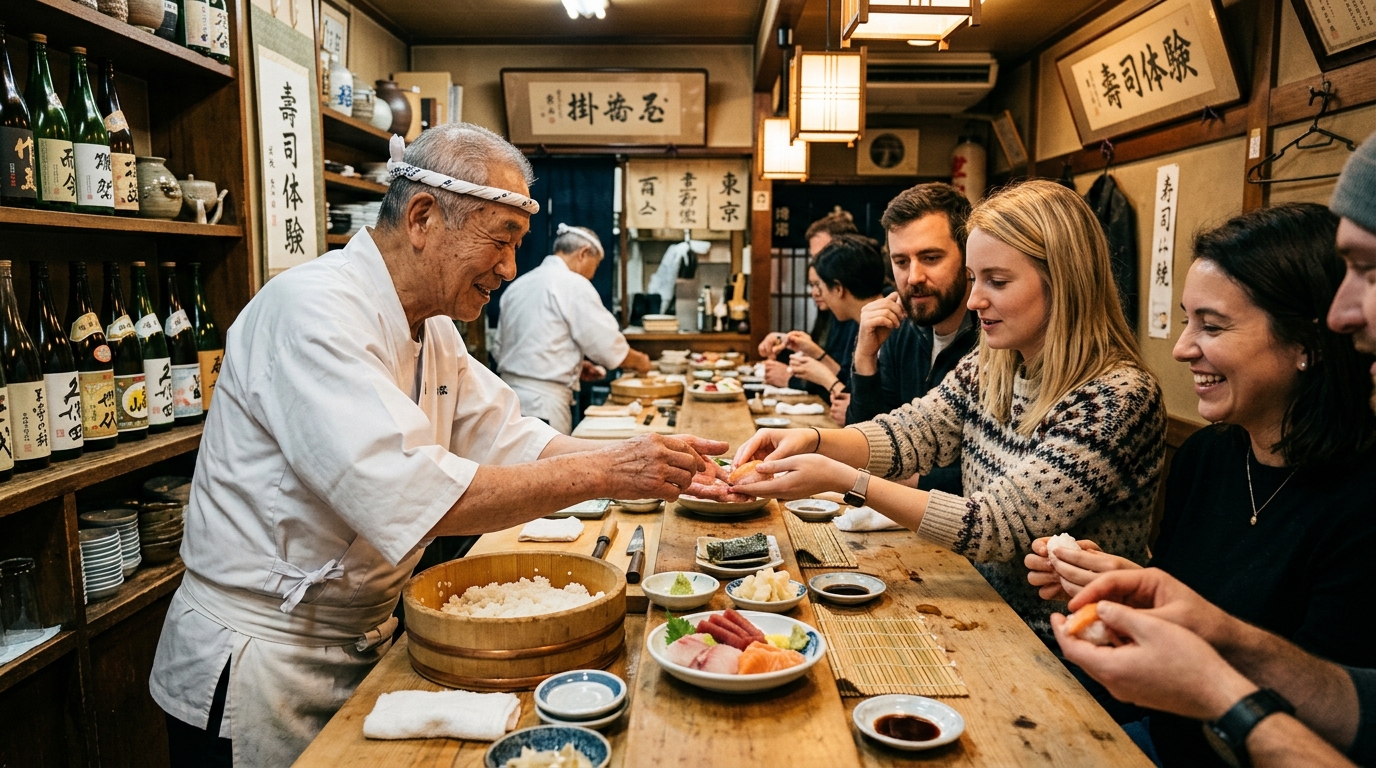
Sushi-making classes, calligraphy, martial arts, onsen, zen — content people will pay to experience.
2. "Only-in-Japan" Is Required
Anime-related experiences: avg ¥32,000 per person Traditional craft experiences: avg ¥28,000 per person Nature activities: avg ¥41,000 per person
Generic "shopping mall," "theme park," "city tour" — found anywhere globally — have low spending.
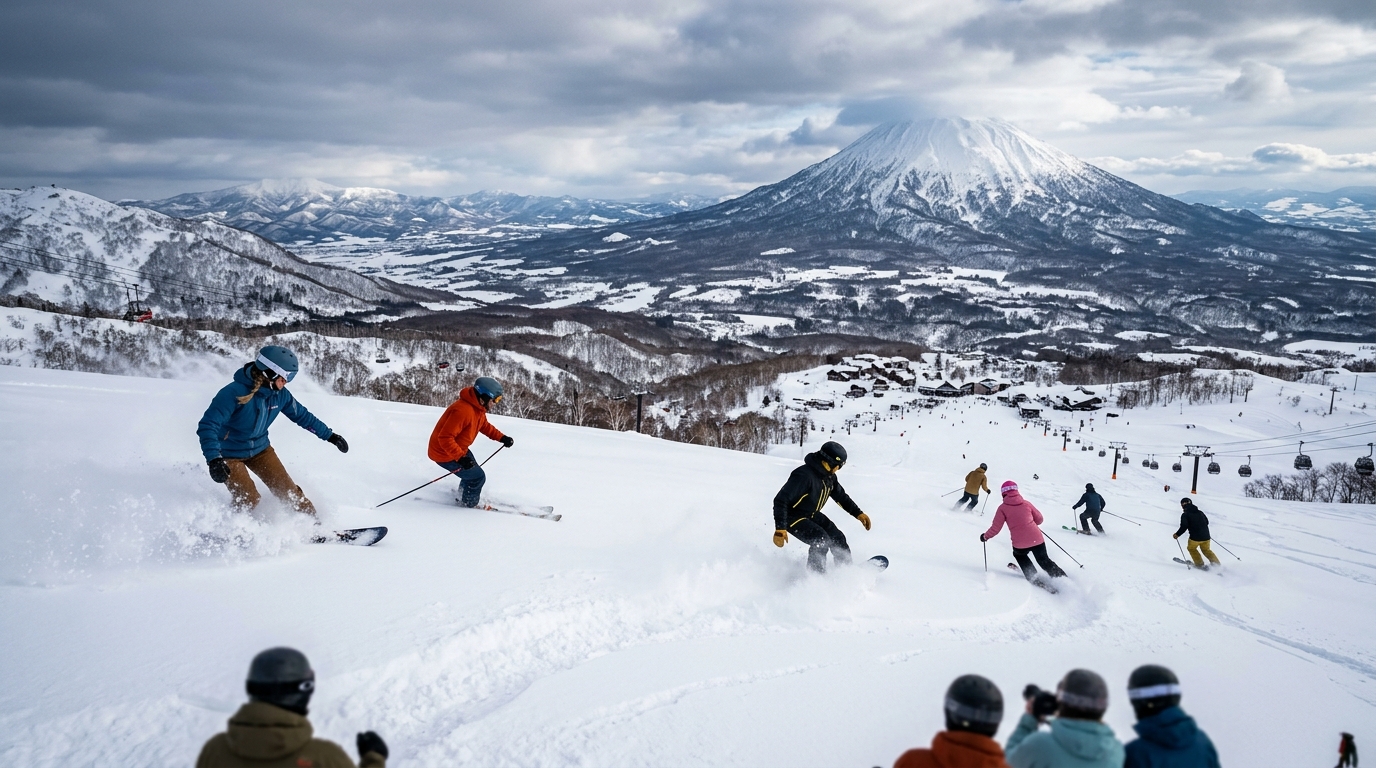
3. Rural > Urban
Repeat visitors going beyond Tokyo/Kyoto/Osaka spend 2.3x more than first-timers.
Why: rural areas mean less crowding, real experiences, better food. Niseko, Noto, Setouchi, Kyushu are new winners.
4. High-Value × Small-Group Strategy
Luxury travelers spend ¥650,000 per person average. Group tour visitors: ¥130,000.
5x difference. Focus on high-value small numbers > mass low-margin.
5. Repeat Visitor Strategy
First-timers: 25% share Repeat visitors (4+): 45% share
Repeaters spend more, go to rural areas. "Quality of repeaters > quantity of first-timers" is the new keyword.
4 Strategies to Win Japan's Inbound Market
Strategy 1: Create "Only Here" Experiences
Region-specific — something only that place, that season, that culture can offer. "Japanese cooking class" in Kyoto kaiseki vs. Hokkaido ikura-making are entirely different value.
Strategy 2: Minimize Language Barrier
Whether tourists become repeaters depends on the "experience when language fails." Translation app + simple English menu + photo menu solves 90%.
Strategy 3: Raise Your Prices
Japanese services are absurdly cheap. Setting prices at international levels still works for foreign visitors. Discounting loses both profit and reputation.
Strategy 4: Direct Bookings > OTAs
Skip OTA fees (15-25%) like Booking.com, Expedia. Companies with own multilingual sites for direct booking have 3x profit margins.
Closing — Tourism Is the "Next Semiconductor"
A ¥15 trillion market sits in front of us — comparable in scale to the semiconductor industry.
Saves rural economies, creates jobs, spreads Japanese culture globally, earns foreign currency — all in one industry.
Beyond "omotenashi," strategic inbound engagement defines the next 10 years for Japanese businesses, regions, and individuals.