"Japan didn't apologize" is a misconception. 6 PM apologies in 50 years, Constitution Article 9, atomic bomb memory complexity — the real story Western media doesn't tell.
Read this article to earn +5 MTC
The Real Reason Japan Doesn't Talk About Its Past — A Story More Complex Than the West Knows
A Misunderstood Silence
Western media often criticizes Japan for "not properly acknowledging" its WWII history — particularly compared to Germany.
It's true that Japan handles its past differently. But the story Western critics tell is incomplete. Japan has a relationship with history that's more complex, more painful, and more nuanced than the simplification "they don't talk about it".
This article explains what's actually happening.
What Japan Actually Did After WWII
Despite popular belief, Japan has issued numerous formal apologies for WWII actions:
- 1972: Prime Minister Tanaka apologized to China for "great trouble caused"
- 1995: Prime Minister Murayama issued landmark apology for "colonial rule and aggression"
- 2005: Prime Minister Koizumi reaffirmed apology
- 2010: Prime Minister Naoto Kan apologized to Korea
- 2015: Comfort Women agreement with South Korea (¥1 billion fund)
That's six formal Prime Ministerial apologies over 50 years. Most countries don't make six apologies for past wars.
So what's the perception gap? Several factors.
Why Western Media Says "Japan Doesn't Apologize"
1. Different Forms of Apology
Japanese culture has many words for "sorry," each with different meaning:
- Sumimasen: light "excuse me" / "thank you" hybrid
- Gomennasai: casual sorry
- Mōshiwake gozaimasen: "I have no excuse" (formal)
- Owabi: deep apology
- Hansei: reflection / regret without explicit apology
When Japanese leaders use "hansei" (reflection), Western media translates it as just "regret" — which sounds insufficient. But in Japanese, "hansei" is a deep moral practice.
2. Yasukuni Shrine Visits
When Japanese politicians visit Yasukuni Shrine — which honors all war dead, including 14 convicted Class-A war criminals — it sparks international outrage.
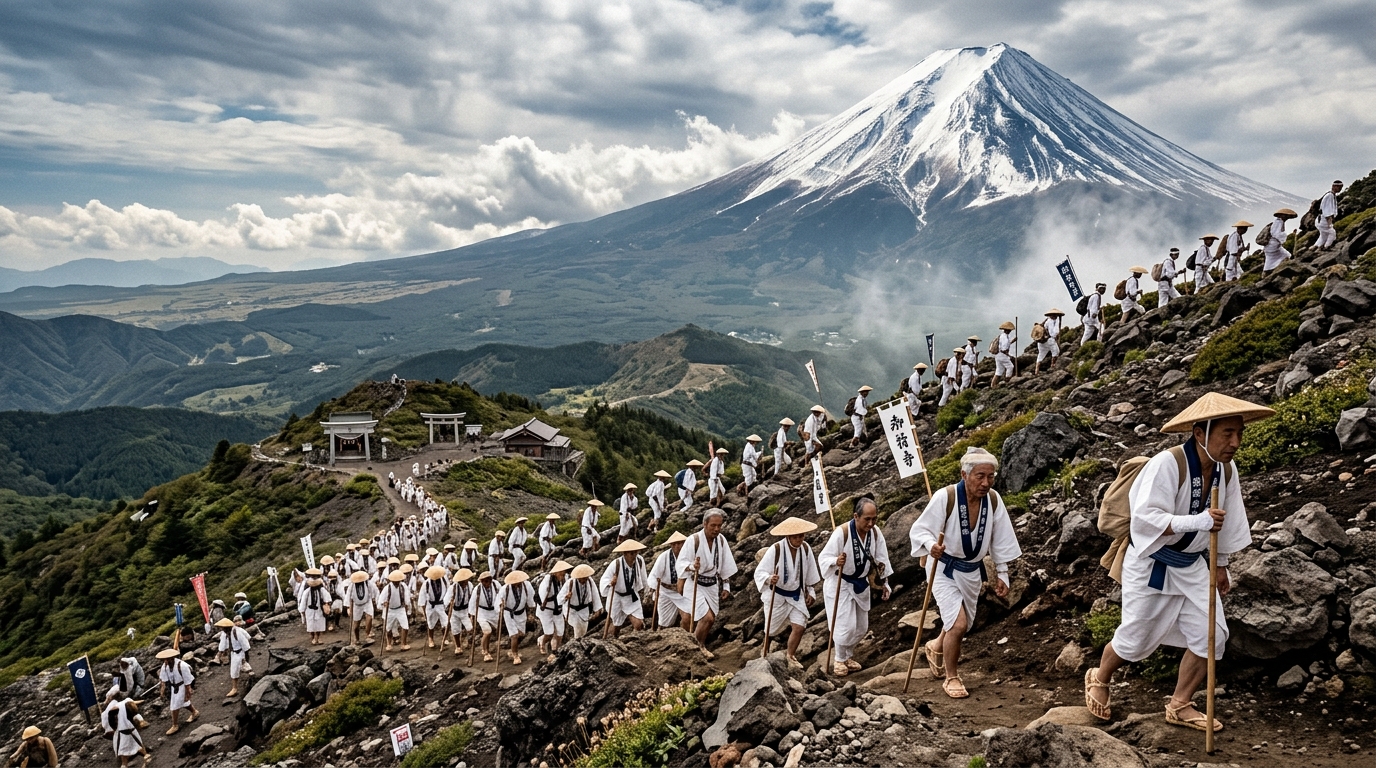
For many Japanese, visiting honors all those who died. For Korea/China, it appears to honor war criminals. The shrine itself is the controversy, not the visit.
3. Textbook Disputes
Japanese history textbooks have varied widely on how to describe colonial atrocities. The most controversial ones (a small minority) are downplayed, but they get international attention.
In reality: most Japanese students learn substantial WWII history. Many visit Hiroshima, Nagasaki, and Okinawa as required school trips. The narrative is more complete than outsiders assume.
The German Comparison That Misleads
The standard comparison: "Germany apologized properly. Japan didn't."
This is misleading for 4 reasons:
1. Germany Had a Different Internal Politics
After WWII, Germany was occupied by Allies, then divided (East/West). The Nazi party was definitively defeated. There was no question of "who was guilty" — the regime had clearly committed crimes.
In Japan, the Emperor was kept in place. There was no full purge. The line between "victims" and "perpetrators" was blurred.
2. The Atomic Bomb Reframed Japanese Memory
When the US dropped atomic bombs on Hiroshima (200,000 dead) and Nagasaki (80,000 dead), Japanese memory of the war became deeply intertwined with Japan as also a victim.
This isn't denial — it's a different reality. Many Japanese feel: "We did terrible things. We also had terrible things done to us. Both are true."
3. Anti-Communism Made the US Protect Japan
Cold War politics meant the US needed Japan as an ally against Soviet/Chinese communism. Many Japanese officials with wartime ties were rehabilitated. The US helped Japan move on quickly to make it a strong Cold War partner. This contrasts with Germany's prolonged accountability.
4. East Asian Geopolitics
Korea and China have political incentives to keep historical grievances active. Some apologies that would resolve issues elsewhere don't resolve them in East Asia because they're tied to current political tensions.
What Japanese People Actually Think
If you talk to ordinary Japanese (not politicians), you'll find a complex mixture:
Most agree:
- Japan did terrible things in WWII
- Civilians in Korea, China, SE Asia suffered enormously
- It was wrong, and apologies are warranted
Many add:
- We've apologized many times — Western media doesn't acknowledge it
- The atomic bombings were also terrible
- Reconciliation requires both sides to move forward
- Constant rehashing prevents healing
Some (controversial minority) believe:
- Our soldiers fought bravely for the country
- Some war crime claims are exaggerated
- Korean colonization had positive aspects (modernization)
This last category exists, like in any country with a contested past, but is far from majority view.
How Postwar Japan Actually Processed the War
The path Japan took was different but profound:
1. The Constitution Renounces War Forever
Article 9 of Japan's 1947 constitution forever renounces war as a sovereign right. Japan has not waged war for 80 years. No other major country has gone 80 years without war. This is itself a form of accountability.
2. Massive Anti-War Sentiment
Japanese public opinion is among the most anti-war in the world. Polls consistently show 70-80%+ Japanese oppose any military action. The country has chosen pacifism as its identity.
3. Hiroshima and Nagasaki Memorials
These memorials don't just commemorate the bombings — they commit to never let nuclear weapons be used again. Japanese mayors have led global anti-nuclear movements for 80 years.
4. Generous Foreign Aid
Postwar Japan became one of the world's largest aid donors, particularly in Asia. Indirectly, this represents a form of restitution and reconciliation.
5. Cultural Diplomacy
Anime, manga, food, technology — Japan has rebuilt its global image through cultural soft power. Many Asians who'd never forgive Japan for war crimes now love Japanese culture.
The Honest Assessment
The truth, as I see it after living in Japan and studying this:
Japan should:
- Be more proactive about textbook accuracy
- Stop government officials from visiting Yasukuni
- Acknowledge specific atrocities more clearly (Nanjing, Comfort Women)
- Engage Korean and Chinese counterparts directly
The West should:
- Recognize the multiple apologies that have been issued
- Understand atomic bombings shaped Japanese memory
- Stop the simplified "Japan vs. Germany" comparison
- Acknowledge Cold War context that protected Japan
Korea and China should:
- Decouple historical grievances from current political tensions
- Recognize concrete restitutions (aid, agreements)
- Allow space for reconciliation
This is the messier truth. Not "Japan refuses to apologize." Not "Japan has fully made amends." Something in between, that requires nuance to understand.

What This Means for You as a Visitor
If you visit Japan or interact with Japanese people:
1. Don't avoid the topic
Japanese can discuss WWII openly. They're not fragile about it. Just be respectful.
2. Visit Hiroshima
The Peace Memorial Museum is one of the most powerful sites on Earth. It teaches the story of victimhood without denying perpetration.
3. Read multiple sources
Don't just trust Western media's simplification. Read Japanese historians too.
4. Hold complexity
Both/and thinking is required: Japan committed terrible acts AND was bombed terribly AND has apologized AND should do more AND etc.
The Bigger Lesson
Every nation has a complicated past. The US has slavery. Britain has colonialism. France has Algeria. Russia has the gulag.
How nations process history is itself history.
Japan's path — apology + pacifism + cultural rebuilding + sometimes uncomfortable silence — isn't perfect. But it's not the simple "denial" Western media often portrays.
In 2026, 80 years after WWII, the questions remain: How does a nation truly atone? When can wounds heal? Can old enemies become friends?
Japan's answer is complex, ongoing, and worth understanding — far beyond the headlines.