
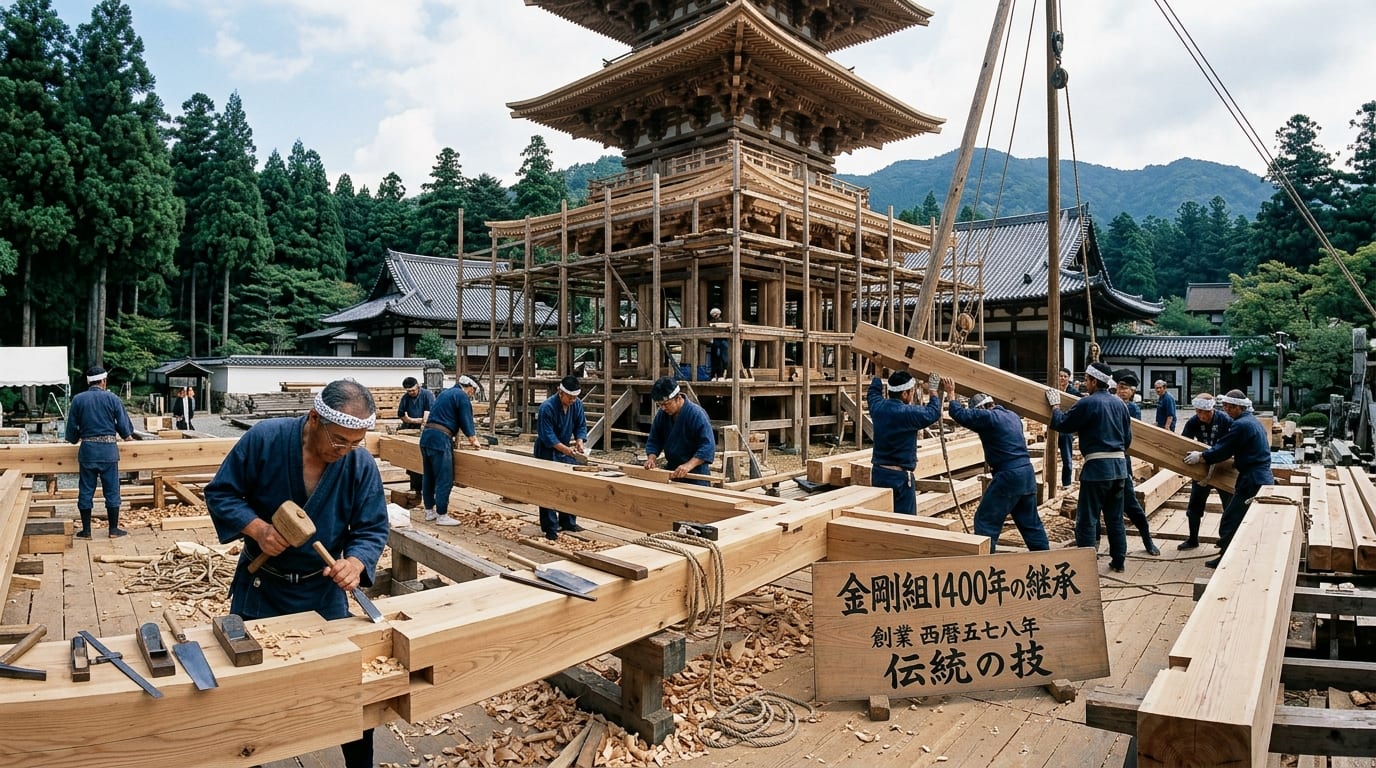
41% of world's 100-year companies and 65% of 200-year companies are Japanese. Kongo Gumi (founded 578 AD)'s 4 secrets of 1447-year survival and 5 lessons for modern firms.
Read this article to earn +5 MTC
Japan Has 41% of the World's 100-Year Companies — Secrets of Eternal Business from 1400-Year-Old Kongo Gumi
The Shock: Over 40% of Century-Old Companies Are Japanese
Of the world's roughly 74,000 companies older than 100 years, about 33,000 are Japanese — 41.3% of the world total.
Of 1,322 companies older than 200 years, 65% are Japanese. Of 60 companies older than 500 years, 39 are Japanese.
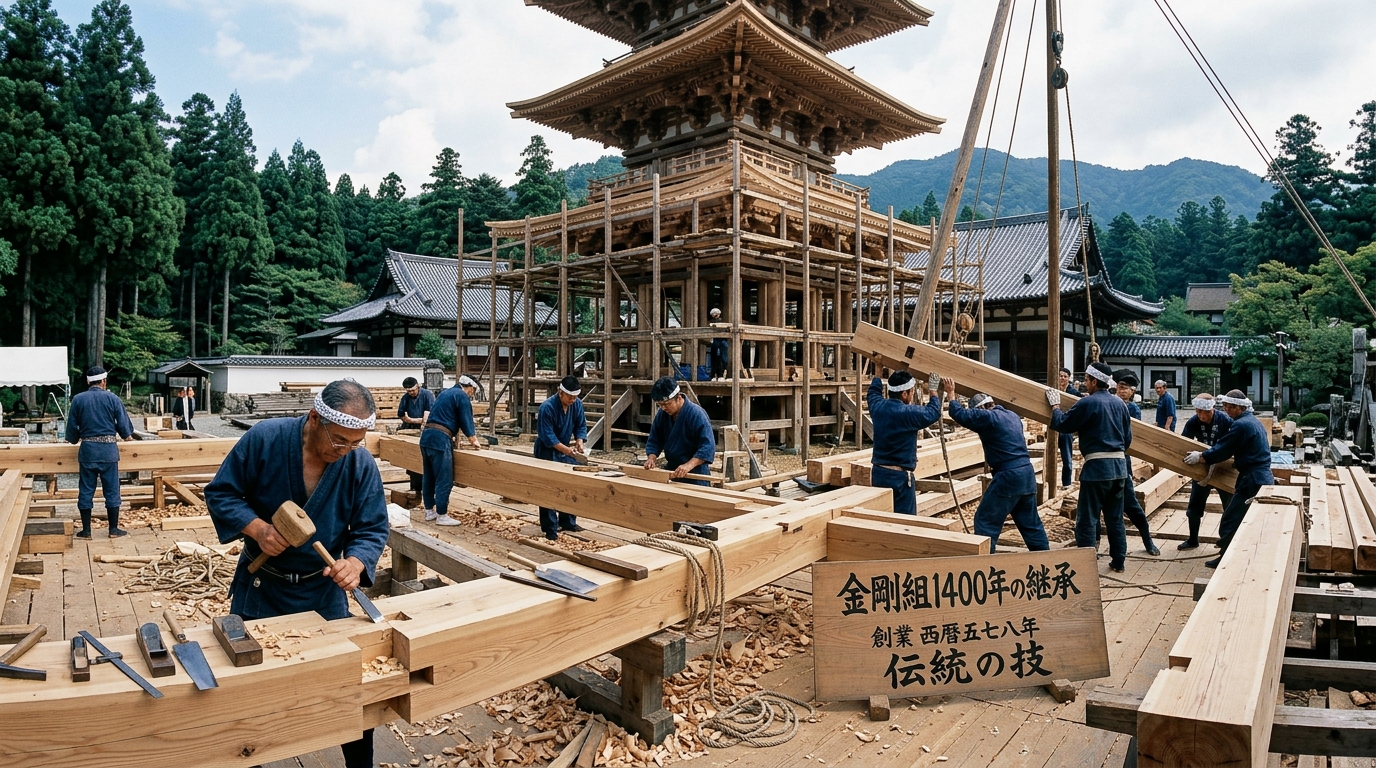
The pinnacle: Kongo Gumi. Founded 578 AD by Korean carpenters invited by Prince Shotoku to build Buddhist temples. 1,447 consecutive years of operation — the world's oldest continuously operating company.
Why Japan Has So Many "Eternal Companies" — 5 Structural Reasons
1. The Concept of "Family Business"
In Japan, a company is not "personal property" but "family heritage." A responsibility entrusted by ancestors to pass to descendants. Long-term continuity prioritized over short-term profit.
2. "Right-Sized" Management
"Manage to your true size." Don't go into debt for rapid expansion; focus on core business; persist steadily. Even in the bubble era, shinise (long-established companies) avoided speculation and persisted with the basics.
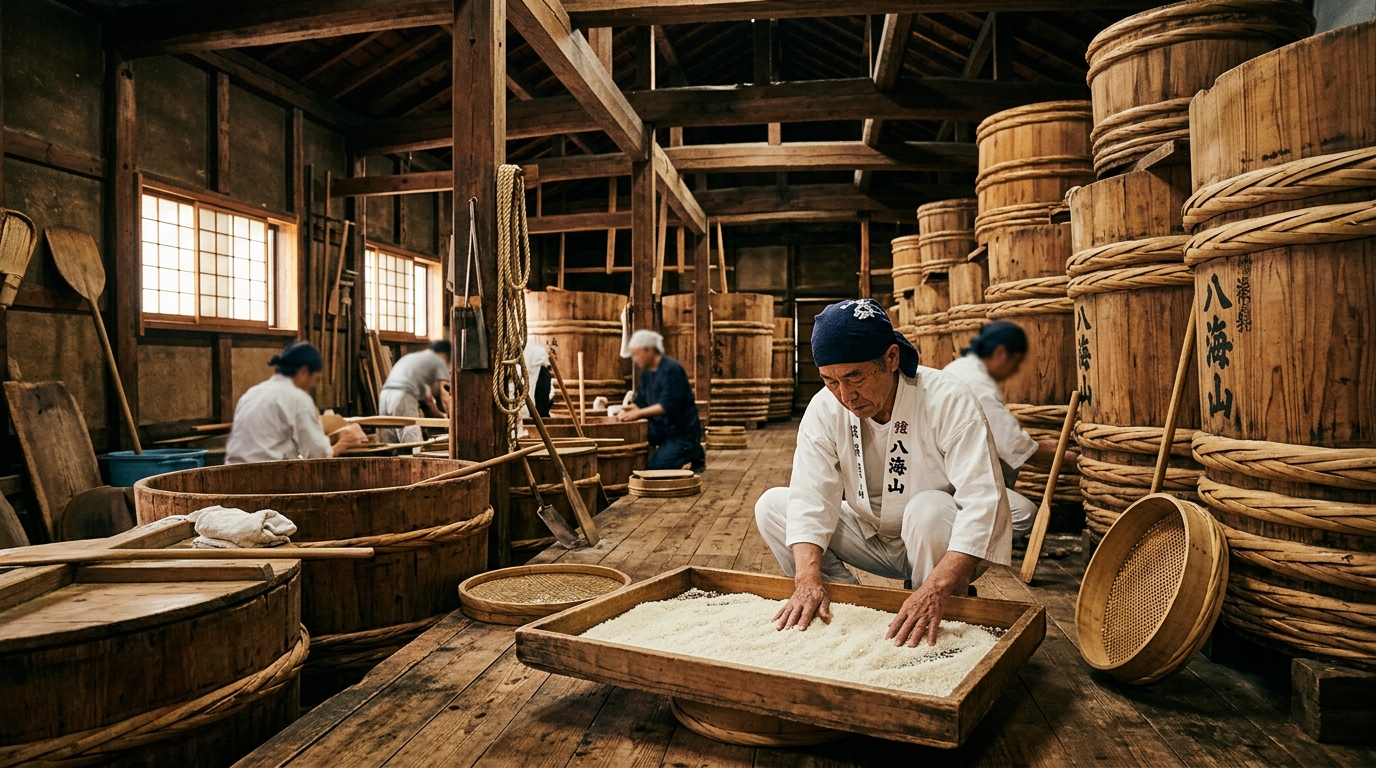
3. Spirit of Protecting "Noren"
Noren (brand) = trust accumulated over generations. Lose it once, and it's irrecoverable. So reputation > profit. Long-term trust > short-term gains.
4. Adoptive Succession
If the actual son lacks management capability, talented apprentices or senior managers are "adopted" to succeed. Capability > bloodline. One of the secrets to centuries of family business survival.
5. Sanpo Yoshi (Three-Way Good)
"Good for seller, good for buyer, good for society." A 400-year-old Omi merchant philosophy. Builds harmony beyond zero-sum competition. The original ESG management philosophy.
Kongo Gumi's 4 Secrets of 1400-Year Continuity
Secret 1: Brilliant Distinction Between "Don't Change" and "Change"
What Kongo Gumi didn't change for 1400 years: Buddhist architecture techniques, apprentice system, the spirit of "serving customers."
What it changed: tools (manual to electric), drawings (hand to CAD), financial management. Methods change; essence doesn't.
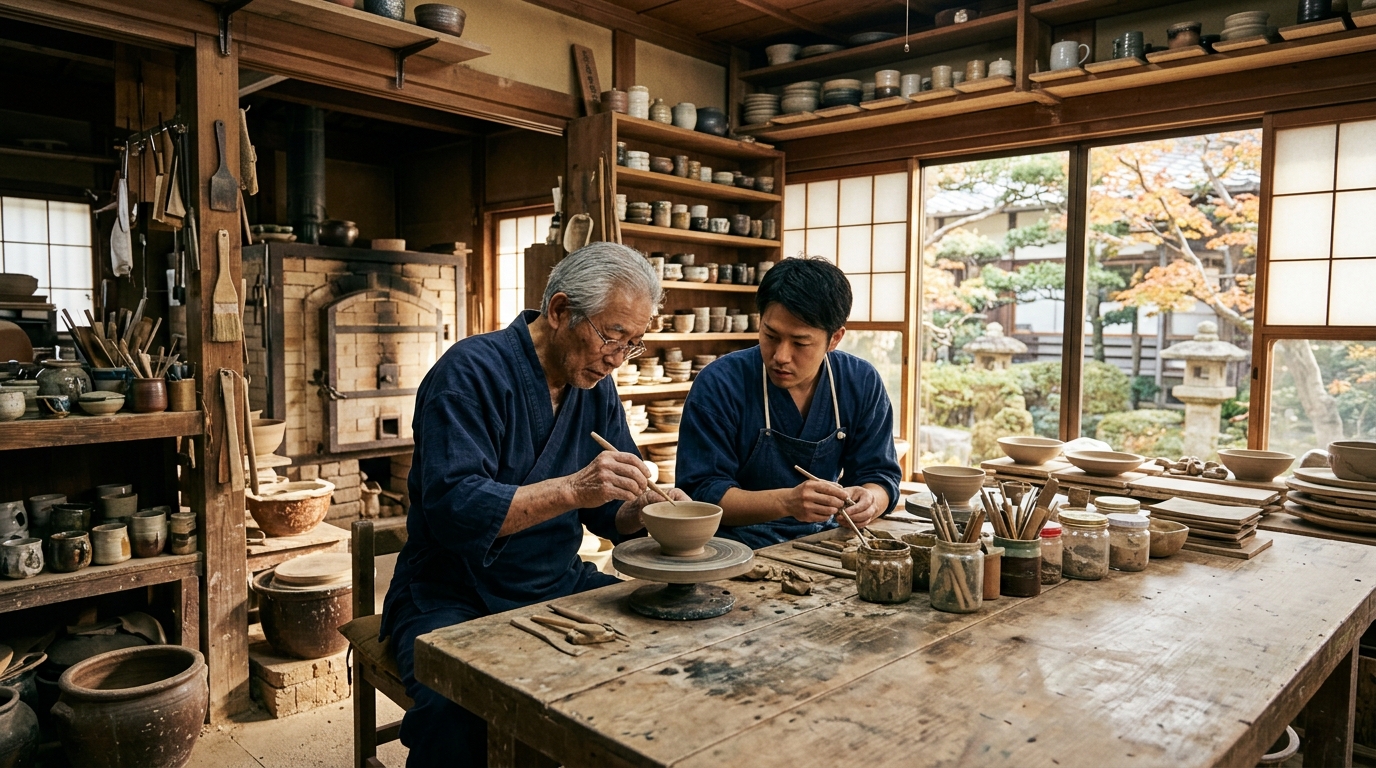
Secret 2: Returns to "Original Intent" at Every Crisis
In 1400 years of history, dozens of near-collapses. Meiji-era anti-Buddhist movement, Showa depression, modern bubble burst. Each time, asked "what do we exist for?" and returned to core business.
Secret 3: "Industry Mindset"
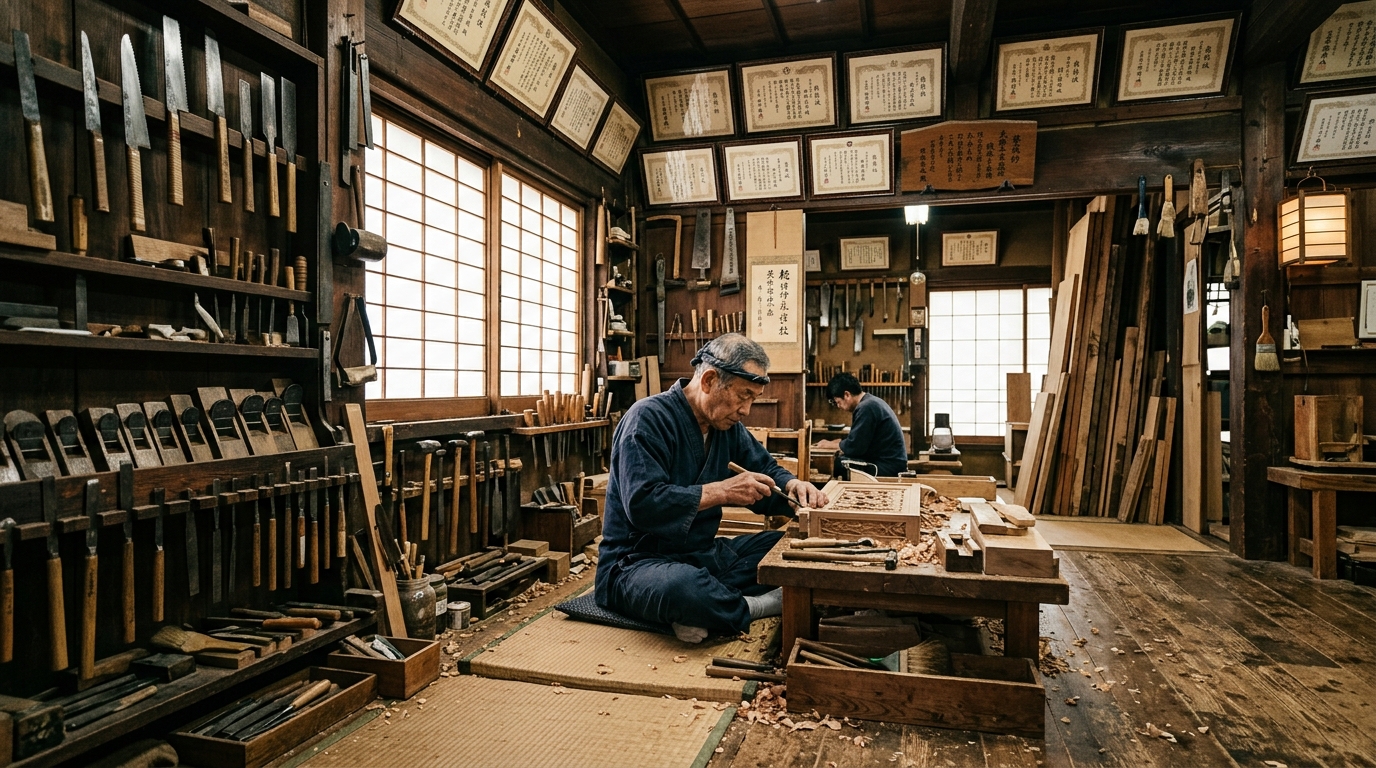
Invests not just in own company but in entire temple-carpentry industry. Publishes technical books, trains young craftsmen, even teaches competitors. If the industry dies, our company dies too.
Secret 4: Avoiding the "Flashy"
Across all CEOs in 1400 years, almost none appeared in media. Office building modest. CEO salary extremely restrained. Being inconspicuous is the secret to enduring.
5 Lessons Modern Companies Can Learn from Shinise
Lesson 1: Abandon Short-Termism
Shift from "win the quarterly report" to "build a company lasting 100 years." Time on long-term investment, talent development, brand building.
Lesson 2: Polish Your Core
Don't chase unrelated diversification; polish core business for 100 years. Modern "shinise" — Fast Retailing (Uniqlo), Toyota, Keyence, Shin-Etsu Chemical — all obsessively focused on core.
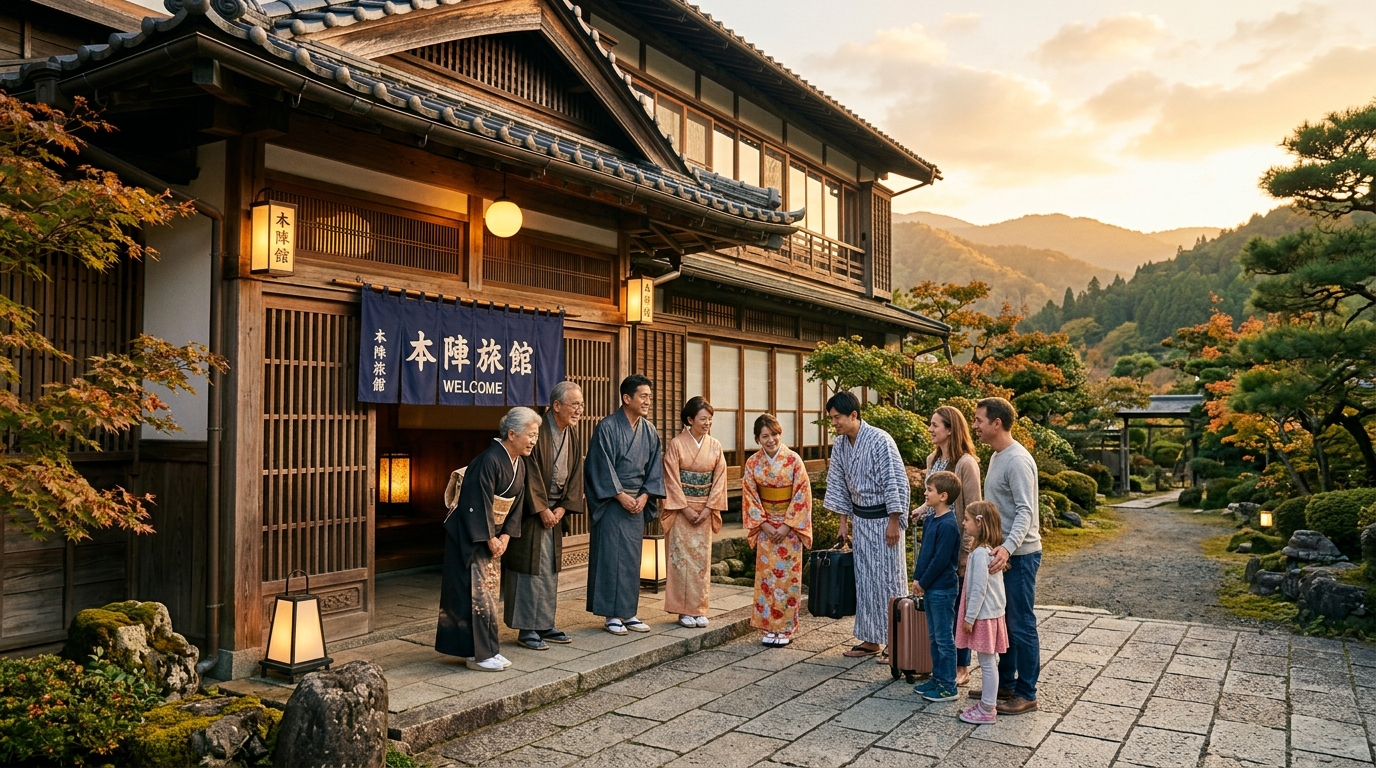
Lesson 3: Trust Above All
Customer trust > short-term sales. Trust once lost can't be regained even with 10 years of profits.
Lesson 4: Invest in Successor Development
Plan succession 5-10 years before top transition. Meritocratic, not bloodline-fixated.
Lesson 5: Think About "Industry Prosperity"
Don't try to win alone — develop the whole industry. Paradoxically, this guarantees your long-term prosperity.
Closing — The Resolve to "Build a Company Lasting 100 Years"
Startup "unicorns" disappear in a few years. Japanese shinise sustain livelihoods, preserve culture, nurture regions across generations.
Now in the AI era — an age of accelerating change — the old wisdom of "build to endure" matters more than ever.
Your company, or your own career — how do you want it to remain in 100 years? Kongo Gumi's philosophy provides the best clue to that question.