
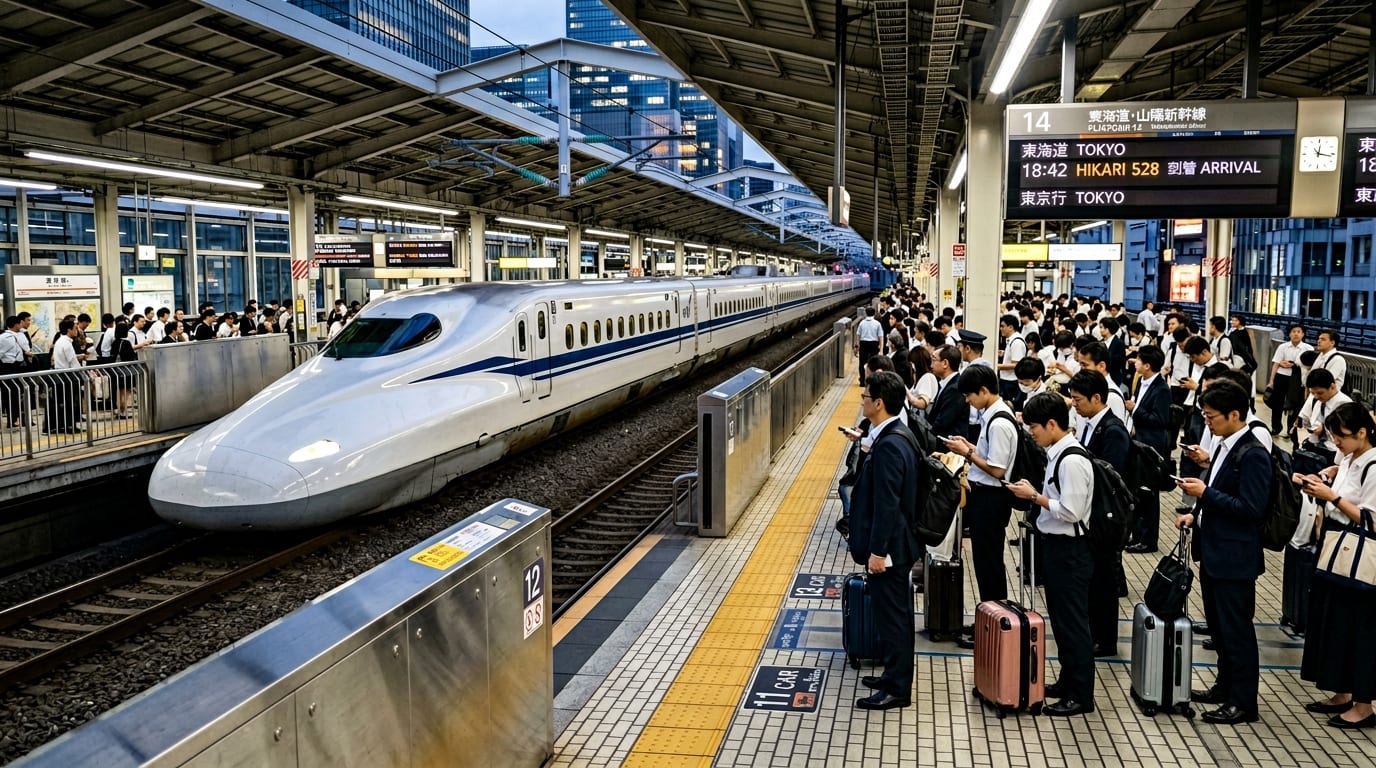
Japan's Shinkansen averages 24 seconds delay annually vs Amtrak's 38 minutes. Inside the engineering, maintenance, and culture that makes it possible.
Read this article to earn +5 MTC
Why Japan's Trains Are Never Late — The Real Engineering Behind 24 Seconds Average Delay
The Statistic That Stops the World
The average annual delay of Japan's Shinkansen bullet trains: 24 seconds.
Not minutes. Seconds. 0.4 minutes — across millions of train operations per year.
Compared to:
- Amtrak (USA): 38 minutes average
- Deutsche Bahn (Germany): 6 minutes average
- TGV (France): 4 minutes average
- Eurostar (UK): 3 minutes average
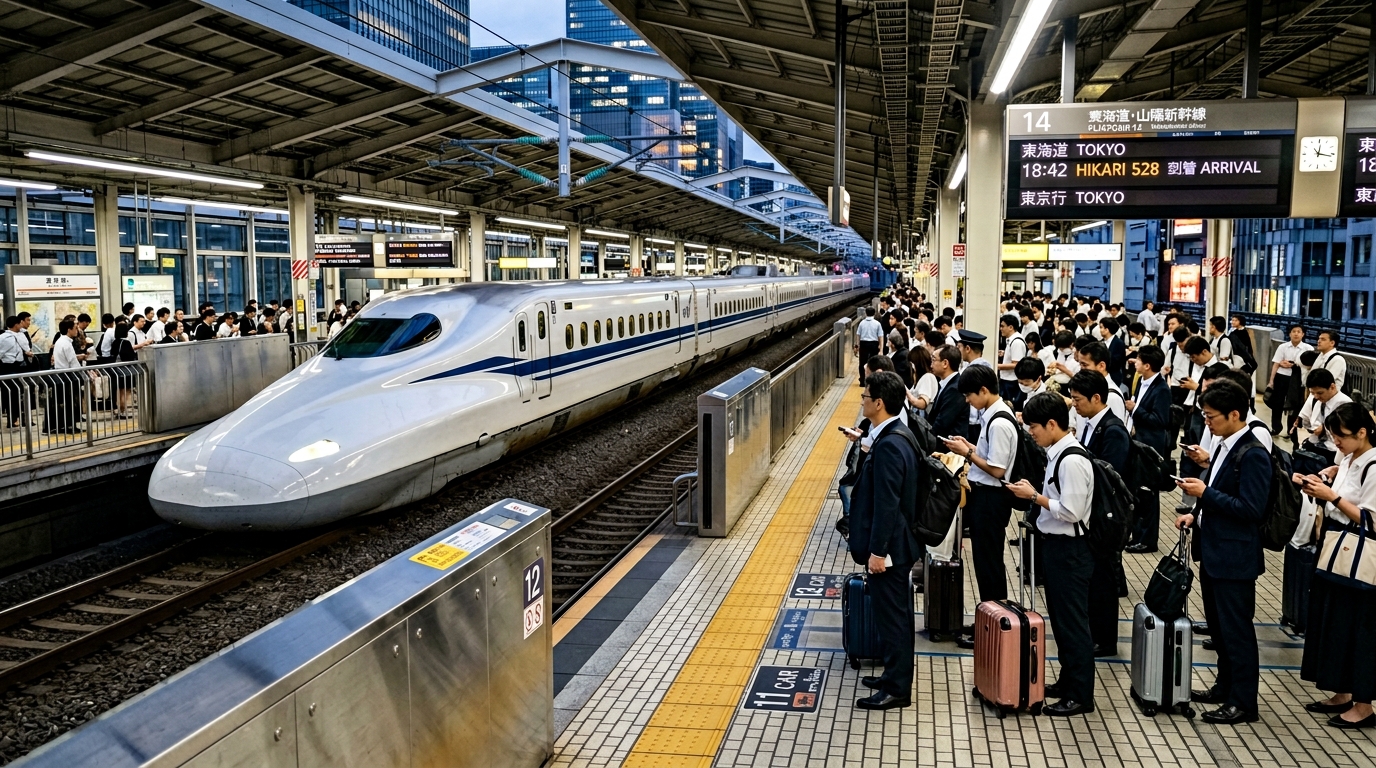
How is this possible? It's not about technology alone. It's about a culture engineered into a system.
The 5 Engineering Principles Behind Japanese Train Punctuality
1. Time Is Measured in Seconds, Not Minutes
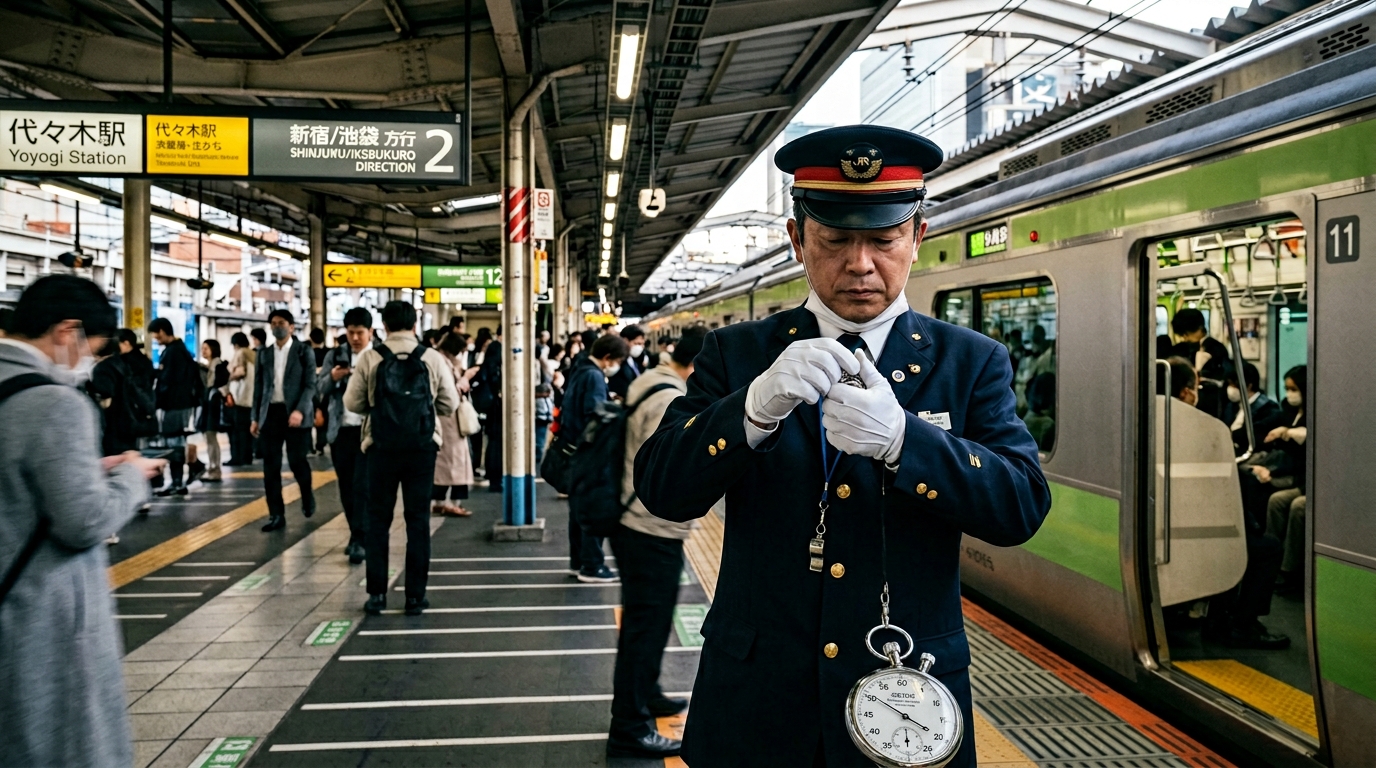
Japan Railways measures performance in seconds. Conductors carry stopwatches, not just watches. Every train movement is timed to the second, including stops, doors opening/closing, and acceleration.
In most countries, "on time" means within 5 minutes. In Japan, "on time" means within 15 seconds.
When this becomes the standard, every part of the system aligns to it.
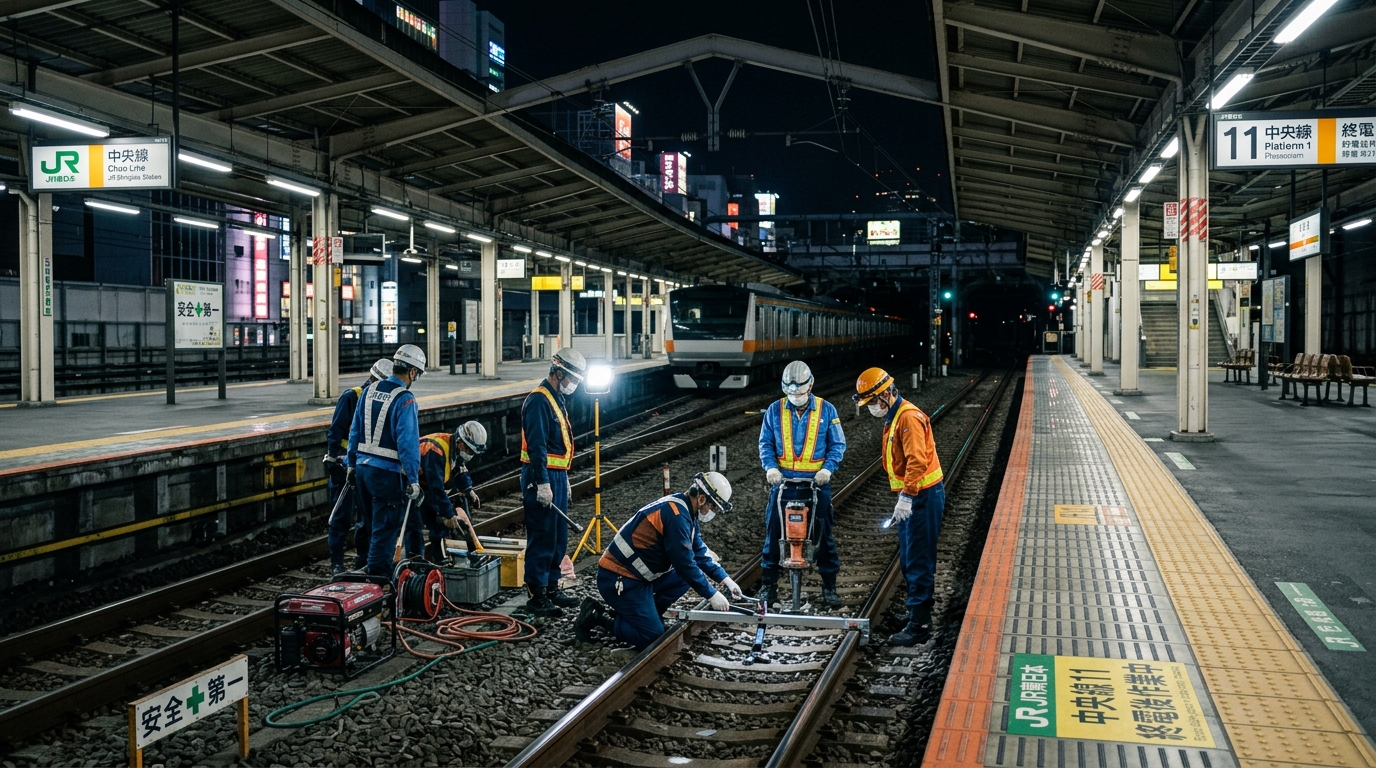
2. Total Maintenance Obsession
JR East alone spends ¥800 billion annually on maintenance and inspection — about 7% of revenue. Compare to US transit systems that spend 2-3%.
Tracks are inspected monthly. Trains are inspected every night. Single component replaced every few years. Reactive repair is forbidden — everything is preventive.
This costs more in the short term, but eliminates the random delays that plague other systems.
3. The "7-Minute Miracle" Cleaning System
Shinkansen turnaround at terminal stations: 7 minutes total. Get all passengers off, clean every seat, restock supplies, prep for next departure.
A team of 22 cleaners enters the train, cleans 17 cars in 7 minutes — that's about 1 minute per car per worker. Choreographed precision down to the second.
This isn't possible by accident. Each worker has a fixed sequence and rhythm. The system is studied by Harvard Business School as an operations excellence case.
4. Cultural Alignment Around Punctuality
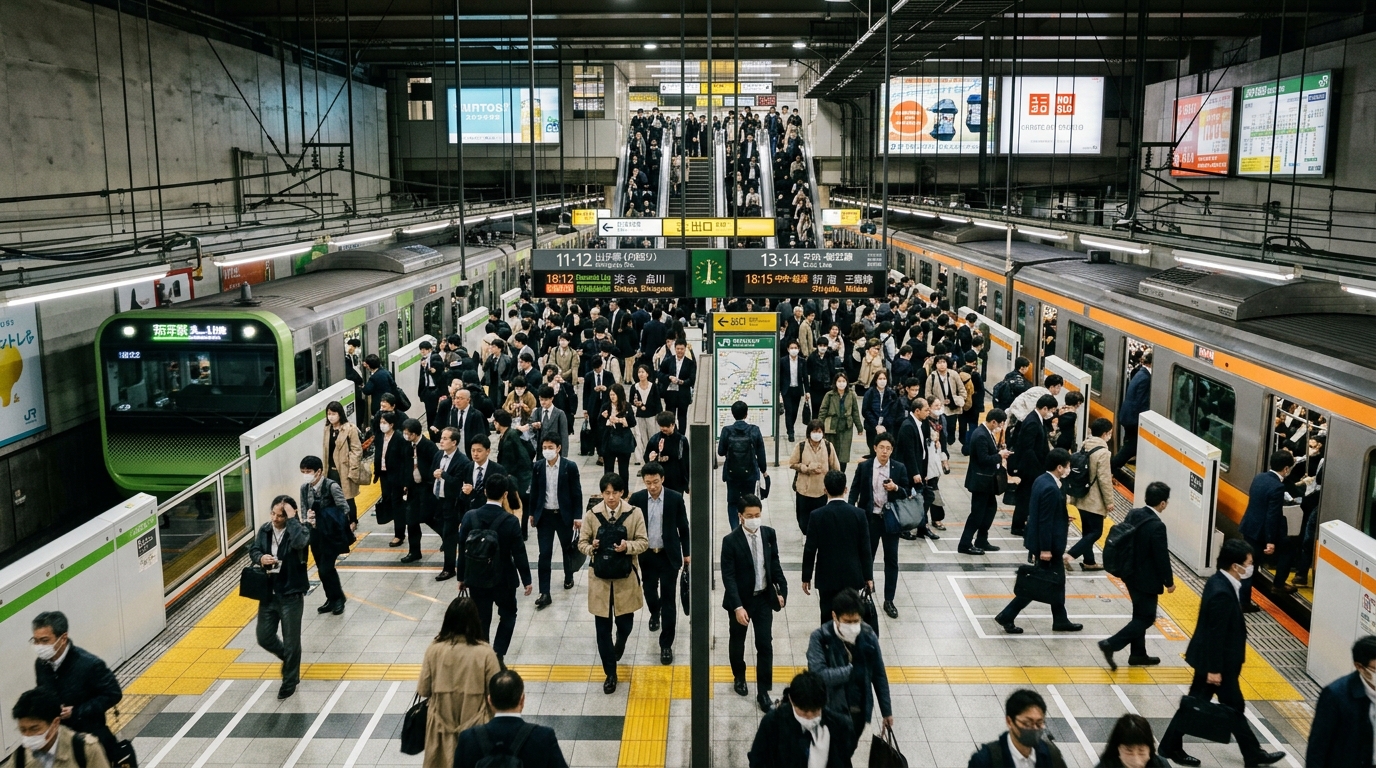
Even passengers participate in the system. Lines form on the platform exactly where doors will open. People board in seconds. Nobody holds doors. Nobody runs to catch trains.
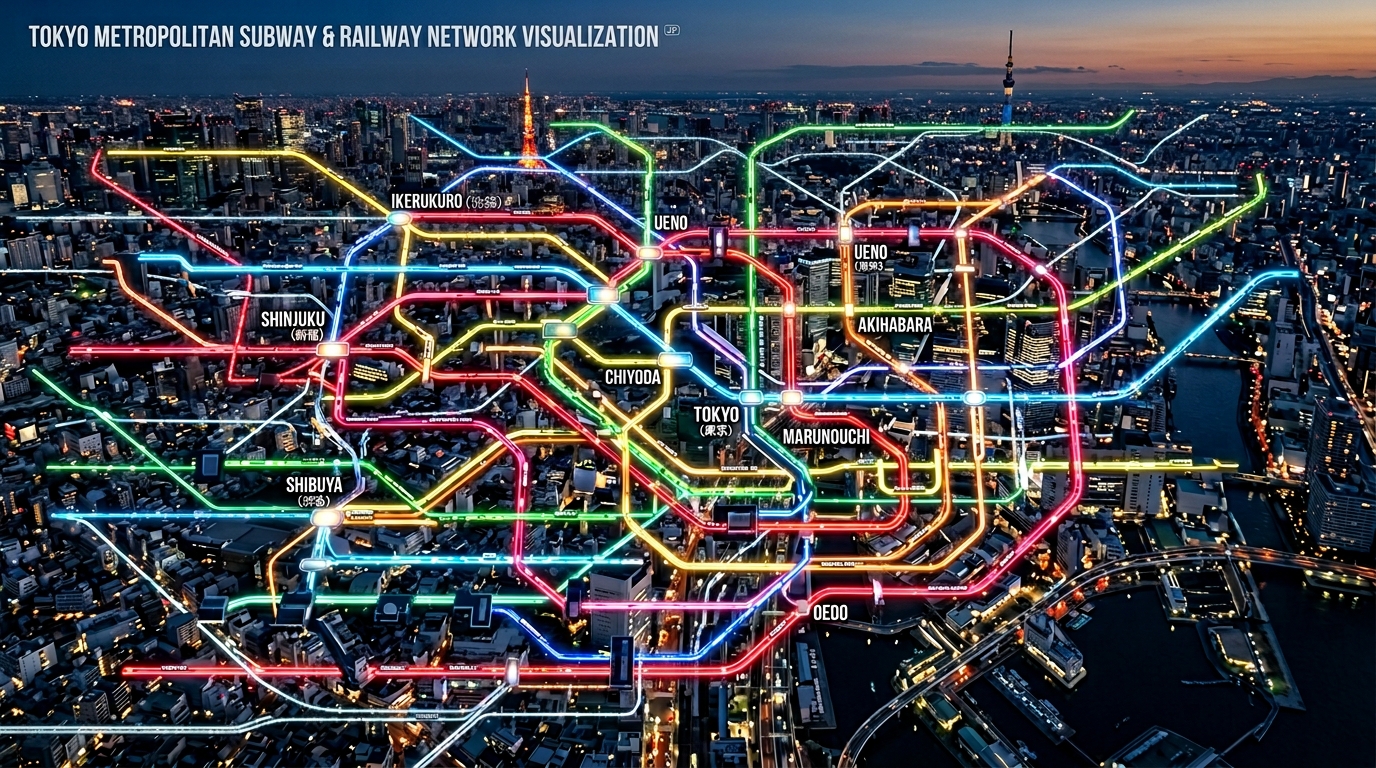
When the entire culture values punctuality, the system runs efficiently. In countries where "I'll be late" is acceptable, no train system can be efficient.
5. Apology Culture and Accountability
When a Shinkansen is 3 minutes late, the company issues a public apology. 30 minutes late, the conductor personally apologizes to every passenger. 2 hours late, free certificates are issued so passengers can prove to their bosses why they were late.
The infamous 2017 Tsukuba Express incident: a train left the station 20 seconds early. The company published a public apology. International media couldn't believe it.
This isn't just politeness — it's accountability. Everyone is responsible for the system working.
What Happens When Trains Aren't Late
The downstream effects of train punctuality reshape society:
Economic Effects
- Workers can plan to the minute, increasing productivity
- Just-in-time manufacturing depends on it (Toyota's miracle)
- Tourism flows efficiently
- Supply chains run with ultra-low buffers
Social Effects
- People are reliable themselves (you can't blame the train)
- Punctuality becomes a personal virtue
- Trust in institutions stays high
- Stress around transportation = near zero
What Other Countries Can Learn
The lesson isn't "build better trains." It's make on-time the cultural standard, then build systems to match.
Some countries that learned from Japan:
Taiwan High Speed Rail (Built by Japanese tech)
99.5% on-time performance. Average delay: 31 seconds.
Spain AVE
After studying Japan's system, achieved 98.5% punctuality. The best in Europe.
Singapore MRT
Maintenance philosophy directly imported from JR. Among most reliable in Asia.
The Hidden Cost
Japanese train punctuality has a darker side:
The 2005 Amagasaki Crash
A JR West conductor running 80 seconds late, fearing punishment, took a curve too fast. The train derailed. 107 people died.
The investigation revealed a culture of fear around being late. JR West has since reformed its system to balance punctuality with safety.
Conductor Stress
Japanese train conductors face extreme pressure. Suicide rates among them are higher than average. Society is reckoning with the human cost of perfect punctuality.
The 2026 Update
Japan is now exporting its punctuality system globally:
- India: Mumbai-Ahmedabad Shinkansen project (2026 target operational)
- UK: HS2 hiring Japanese consultants for operational design
- Brazil: Sao Paulo regional train upgrade with JR East partnership
- California: High-speed rail project considering Japanese operational model
The Lesson for Your Life
You don't need to build a train system. But you can adopt the philosophy:
- Measure what matters in the smallest unit (seconds, not minutes)
- Invest in maintenance (preventive, not reactive)
- Choreograph your routines (eliminate friction)
- Be accountable for being on time
- Build a culture around the standard (not just rules)
Japanese trains aren't a transportation miracle. They're a culture miracle — what happens when 125 million people agree on a standard and everyone holds the line.
Next time you ride a Shinkansen, look at your watch. The number you see is engineering, accountability, and cultural alignment, all running in perfect synchronization.
That's what 24 seconds of average delay means.