A deep dive into Japan's unwritten rules that no guidebook covers. From shoes and chopsticks to tipping and tattoos — know these invisible codes and transform your Japan experience.
Read this article to earn +5 MTC
Introduction: Why Japan's Rules Are Invisible
The moment you land in Japan, you'll notice it. The streets are quiet, spotless. People form orderly lines without being told. Trains arrive with second-by-second precision. Everything is beautiful, everything is in order.
But what holds this order together is a set of rules written nowhere. No signs, no warnings, no fines. If you break them, no one will yell at you — they'll just quietly furrow their brows. And you'll never know why.
This article covers the unwritten rules of Japan that no guidebook bothers to mention. Knowing them won't just save you from embarrassment — it will transform your entire experience.
Wearing Shoes Indoors: The Ultimate Disrespect
You're invited into a Japanese home. You walk in with your shoes on. In Japan, this is one of the gravest social offenses you can commit. That's not an exaggeration.
In Japanese culture, there's a clear boundary between "inside" and "outside." Every entryway has a raised step called the agari-kamachi, which functions almost like a sacred threshold. Removing your shoes isn't just about cleanliness — it's a spiritual act of respecting someone's space.
You'll encounter shoe-removal situations at restaurants, ryokan inns, temples, and even some clinics. If you see slippers lined up at an entrance, that's your cue. When in doubt, look at what everyone else is doing and follow suit.
Deadly Chopstick Taboos: Gestures That Evoke Death
Many foreigners can use chopsticks. Far fewer know the taboos.
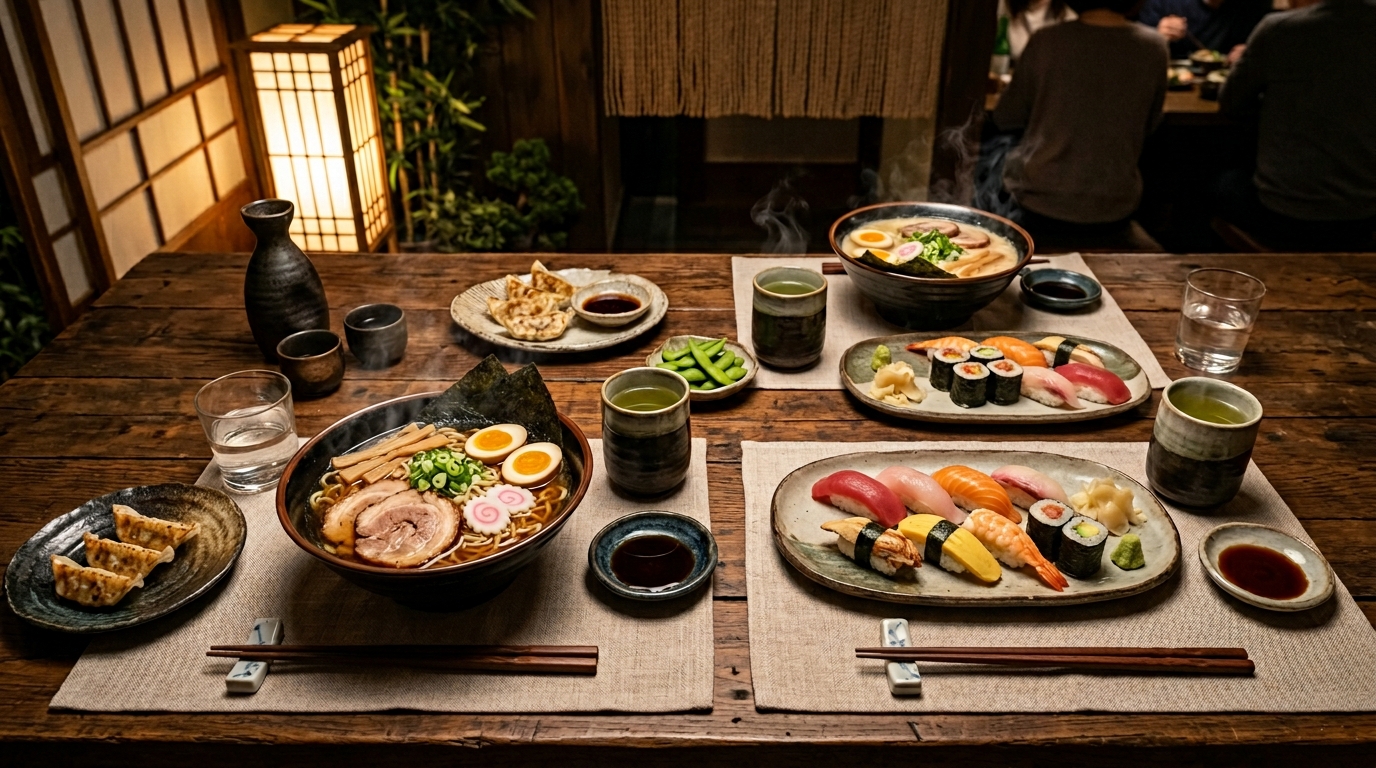
The most critical one: tate-bashi — standing your chopsticks vertically in a bowl of rice. This mirrors how rice is offered to the dead at Buddhist altars. Do it at a dinner table and the room will go ice-cold in an instant.
Equally taboo is hashi-watashi — passing food directly from one pair of chopsticks to another. This mimics the ritual of picking up cremated bones after a funeral. If you want to share food, place it on the other person's plate first.
Other faux pas include yose-bashi (dragging a dish toward you with chopsticks), sashi-bashi (pointing at someone with chopsticks), and kosuri-bashi (rubbing disposable chopsticks together, which implies they're cheap).
Tipping: When Good Intentions Cause Confusion
In the US and Europe, tipping is how you say "thank you." In Japan, tipping says "I think you need charity." Staff may chase you down the street to return the money.
Japanese service is rooted in omotenashi — the philosophy that providing exceptional service is simply what's expected, not something that deserves extra payment. Offering money on top can feel patronizing.
Want to show gratitude? A warm smile and a heartfelt "Arigatou gozaimasu" is the best tip you can leave in Japan.
Talking on Trains: Silence Is the Ride
Take the morning rush hour in Tokyo. Hundreds of people packed into the same car, and it's nearly silent. Japanese trains are, for all practical purposes, rolling libraries.
Phone calls are strongly discouraged on trains, with announcements reminding passengers repeatedly. Even conversations with friends should be kept at a low volume. Playing music through speakers is unthinkable. Even headphone leakage will earn you sharp glances.
Near priority seats, phone use itself is discouraged — officially for pacemaker safety, but really as an expression of the Japanese value of sharing quiet space with consideration for others.
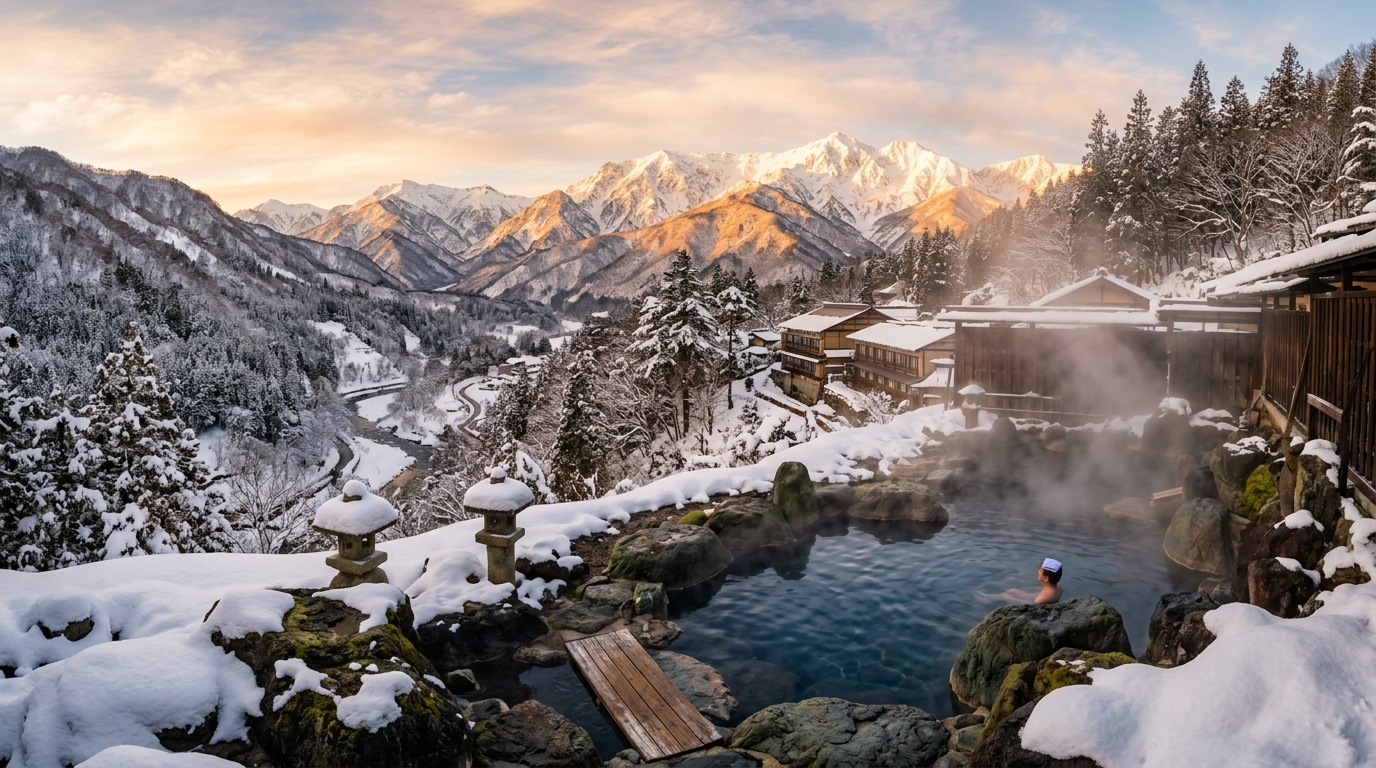
Tattoos and Onsen: Art or Underworld Symbol?
Abroad, tattoos are fashion, art, self-expression. In Japan, tattoos carry a historical association with the yakuza — organized crime syndicates.
As a result, many onsen (hot springs), public baths, pools, and gyms prohibit entry for anyone with visible tattoos. Even a small wrist tattoo isn't exempt. While tattoo-friendly facilities are growing thanks to the tourism boom, they're still the minority.
Your best options: check the facility's policy beforehand, or use skin-colored concealment patches. Searching "tattoo friendly onsen" will turn up curated lists of welcoming spots.
No Trash Cans: Welcome to Carry-It-Home Culture
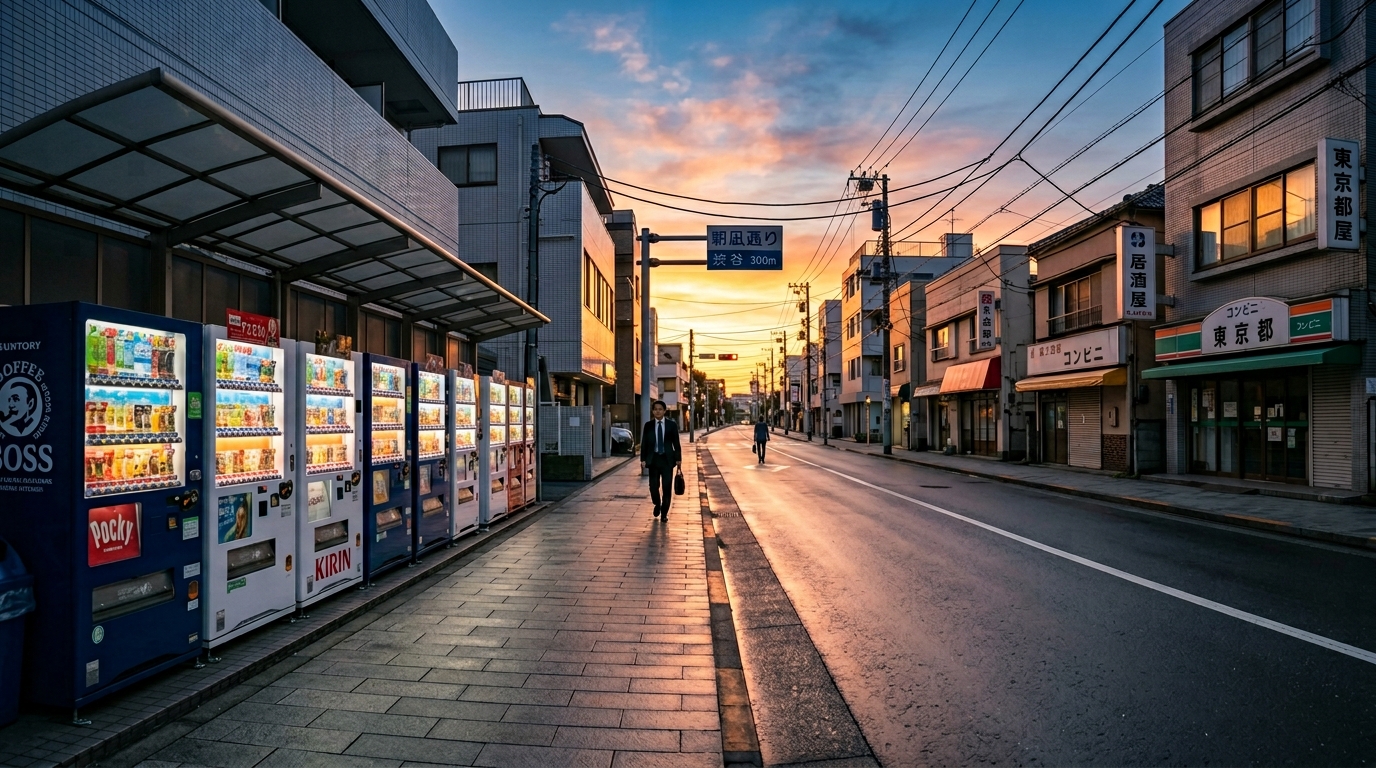
This might be your first moment of panic in Japan. There are almost no public trash cans. Even the ones that used to sit outside convenience stores have been disappearing.
This traces back to security measures after the 1995 Tokyo subway sarin attack, but it has since evolved into an ingrained cultural norm: you carry your own trash home.
Survival tip: keep a small plastic bag in your backpack. If you buy something at a convenience store, eat it there and use their trash can. Recycling bins next to vending machines are also your friend — but they're strictly for cans and PET bottles, not general waste.
Walking While Smoking or Eating: Moving Violations
In many cities, smoking while walking is banned by local ordinance, with fines of 1,000 to 2,000 yen. Smoking is permitted only in designated areas.
Eating while walking isn't illegal, but it's frowned upon. Even in shopping streets famous for street food — like Kamakura's Komachi-dori — "no eating while walking" rules have been introduced recently. The polite move: stop near where you bought the food, eat it standing still, then carry on.
Photography Pitfalls: "May I Take a Photo?" Is Your Lifeline
Chasing a maiko with your camera in Kyoto's Gion. Taking selfies in sacred shrine areas. Setting up a tripod in the middle of a crowded street. All of these have caused real incidents.
In 2024, parts of Kyoto's Gion district officially banned photography on private roads, with fines of 10,000 yen for violators. Even without posted signs, photography is often prohibited inside shrine main halls, museums, and certain restaurants.
The rule is simple: when in doubt, ask before you shoot. "Shashin, ii desu ka?" (May I take a photo?) — this single phrase prevents 99% of problems.
Conclusion: Surviving in the Land of "Reading the Air"
Japan's rules aren't strict — they're just invisible. And it's precisely those invisible rules that create the beautiful order this country is known for.
You don't need to be perfect. Japanese people understand that foreigners don't know every custom. What matters is the effort — the willingness to try. Taking off your shoes. Lowering your voice. Being mindful of your chopsticks. These small gestures are the key that opens Japanese hearts.
There's a Japanese proverb: "Gou ni itte wa gou ni shitagae" — When in Rome, do as the Romans do. You don't have to get it all right. Just try. Your trip to Japan will become infinitely richer from that very moment.