Over 300,000 festivals annually, from Kyoto's 1,000-year-old Gion Matsuri to Aomori's electrifying Nebuta. Japanese festivals are the ultimate cultural experience you need to have.
Read this article to earn +5 MTC
Festivals Are Japan's Heartbeat
Over 300,000 festivals are held across Japan annually. From tiny village shrine celebrations to massive events drawing millions, festivals are the heartbeat of Japanese culture and the soul of community. They are not tourist events or staged performances — they are living traditions that have pulsed through Japanese life for centuries.
Gion Matsuri, Kyoto
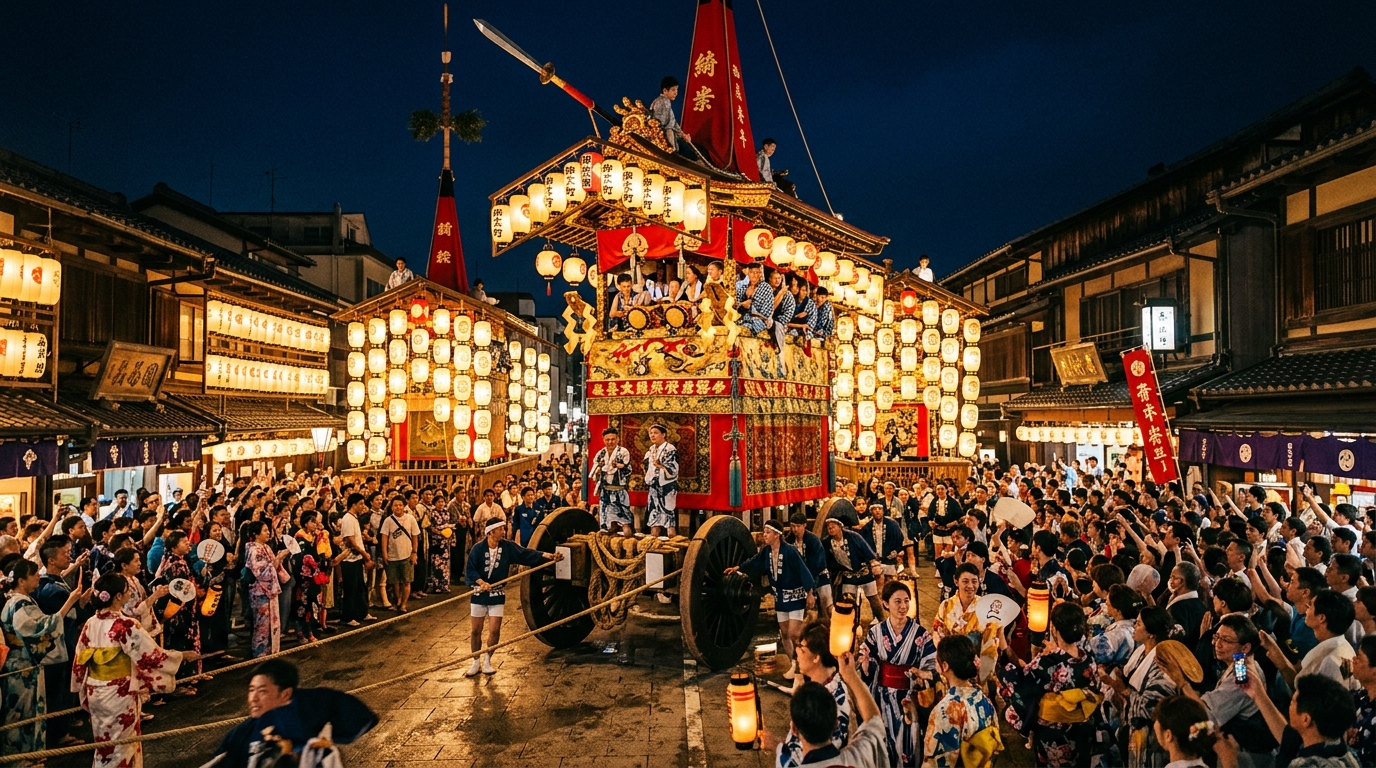
With over 1,000 years of history, Gion Matsuri transforms Kyoto into a month-long celebration every July. Towering 25-meter yamahoko floats processing through ancient streets are moving museums of textile art and craftsmanship. The evening yoiyama, when you can wander lantern-lit streets and peek inside centuries-old treasures displayed in machiya townhouses, is pure magic.
Each of the 33 floats is maintained by a different neighborhood, with construction techniques and decorations passed down through generations. Some tapestries date to the 16th century, including pieces that traveled the Silk Road from Belgium and Persia.
Nebuta Matsuri, Aomori
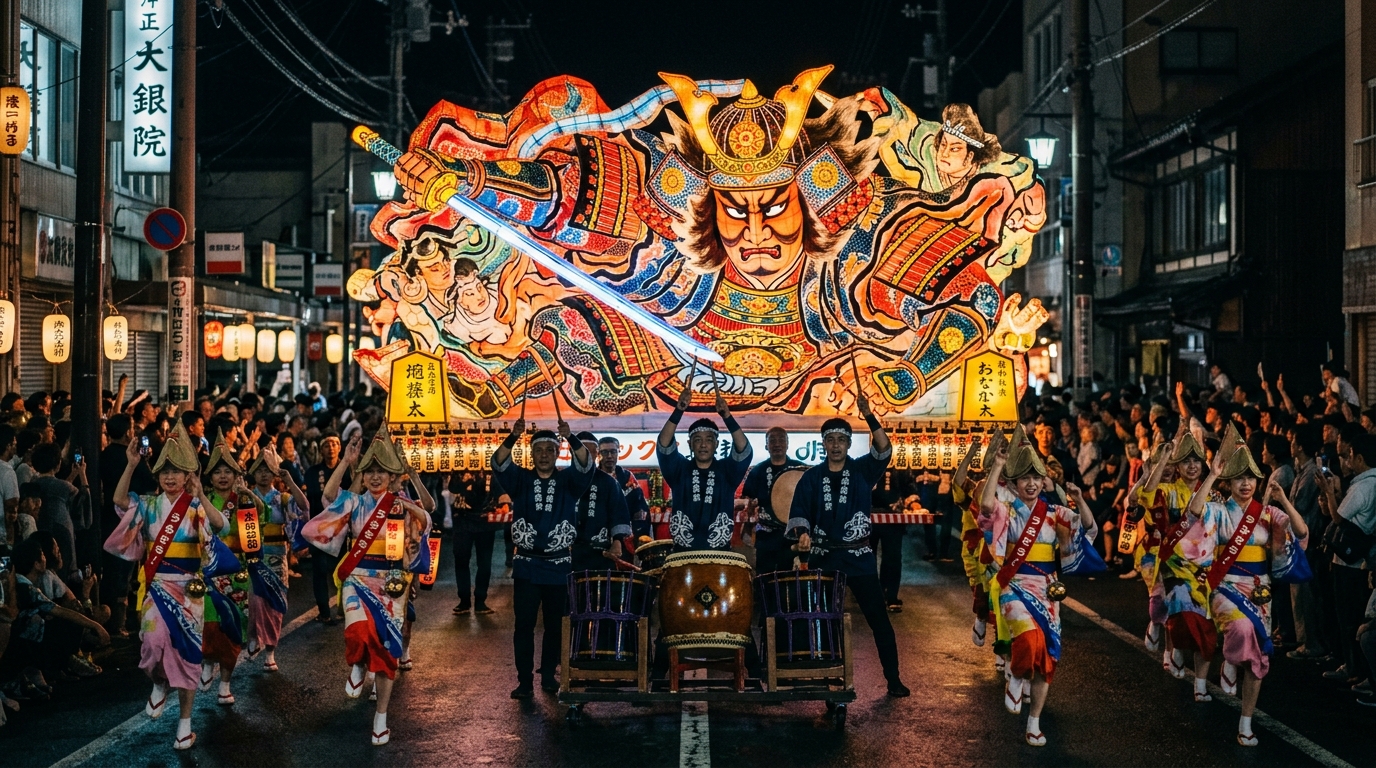
Giant illuminated warrior floats parade through the night. Drums and flutes, the thunderous chant of "Rassera!" — Nebuta embodies the most electrifying energy of Japanese summer. The floats are destroyed after the festival, rebuilt fresh each year — a philosophy of impermanence made spectacular.
The massive paper-and-wire floats, some weighing over four tons, depict fearsome warriors and mythological figures. Master craftsmen called nebuta-shi spend nearly a year creating each one, only for it to blaze briefly in glory before being dismantled.
Awa Odori, Tokushima
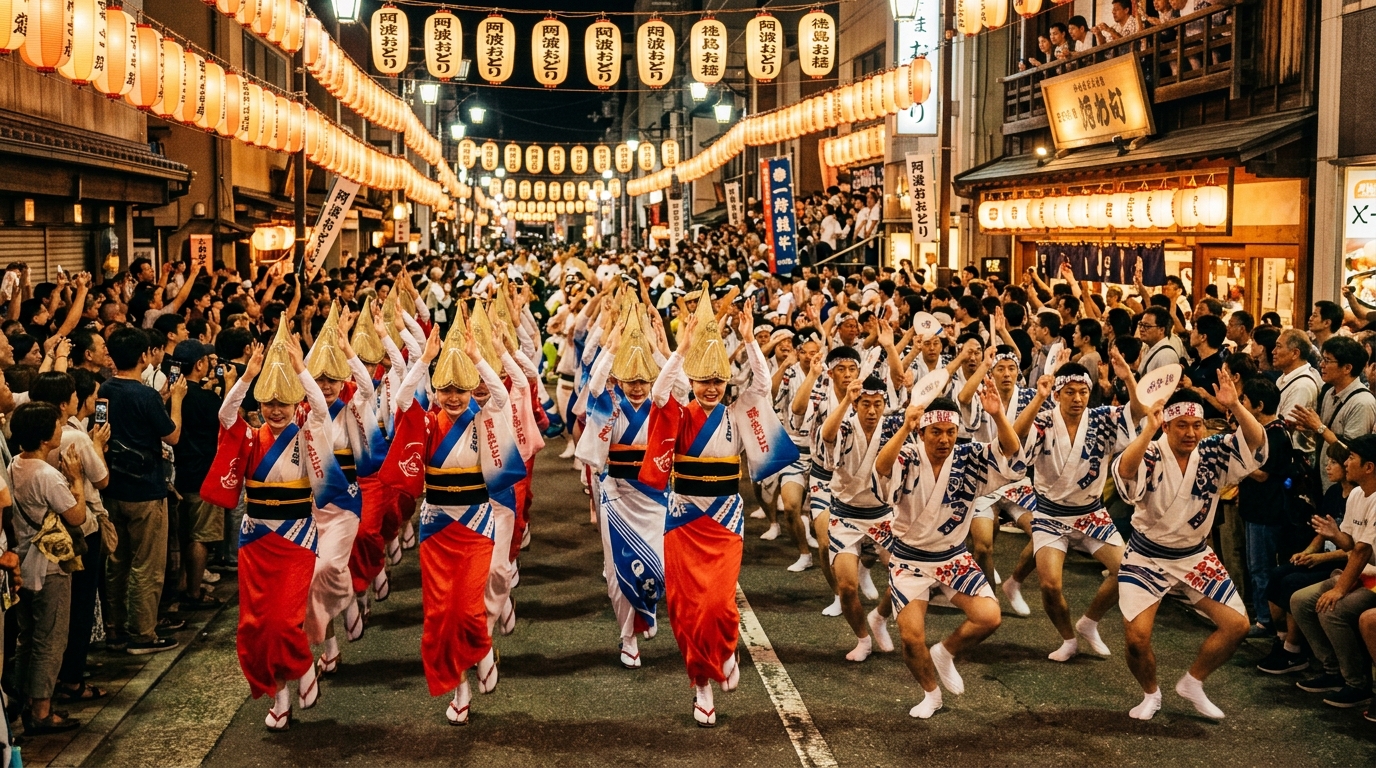
"It's a fool who dances and a fool who watches — if both are fools, you might as well dance!" This 400-year-old philosophy dissolves the boundary between performer and audience. Anyone can join the "niwaka-ren" groups, and foreign visitors regularly find themselves swept into the rhythm.
Over 1.3 million spectators flood Tokushima each August for four nights of dance. The distinctive two-beat rhythm of the shamisen and taiko is instantly recognizable, and the synchronized movements of the women's dance troupes are mesmerizingly beautiful.
Festivals Connect Past and Future
Japanese festivals are not mere events. They are devices for transmitting ancestral skills, spirit, and community bonds to the next generation. Even in rural areas facing depopulation, festivals endure — because festivals are Japanese identity itself. In a rapidly modernizing world, they remain the thread connecting centuries of tradition to tomorrow.