Read this article to earn +5 MTC
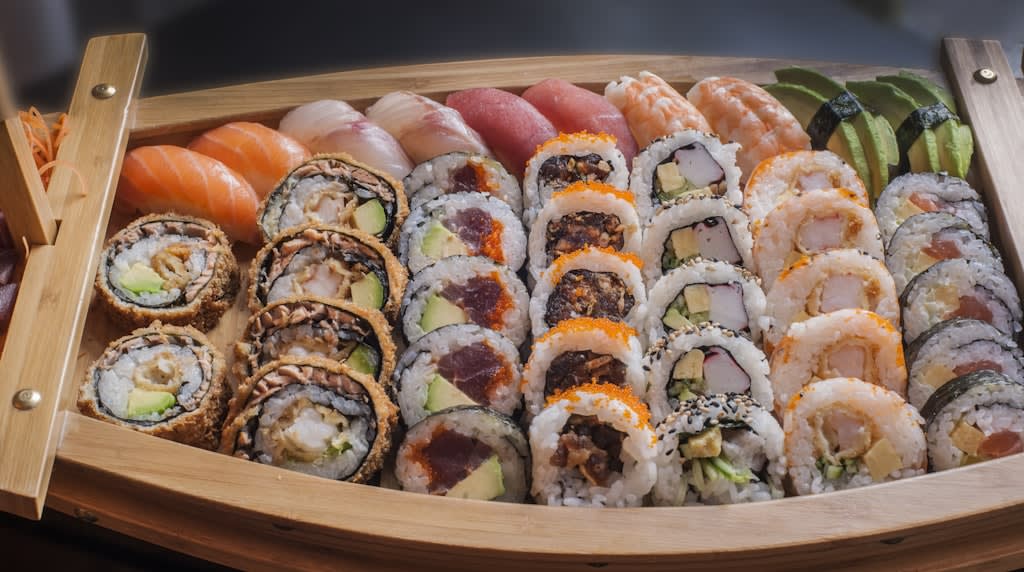
Ask anyone what Japanese food is, and you'll get the same answer: sushi, ramen, maybe wagyu beef if they're feeling fancy. These are spectacular dishes. They're also the tip of an iceberg so deep it would make the Titanic nervous.
The real philosophy behind Japanese cuisine isn't about adding more — more flavor, more ingredients, more spectacle. It's about taking away everything that isn't essential until only the truth of the ingredient remains.
The Illusion: Japan = Sushi + Ramen + Repeat
Sushi and ramen have conquered the world, and they deserve the attention. But they've convinced everyone that Japanese food is about bold, concentrated flavors.
In reality, the philosophical heart of washoku beats in the opposite direction. It's not about intensity. It's about restraint. Not about what you put in, but what you leave out.
Ichiju Issai: One Soup, One Dish
The concept that best captures this philosophy is ichiju issai — literally "one soup, one side dish." Add rice and pickles, and you have the most radical idea in global food culture: a complete, satisfying, nourishing meal made from almost nothing.
The concept was popularized by Yoshiharu Doi, one of Japan's most respected cooking teachers, who argued that the Japanese home cook had been tricked into believing meals needed to be elaborate. His message: a bowl of rice, a bowl of miso soup with seasonal vegetables, and one small side dish. That's dinner. And it's enough.
The Aesthetic of Subtraction
Japanese food philosophy is inseparable from Japanese aesthetics. The same culture that created wabi-sabi, ma, and shibui also created a cuisine that treats empty space on a plate as a design element.
Consider the difference between a French tasting menu and a kaiseki course. The French tradition builds complexity through layers. Kaiseki strips everything back. A single piece of grilled fish. A clear broth with one floating yuzu peel. Three perfect slices of seasonal vegetable.
This isn't laziness. It's the result of obsessive attention. When there are only three elements on a plate, each one must be flawless.
What Your Grandmother Knew
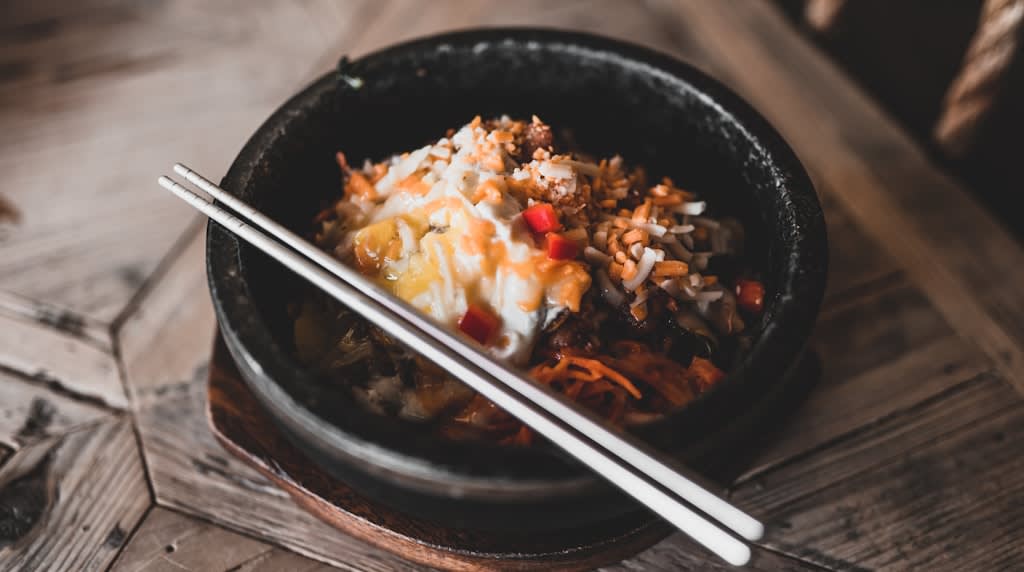
The ichiju issai philosophy was born in home kitchens — in the daily practice of Japanese grandmothers who could transform a handful of seasonal vegetables and yesterday's rice into something that made the whole family gather.
The secret ingredient in Japanese home cooking isn't dashi or soy sauce. It's shun — eating what's in season, at the peak of its natural flavor.
This obsession with seasonality runs so deep that traditional Japanese culture recognizes 72 micro-seasons called shichijuni kou. Not four seasons. Seventy-two distinct moments in the year, each with its own characteristic ingredient.
The Kaiseki Experience: Subtraction as Art
If ichiju issai is the philosophy, kaiseki is its highest artistic expression. Born from the tea ceremony tradition, kaiseki is a multi-course meal that treats each course as a meditation on a single idea.
The courses progress not by increasing intensity but by shifting emotional register — from light to rich to refreshing to comforting — like movements in a symphony where the silence between notes matters as much as the notes themselves.
Why This Matters Beyond Food
In a global food culture that keeps adding — more toppings, more fusion, more spectacle — Japan quietly asks: what happens when you remove everything except what's essential?
The answer is that you find the truth. Of the ingredient. Of the meal. Of the moment you're sharing it with someone.
Next time you sit down to eat, try the ichiju issai experiment. Rice. Miso soup with whatever vegetables you have. One simple dish. Because when everything unnecessary falls away, what remains is something you can actually taste.
And that's the most Japanese thing of all: finding abundance in what seems like almost nothing.