Read this article to earn +5 MTC
You land at Narita Airport. The immigration officer bows. The taxi driver bows. The hotel receptionist bows so deeply you're afraid she might not come back up. Everyone smiles. Everyone says "welcome." And you think: wow, Japanese people are so kind.
They're not. Or rather, that's not what's happening.
What you're experiencing isn't kindness. It's something far more fascinating — a social operating system that took 1,400 years to develop, and it runs on completely different code than anything you're used to.
The Illusion: "Japanese People Are Just Really Nice"
Every travel forum has the same story. "The Japanese are the kindest people I've ever met." "A stranger walked me twenty minutes to my hotel." "The convenience store clerk wrapped my onigiri like it was a gift from the gods."
These experiences are real. But attributing them to "niceness" is like saying your computer works because it's "friendly." You're observing the output without understanding the operating system.
The Operating System: Honne and Tatemae
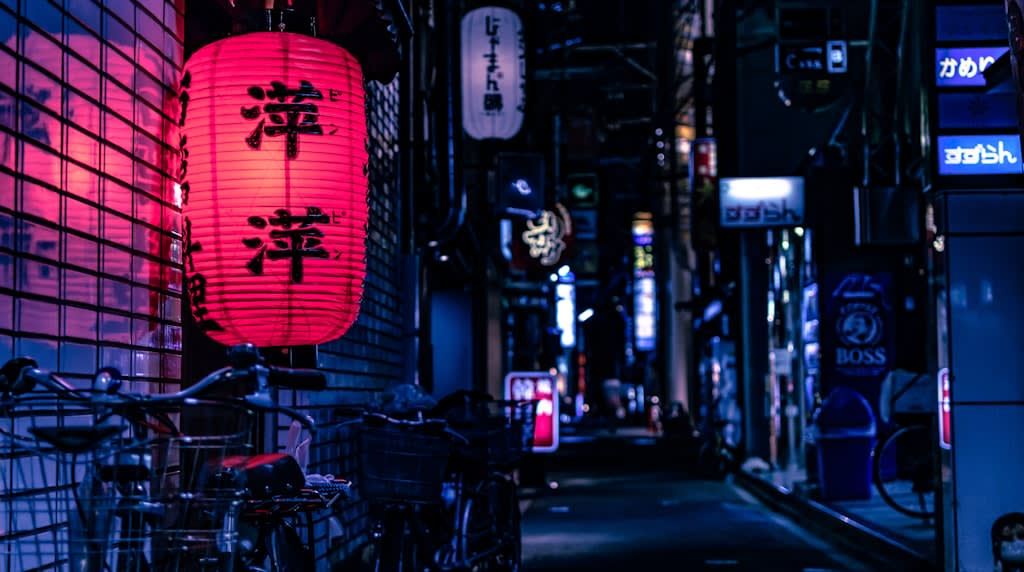
Japanese social life runs on a dual-layer system called honne and tatemae.
Honne is what you actually think and feel — your raw, unfiltered self. Tatemae is the face you present to maintain social harmony. And before you say "that's just being fake," understand this: the Japanese don't see tatemae as deception. They see it as architecture.
The word tatemae literally means "built in front" — like a facade on a building. But in Japanese culture, the facade isn't hiding something shameful. It's protecting something sacred: the peace of the group.
The Source Code: Prince Shotoku's Constitution
This operating system didn't appear overnight. Its earliest known version dates back to 604 AD, when Prince Shotoku wrote Japan's first constitution. Its very first article states: "Harmony is to be valued, and an avoidance of wanton opposition to be honored."
That was 1,400 years ago. Fourteen centuries of cultural software updates, all built on the same foundational principle: the group's harmony matters more than any individual's desire to be "authentic."
This isn't repression. It's engineering.
How It Actually Works (And Why It's Brilliant)
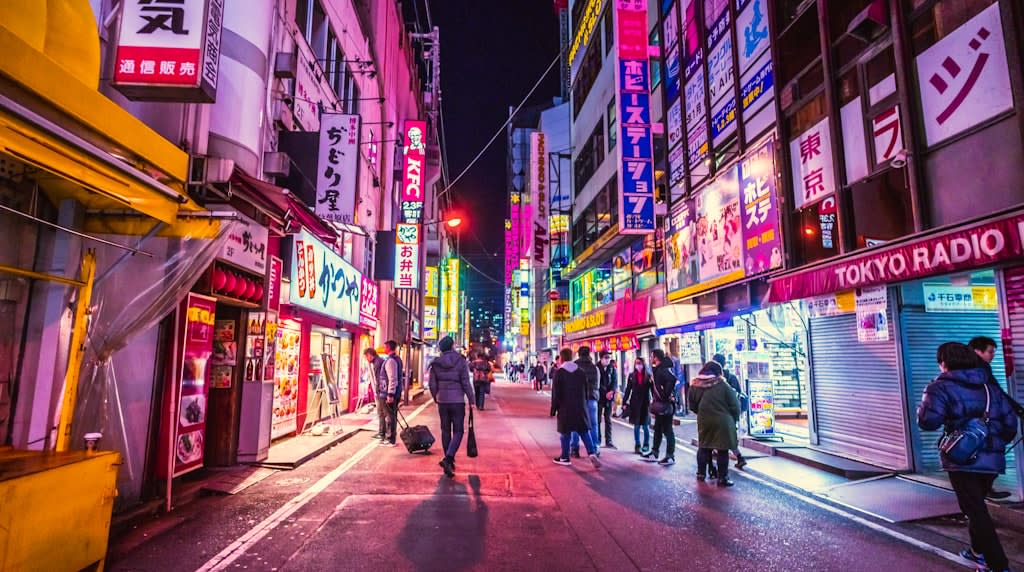
Let's say you're at a Japanese office, and your boss presents a terrible idea. In New York, someone might say: "I don't think that'll work." In Japan, someone might say: "That's a very interesting approach. Perhaps we could also consider..." followed by a completely different idea.
The system has layers: kuuki wo yomu — literally "reading the air" — is the skill of sensing what everyone in the room is really thinking without anyone saying it. Then there's sasshi — the ability to anticipate what someone needs before they ask.
The Dark Side (Because Nothing Is Perfect)
This operating system has bugs, and the Japanese know it.
The pressure to maintain tatemae can be crushing. Japan has a word — hikikomori — for people who withdraw from society entirely, sometimes for years.
What You Can Actually Learn From This
When someone in Japan says "that might be difficult," they're saying no. When they suck air through their teeth, they're expressing serious reservations. When they say "I'll think about it," the thinking is done — the answer is no.
This isn't a flaw in communication. It's a feature. The system preserves everyone's dignity while still conveying the message.
And here's the deeper lesson: sometimes the kindest thing isn't the truest thing. Sometimes the truest kindness is the one that protects the group at a small cost to yourself.
That's not fake. That's 1,400 years of wisdom about how humans can actually live together.