Read this article to earn +5 MTC
Why the World Is Falling in Love with Japanese Food Right Now
In 2013, washoku — traditional Japanese cuisine — was inscribed on UNESCO's Intangible Cultural Heritage list. Over a decade later, what's happening across the global food scene can no longer be captured by the word "trend."
Top chefs in New York are cultivating their own koji. Copenhagen's renowned kitchens are experimenting with miso fermentation. London bartenders are building cocktails around Japanese sake. Japanese food isn't just being eaten — it's quietly rewriting the philosophy of kitchens around the world.
And the epicenter isn't sushi or ramen. It runs much deeper — into a layer of culture that the Japanese have been nurturing for thousands of years: the invisible art of fermentation.
Koji — The Sorcerer Behind Japan's Fermentation Culture
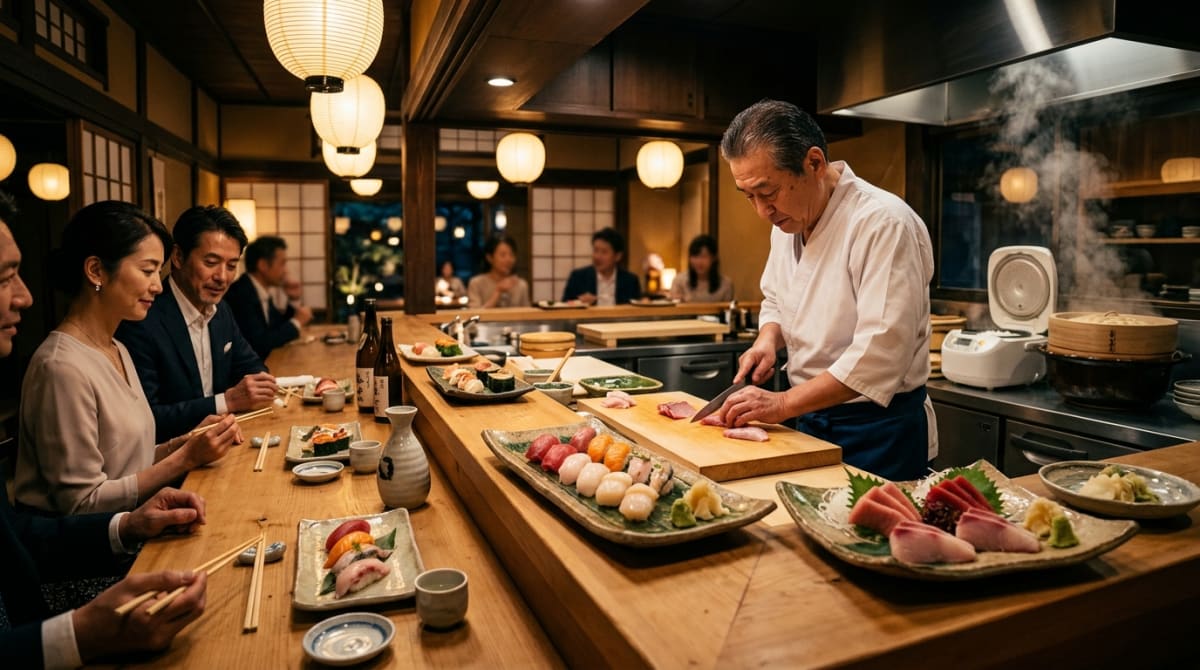
Miso, soy sauce, mirin, vinegar, sake, shochu. Every one of these pillars of the Japanese table shares a single common ingredient: a microorganism called Aspergillus oryzae, or koji mold.
When koji is cultivated on rice, barley, or soybeans, it breaks down starches into sugars and proteins into amino acids — simultaneously unlocking sweetness and umami. It is, in essence, nature's own alchemist.
Here's what makes it extraordinary: koji mold has been officially designated as Japan's national mold (kokkin). While China also has deep fermentation traditions using naturally occurring mold on steamed grains, Japan took a different path — deliberately cultivating, managing, and passing down koji cultures across generations. Think of it as the difference between wild yeast and a carefully curated starter culture in winemaking.
This "controlled fermentation" is precisely why Japanese cuisine carries a depth of flavor unlike any other. And right now, it's the single technique that the world's best chefs are most eager to master.
Traveling Through Taste — A New Kind of Journey Through Sake Breweries, Miso Workshops & Soy Sauce Houses
Have you heard of "fermentation tourism"? It's one of the fastest-growing travel styles in Japan today.
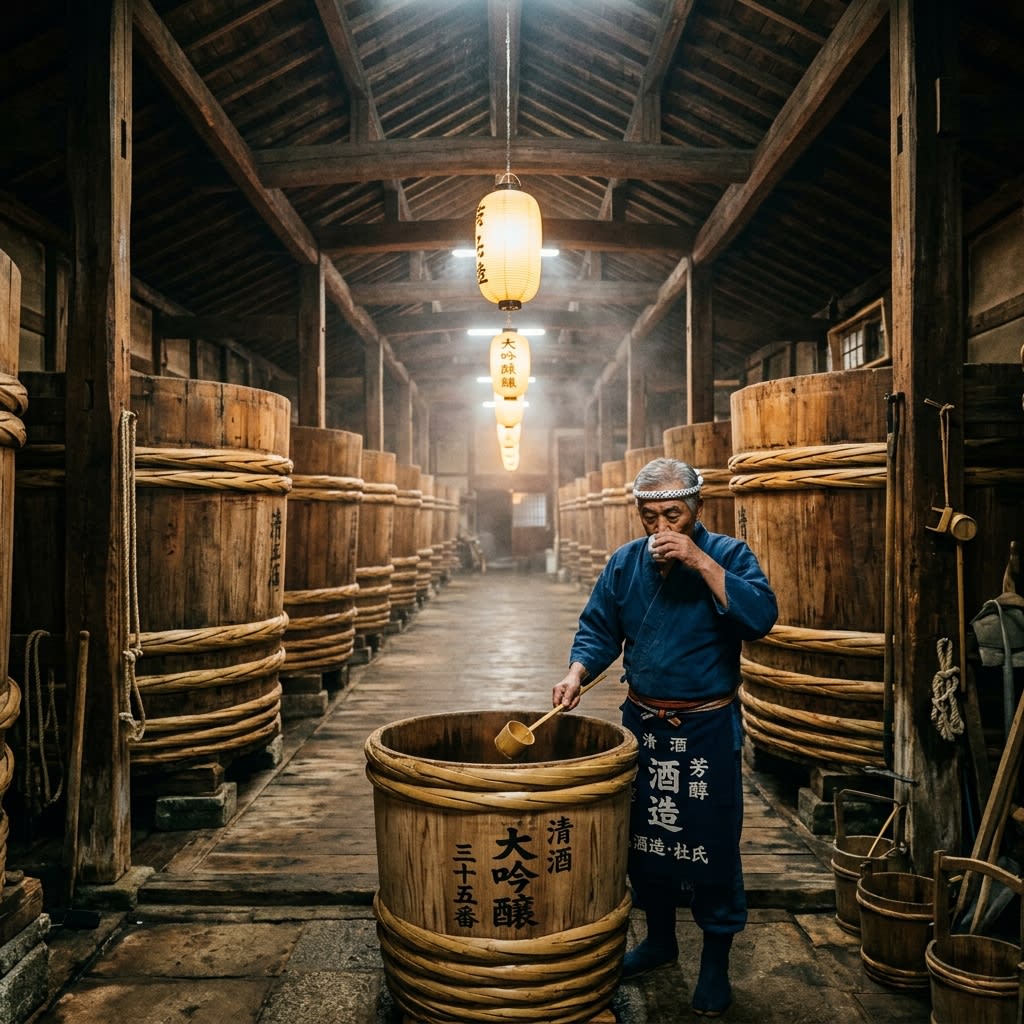
Nada in Hyogo, Fushimi in Kyoto, Saijo in Hiroshima — Japan is dotted with renowned sake-producing regions. Fushimi alone is home to over 30 breweries, many of which welcome visitors for tours and tastings.
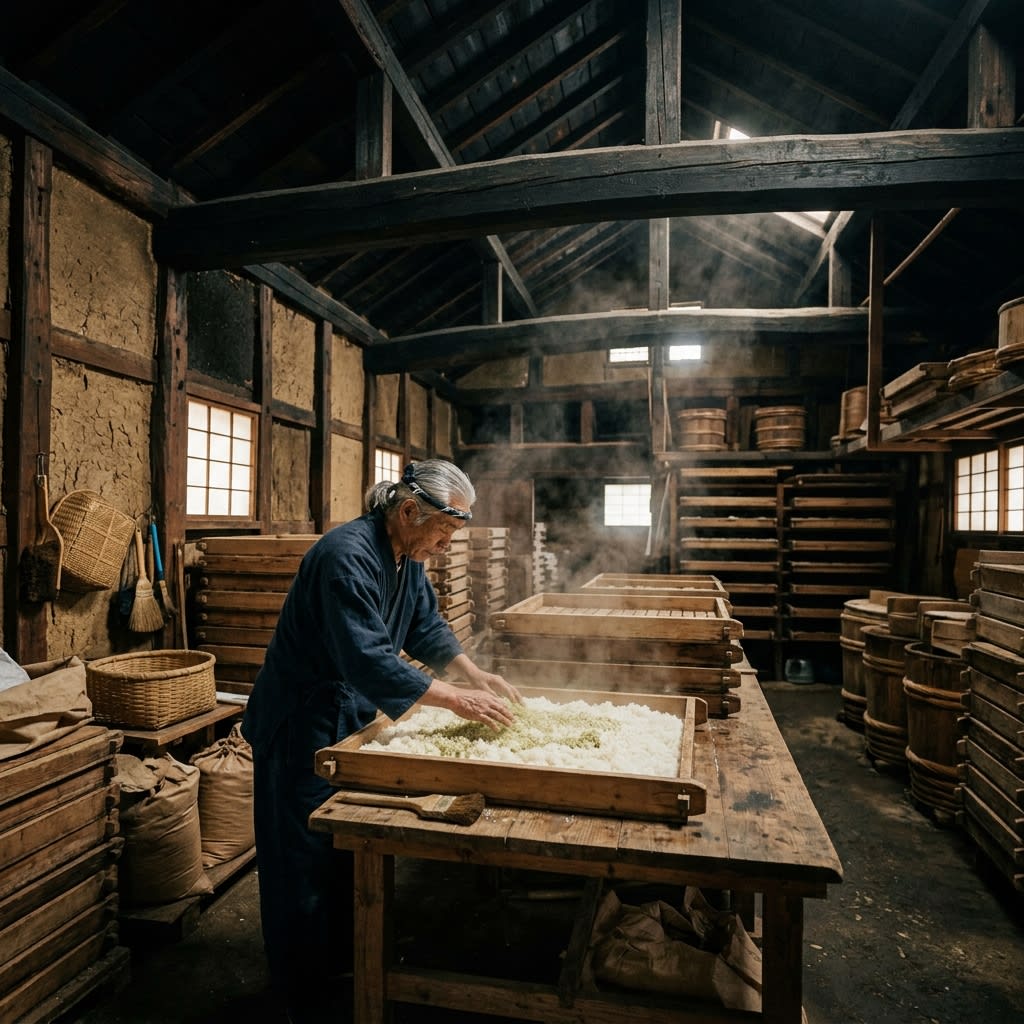
But fermentation tourism goes far beyond sake. In Kanazawa, Ishikawa Prefecture, you can roll up your sleeves and actually pack your own miso. In Shizuoka, a curated "journey through fermentation history, faith, and food" has become a standout gastronomy experience. In Nikko, Tochigi Prefecture, a sake brewery founded in 1842 — now in its seventh generation — has opened its doors to international travelers.
This isn't a factory tour. It's a full-sensory encounter with techniques and philosophies honed over centuries. The cool air inside a centuries-old storehouse, the quiet sound of koji coming alive, the aroma of freshly pressed sake — these are moments that no restaurant can replicate. It's a journey that touches the very soul of Japan.
How Umami Changed Kitchens Around the World
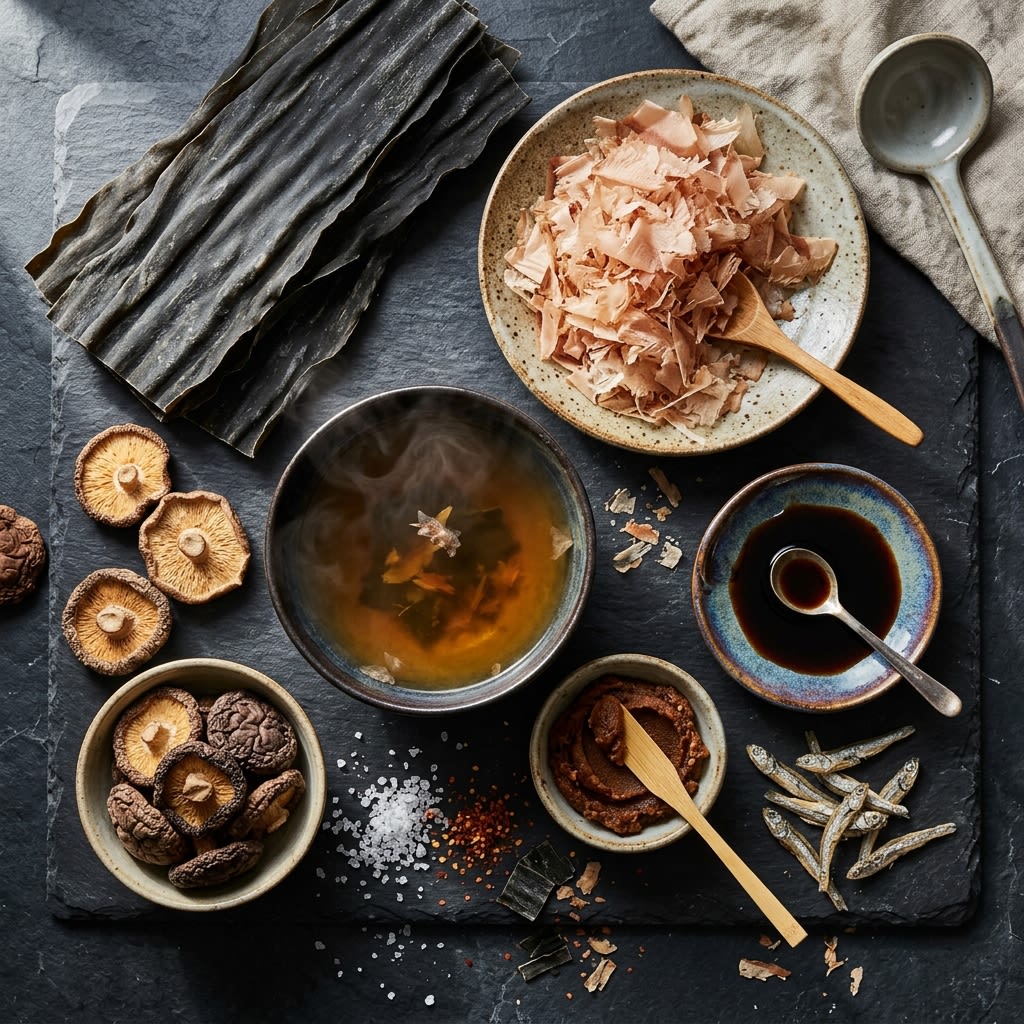
In 1908, chemist Kikunae Ikeda extracted glutamic acid from kombu seaweed broth and named it "umami" — a fifth basic taste alongside sweet, salty, sour, and bitter. Western scientists at the time dismissed the idea entirely.
Nearly a century later, in 2002, umami receptors were scientifically identified, and the culinary world was never the same.
Today, "umami" is a universal language in Michelin-starred restaurants worldwide. Parmesan cheese, tomatoes, anchovies — umami was always present in Western cooking. But the Japanese systematically extracted it from kombu, katsuobushi (bonito flakes), and dried shiitake mushrooms, then built it into the very foundation of their cuisine through dashi.
What's even more remarkable is the direct connection between umami and health. Umami-rich dishes deliver deep satisfaction even with reduced salt and fat. As the world pivots toward wellness, Japan's umami-based approach to cooking is being recognized as the ultimate answer to making food both delicious and healthy.
A single bowl of miso soup. Inside it, centuries of wisdom and a profound reverence for nature.
The Philosophy of Ichiju-Sansai — What Japanese Food Teaches Us About Living
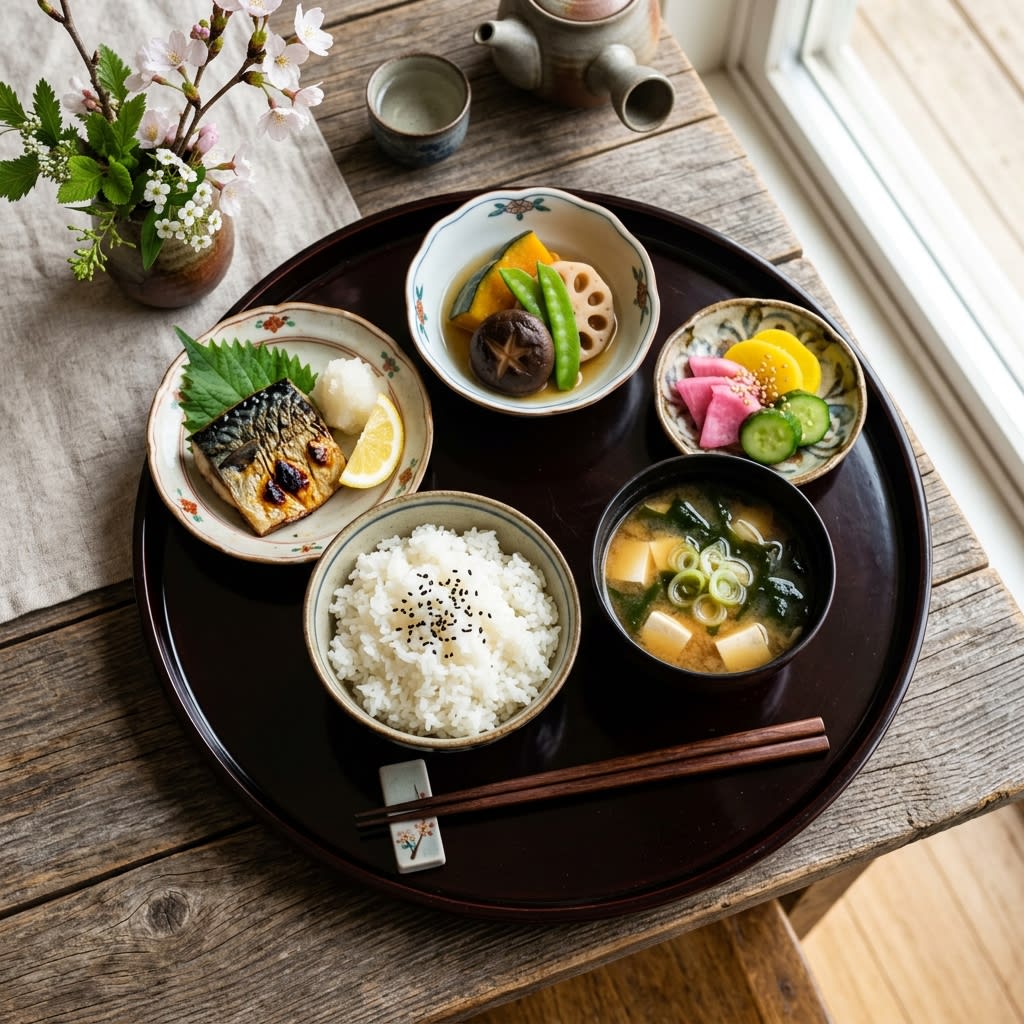
The foundation of washoku is ichiju-sansai — "one soup, three side dishes" alongside rice. This isn't just a meal format. It's a philosophy of balance.
From a nutritional standpoint, this structure achieves an ideal equilibrium: minimal animal fats, beneficial bacteria from fermented foods, minerals from seaweed, and plant-based protein from soybeans — all consumed naturally in a single meal. Japan's status as one of the world's longest-lived nations owes much to this dietary framework.
But the truly compelling insight lies in the spirit of mottainai — "waste nothing." In washoku, daikon peels become kinpira stir-fry. Fish bones become dashi stock. Leftover rice becomes ochazuke. This zero-waste philosophy aligns perfectly with modern sustainability principles.
Then there's the concept of shun — seasonality. Bamboo shoots in spring, sweetfish in summer, matsutake mushrooms in autumn, fugu in winter. Choosing ingredients at their peak isn't just a culinary preference — it's a way of living in harmony with nature's rhythm.
Washoku teaches us not only what to eat, but how to live: respect nature, value balance, and express gratitude for everything. That philosophy is resonating deeply with people around the world who are searching for a more sustainable future.
Understanding Japan Through Food
If you truly want to understand Japan, start with eating.
Behind the steam rising from a bowl of miso soup, you'll find the wisdom of generations of artisans. Within a single cup of sake, the local water, rice, and climate are dissolved. In the etiquette of holding chopsticks, respect for others and gratitude for nature are expressed.
In 2026, visitors to Japan are expected to surpass 45 million. Many come seeking "experiences." But the most profound experience may be found in the dim light of a miso storehouse, amid the energy of a morning market, or in a single piece of pickled vegetable offered by a grandmother sitting next to you at a countryside restaurant.
Japanese food culture isn't just about serving something delicious. It's a proposal for a way of living — one that reexamines the relationship between nature and humanity, and infuses daily life with gratitude through the simple words itadakimasu.
Pick up your chopsticks. The deepest story Japan has to tell is hidden in a single bite.