
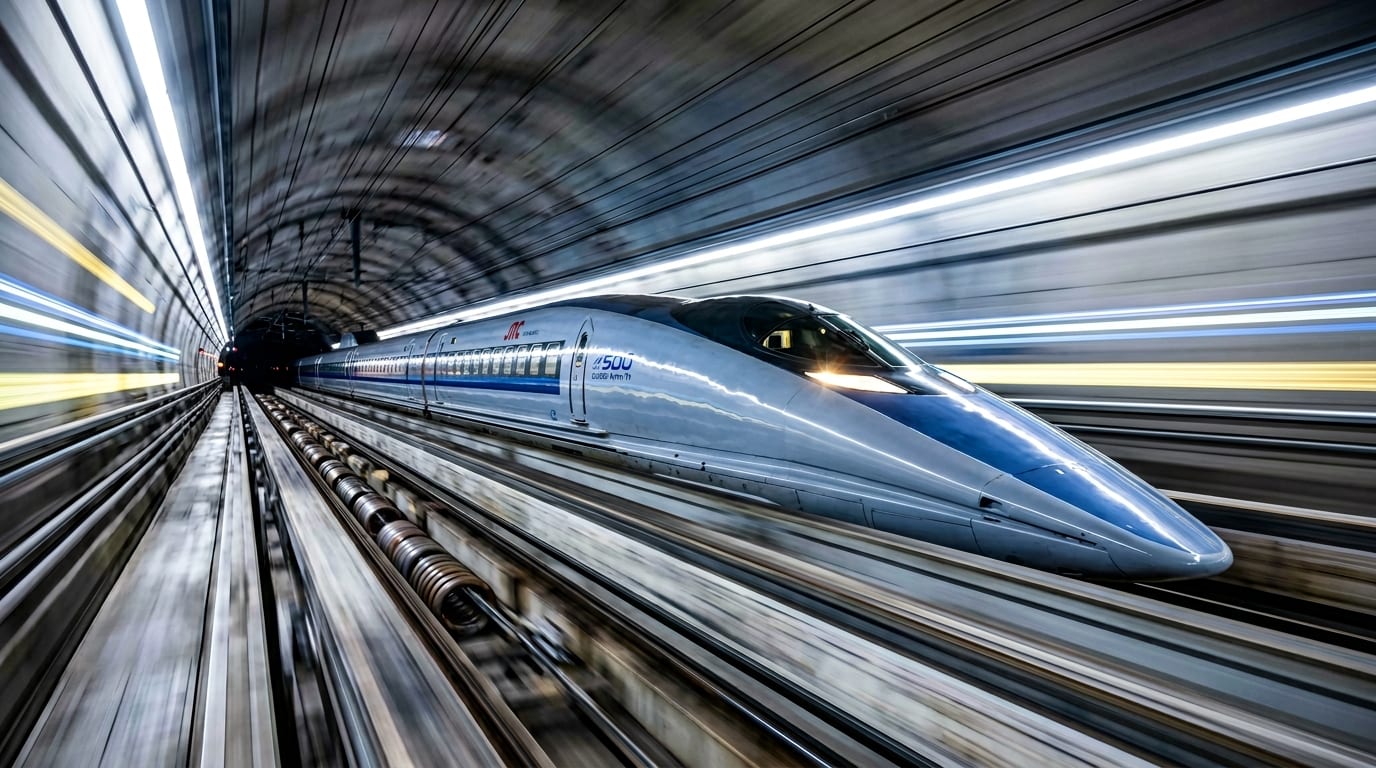
On March 26, 2026, in a committee room in Shizuoka, Japan quietly unlocked the $73 billion Linear Chuo Shinkansen — a 505 km/h Maglev train that levitates 10 cm off the ground and runs 86% underground. Why nobody noticed, and why it changes everything by 2035.
Read this article to earn +5 MTC
On March 26, 2026, in a wood-paneled committee room in Shizuoka Prefecture, a man named Sho Hiraki took the microphone.
"A very big hurdle," he said, "has been overcome."
Outside, no front pages exploded. No banner headlines. The world was watching elections, AI launches, and a trade dispute. Almost nobody noticed that Japan had just unlocked the most expensive infrastructure project in its modern history — a train that levitates 10 centimeters above the ground, carries passengers at 505 kilometers per hour, and will cut Tokyo–Nagoya from 67 minutes to 40.
The price tag: ¥11 trillion — roughly $73 billion USD. The route: 86% underground. The wait: nine more years.
This is the train Japan almost gave up on. And on a quiet Thursday in March, the country decided to build it anyway.
Numbers That Don't Make Sense (Until They Do)
¥11 trillion is more than twice the cost of the Tokyo 2020 Olympics. Seven times Apple's spaceship campus. Enough to fund Japan's national space agency for 60 years.
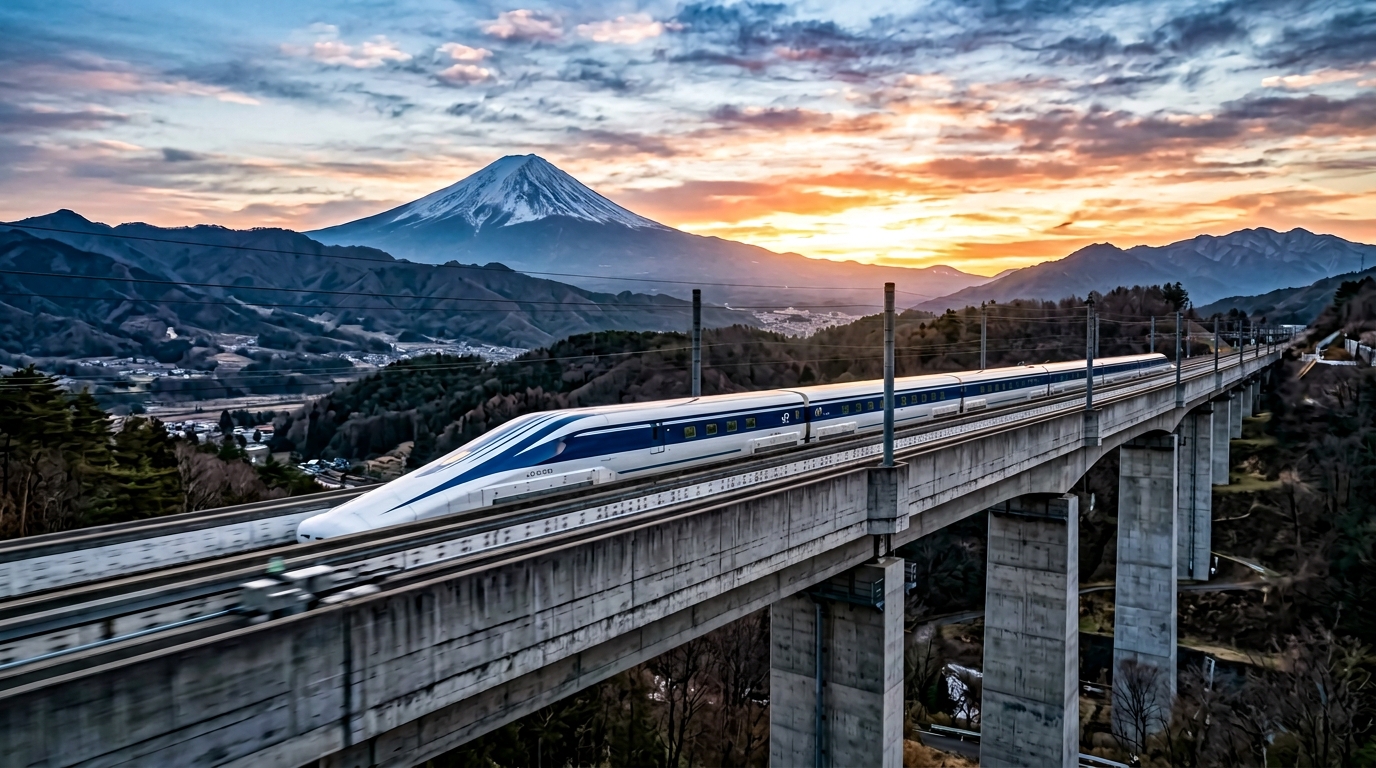
For that money, you don't get a particularly long railway. Tokyo to Nagoya is just 285.6 km — roughly London to Paris. Of that, 246 km — exactly 86% — will be inside tunnels. Some passages will run 40 meters below the surface, deeper than a 13-story building is tall.
Passengers won't see Mt. Fuji from the train. They won't see the Tenryū River, the Southern Alps, or the rice paddies of central Japan. They will sit in a humming silver capsule, in the dark, for 40 minutes.
In exchange, they save 27 minutes.
When the line eventually extends to Osaka, the entire Tokyo–Osaka journey — currently 2 hours 22 minutes — will collapse to 67 minutes. A morning meeting in Shinjuku and lunch in Dotonbori, same day, same train.
The train itself: the L0 Series. Superconducting magnets, cooled to −269°C with liquid helium, suspend the train roughly 10 cm above a U-shaped concrete guideway. There are no wheels in normal operation. Moving faster than a Formula 1 car, the train does not touch the earth.
The current world record for rail travel — 603 km/h, set on the Yamanashi test track — belongs to an L0 prototype.
The Nine-Year War You Probably Missed
The Linear was supposed to open in 2027. JR Central broke ground in 2014, with the casual confidence of a country that built the world's first high-speed rail in 1964 and has been perfecting the genre ever since.
Then, in 2017, the project hit a wall — and the wall was made of water.
The route required boring an 8.9-kilometer tunnel directly beneath the headwaters of the Ōi River, a watershed feeding the entire Shizuoka Prefecture. Local farmers and prefectural officials worried construction would drain groundwater into the tunnel, robbing downstream communities of the water their livelihoods depended on.
What followed was nine years of negotiation that exhausted national patience.
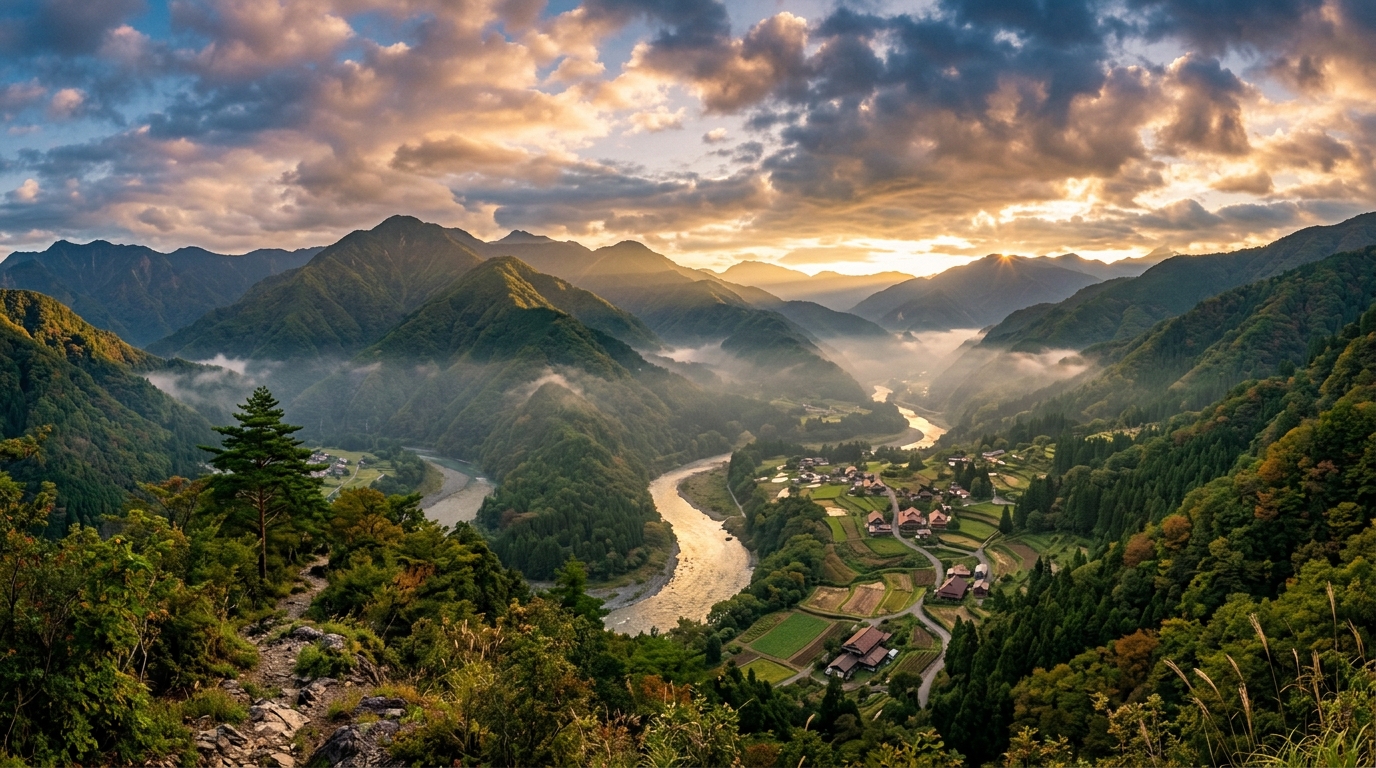
The then-governor, Heita Kawakatsu, made stopping the project his defining political identity. The dispute became a symbol of something larger: a question about whether modern Japan was still capable of building enormous things, or whether the careful, consensus-driven culture that made Japanese trains so safe had become a culture that couldn't move at all.
Then, three things happened in quick succession.
April 2024 — Governor Kawakatsu resigned over an unrelated scandal. His successor, Yasutomo Suzuki, took office.
January 2026 — JR Central and Shizuoka signed a binding water-compensation agreement. Any reduction in the Ōi River would be offset by JR Central, with no requirement for the prefecture to prove construction was the cause.
March 26, 2026 — the prefectural assembly's special committee approved all 28 of JR Central's environmental protection measures. Construction in Shizuoka, blocked since 2017, can begin before the end of this year.
The official new target: opening 2034 to 2036.
Nine years. The world barely noticed when it ended.
What This Quietly Changes (For Everyone)
The Linear's purpose isn't really speed. It's compression.
Tokyo, Nagoya, and Osaka — three of the world's largest urban economies — are about to be folded into a single 67-minute commute zone. Japanese planners have a name for this: the "Super Mega-Region." Roughly 70 million people — more than the entire population of France — will live within an hour of each other on one train.
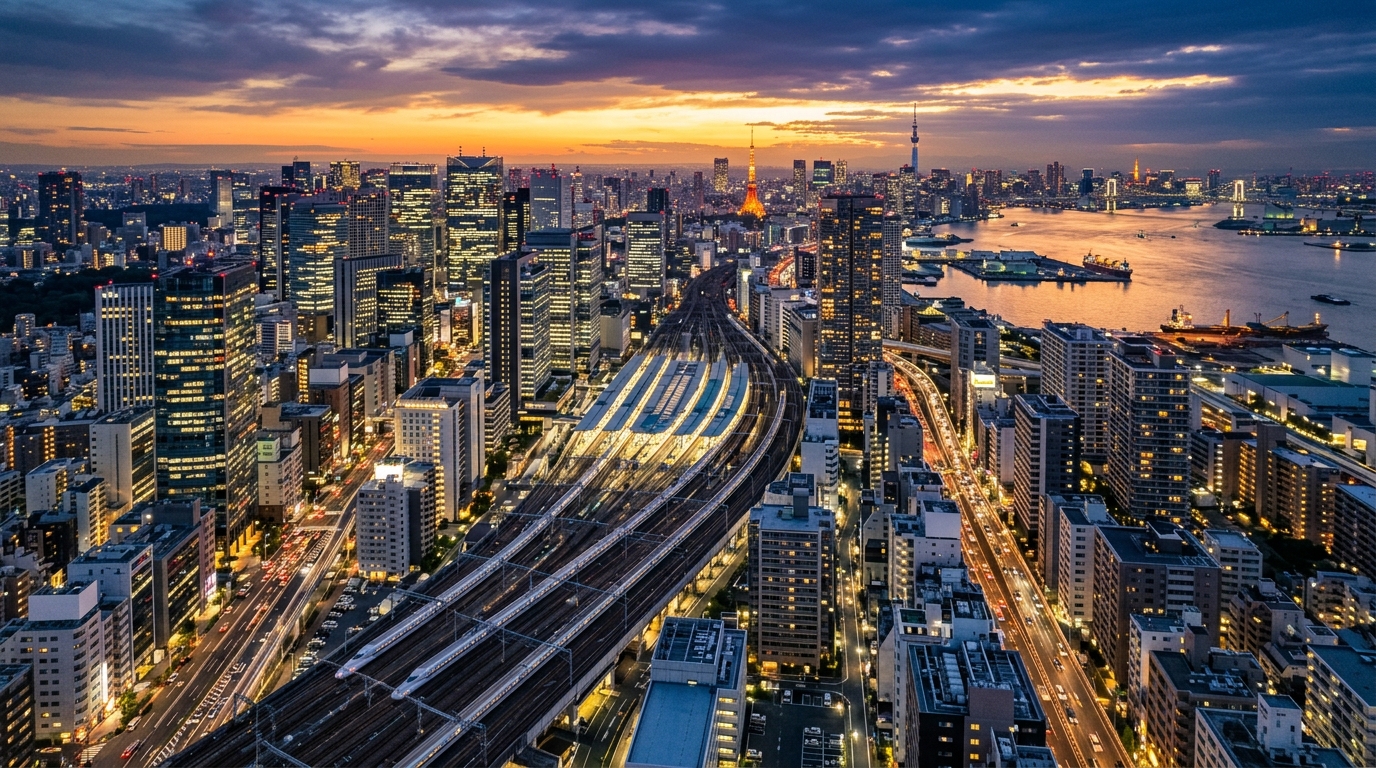
A Tokyo-based founder can take a 10:30 AM client call in Osaka and be back at her Shibuya desk by lunch. A Kyoto craftsman can ship goods to a Tokyo gallery and personally attend the opening that evening. A Nagoya engineer can split a single workday between two cities.
For inbound travelers, the implications are larger than they sound. Right now, "doing Japan" means flying into Tokyo, taking the Shinkansen to Kyoto, continuing to Osaka. The Linear collapses that geometry. Tokyo and Osaka stop being two destinations and become two halves of one city. Kyoto — pointedly not on the Linear route — gains a new identity as the deliberately slow city. The classic Tōkaidō Shinkansen, no longer the speed leader, becomes the scenic route past Mt. Fuji.
Real estate prices are already moving along the route. Hashimoto, Kōfu, Iida, Nakatsugawa — small cities most foreigners have never heard of — are about to become commuter suburbs of Tokyo.
By 2035, "where you live" in Japan may no longer correlate with "where you work." A train will have erased that constraint.
Why Magnetic Levitation, Really
Why not just a faster steel-on-steel Shinkansen?
The answer is friction. At 500 km/h, conventional rail wheels generate enough heat and wear to make routine operation economically impossible. Today's Tōhoku Shinkansen, top speed 320 km/h, is already at the edge of what steel-on-steel can sustainably handle.
The L0 solves this by not touching the track. Superconducting magnets in the train repel magnets in the guideway with enough force to lift the entire car about 10 cm into the air. With no contact, there is no friction, no rail wear, no wheel maintenance. The train still has wheels — but they're emergency wheels, like landing gear on an airplane, retracting once the train hits roughly 150 km/h.
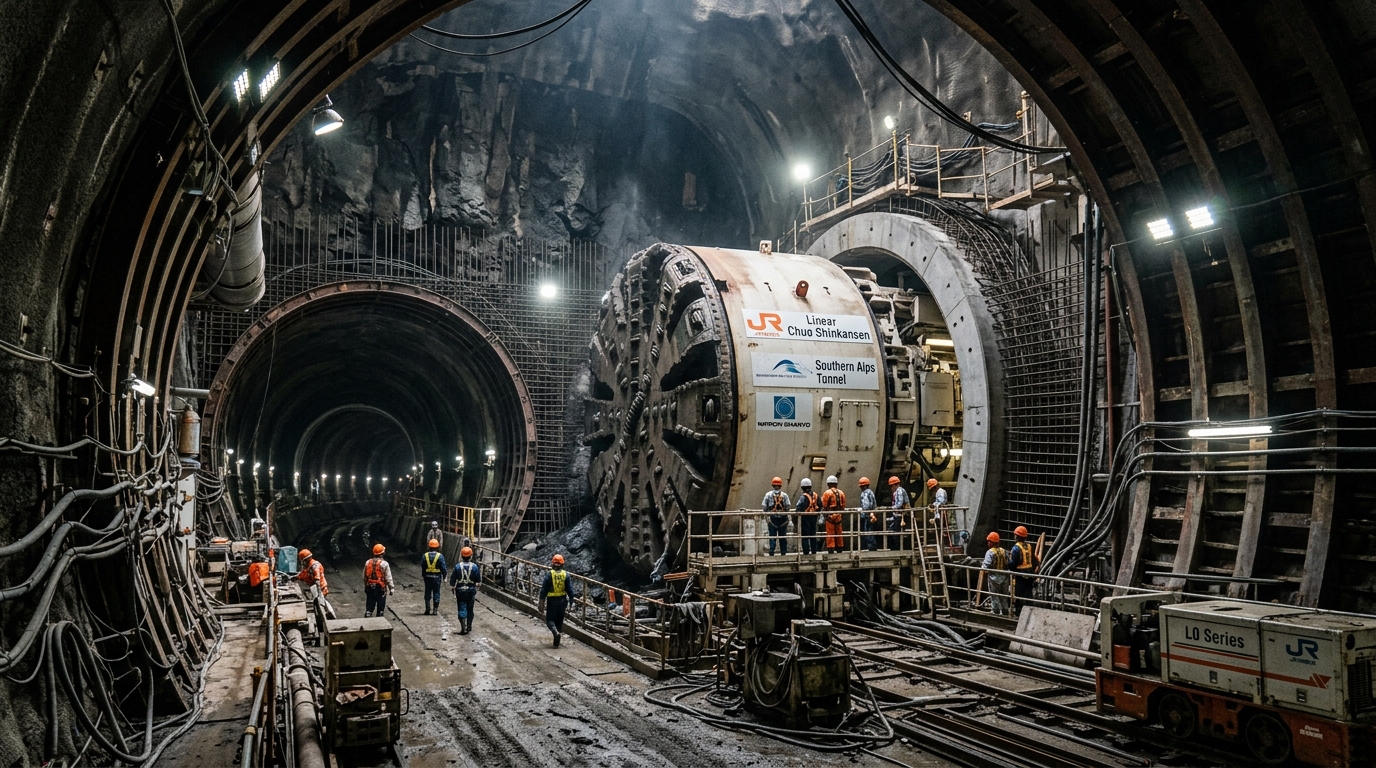
The trade-off is brutal complexity. Magnets cooled to −269°C. Guideways machined to millimeter tolerances. The 86% of route in tunnels exists because the train is too sensitive to weather, wind, and ground vibration to run reliably outdoors at full speed.
This is why no other country has built one. China has tested maglev. Germany invented the basic technology. South Korea has a short tourist line. Only Japan — patient, infrastructure-obsessed, and willing to spend 50 years between concept and operation — has been willing to do the rest.
The Train You Won't Ride for Nine Years
Here is the strange truth about March 26, 2026.
It was probably the most consequential infrastructure decision of the decade for Japan, and you almost certainly didn't hear about it. A vice governor said one sentence in a committee room. A project frozen for nine years began moving again.
By 2034 or 2035, when the first commercial Linear pulls quietly out of Shinagawa Station and arrives in Nagoya 40 minutes later, this date will have faded into a footnote.
But that's the curious gift of long-horizon infrastructure: the thing being built rarely matches the moment it was approved. The Tōkaidō Shinkansen, when it opened in 1964, was a transportation upgrade. Sixty years later, it became the symbol of an entire era of Japanese identity.
The Linear Chuo Shinkansen will be approved in committee rooms, fought in court, delayed by water rights, and built in darkness — 86% of it underground, in tunnels no passenger will ever see.
And when it finally opens, you'll board it in Tokyo, look at your phone, look up — and realize you're in Nagoya.
In the time it takes to watch one episode of Netflix.