The 1000-year-old word championed by Nobel laureate Wangari Maathai. The Buddhist roots, how it shaped Japan, and a 7-day practice for your life.
Read this article to earn +5 MTC
"Mottainai" — The 1000-Year-Old Japanese Word That's Saving the Planet (And Your Wallet)
A Word That a Nobel Laureate Made Global
In 2005, Kenyan environmental activist Wangari Maathai — winner of the Nobel Peace Prize — held a single Japanese word up at a UN summit and declared it "the single most important concept the world needs to learn."
That word: mottainai.
She used it in speeches around the world. The UN adopted it as part of sustainability messaging. Suddenly, a 1000-year-old Japanese word became a global movement.
But almost no one outside Japan understands what it actually means.
What "Mottainai" Actually Means
A direct translation: "What a waste!"
But that's like translating "ikigai" as "purpose." It misses the spiritual depth.
Mottainai is composed of:
- Mottai (勿体): essence, intrinsic value, sacredness
- Nai (無い): absent, nonexistent
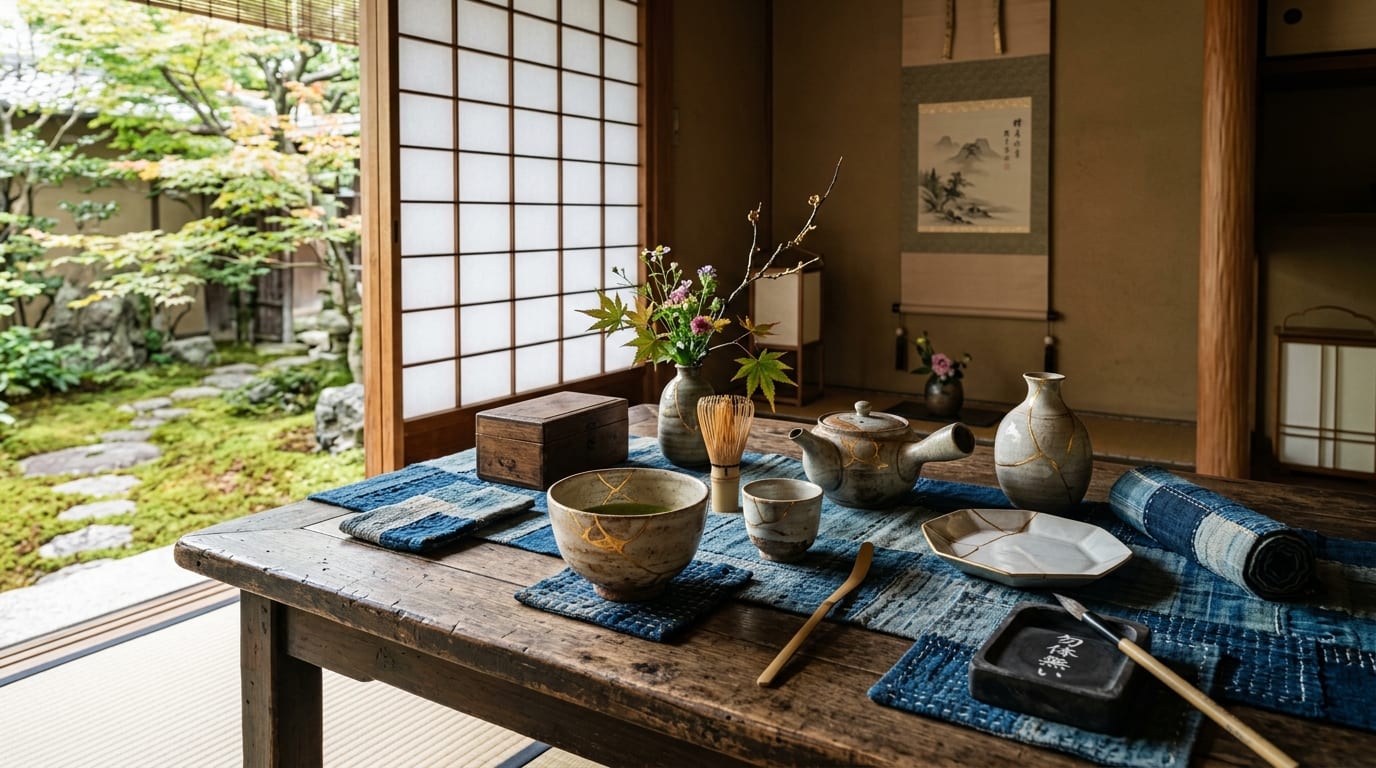
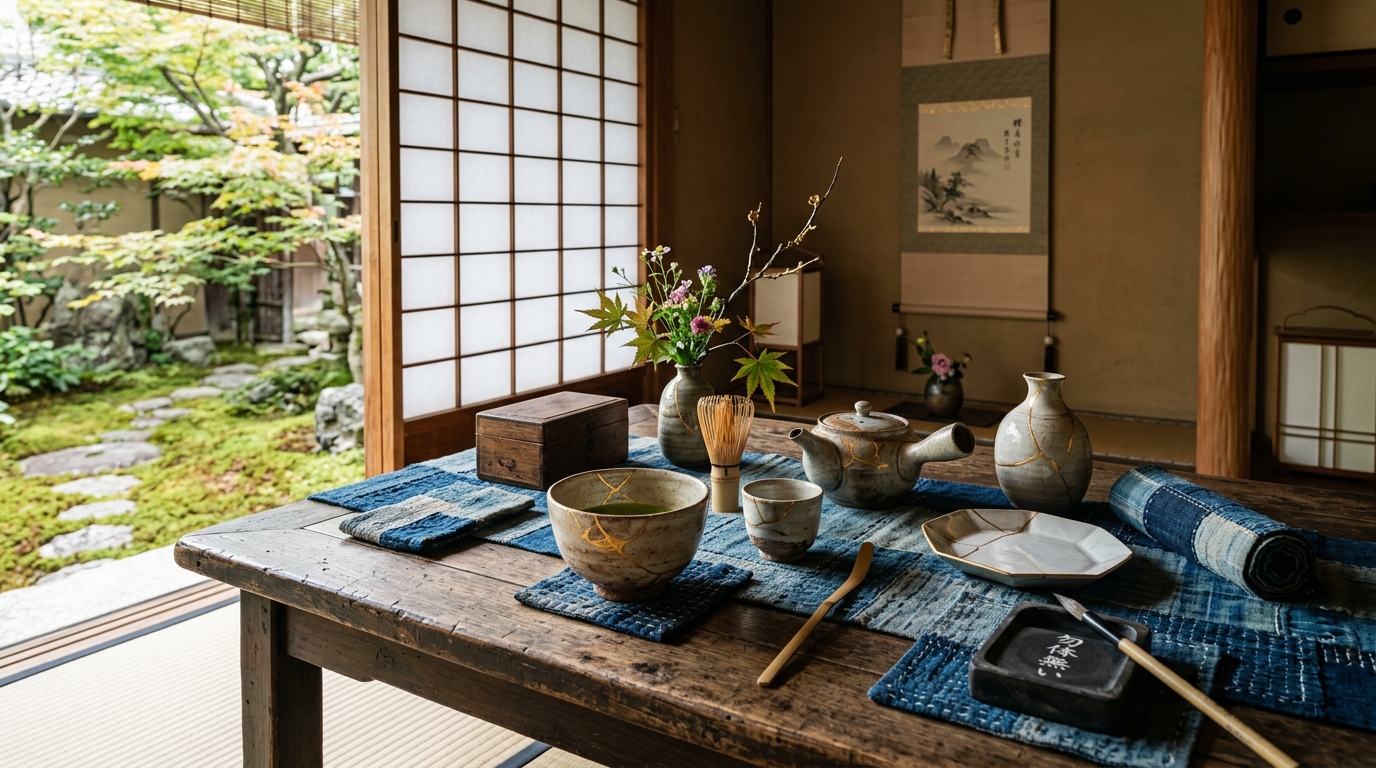
So mottainai literally means: "there is no respect for the intrinsic value." It's an expression of regret that something with sacred essence is being treated as if it had none.
This is fundamentally different from Western "what a waste" — which is logical/economic. Mottainai is spiritual/moral.
When Japanese Use the Word
You'll hear mottainai dozens of times a day in Japan, in surprising contexts:
Economic mottainai
- "Throwing this away when it's still good — mottainai"
- "Buying a second car when one is enough — mottainai"
Time mottainai
- "Watching TV all day — mottainai"
- "Spending years in a job you hate — mottainai"
Talent mottainai
- "She's so smart but doesn't speak up — mottainai"
- "He has musical talent but plays games — mottainai"
Relationship mottainai
- "You're letting this friendship fade? Mottainai"
- "She loves you so much, mottainai if you don't appreciate her"
Self-respect mottainai
- "Your body deserves better food — mottainai"
- "You're capable of more — mottainai not to try"
This shows the Japanese mind sees waste everywhere, in many dimensions, not just garbage.
The Buddhist Roots
Mottainai comes from Buddhist philosophy that everything has buddha-nature — even physical objects.
When you waste an apple, you're disrespecting:
- The apple itself (which has innate worth)
- The tree that grew it
- The farmer who tended it
- The truck driver who transported it
- The shopper who selected it
- All the energy of the universe that made it possible
The chain stretches back to the Big Bang. Wasting is a kind of nihilism — denying the worth of all that came before.
This is why Japanese feel actual regret (not just inefficiency) when they waste. They feel they've harmed the cosmos slightly.
How Mottainai Shaped Modern Japan
This word's worldview created some of Japan's most distinctive features:
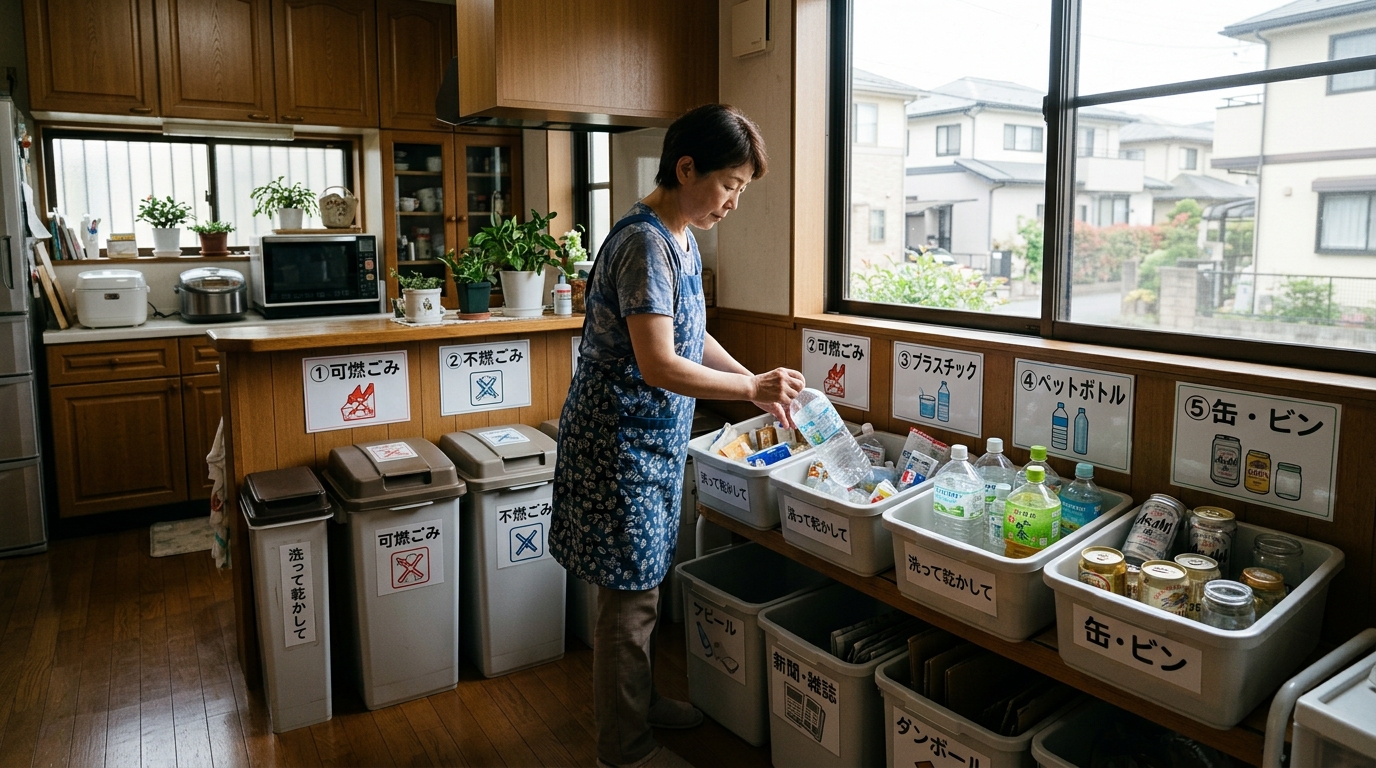
1. Recycling Mastery
Japan recycles 84% of municipal waste. The US: 32%. The EU: 48%.
Why? Mottainai. It's not regulation — it's a moral imperative. Japanese sort trash into 8-15 categories, often spending an hour weekly on recycling.
2. Repair Culture
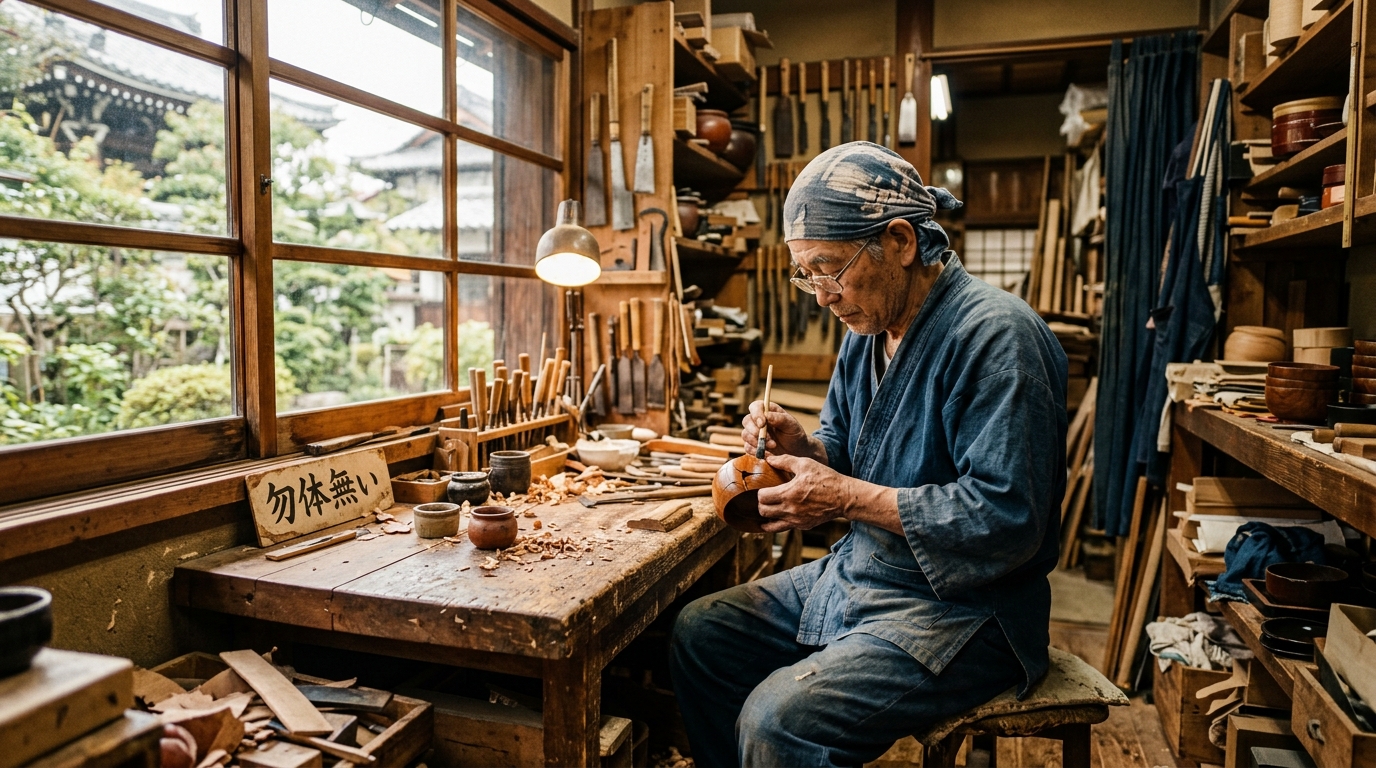
Japan has more repair shops per capita than any developed country. Watches, shoes, electronics, clothing, toys — repair is preferred over replacement.
Kintsugi (golden joinery for ceramics) is the most famous example. But it extends everywhere: shoe repair stalls, watch repair counters, even smartphone screen replacement.
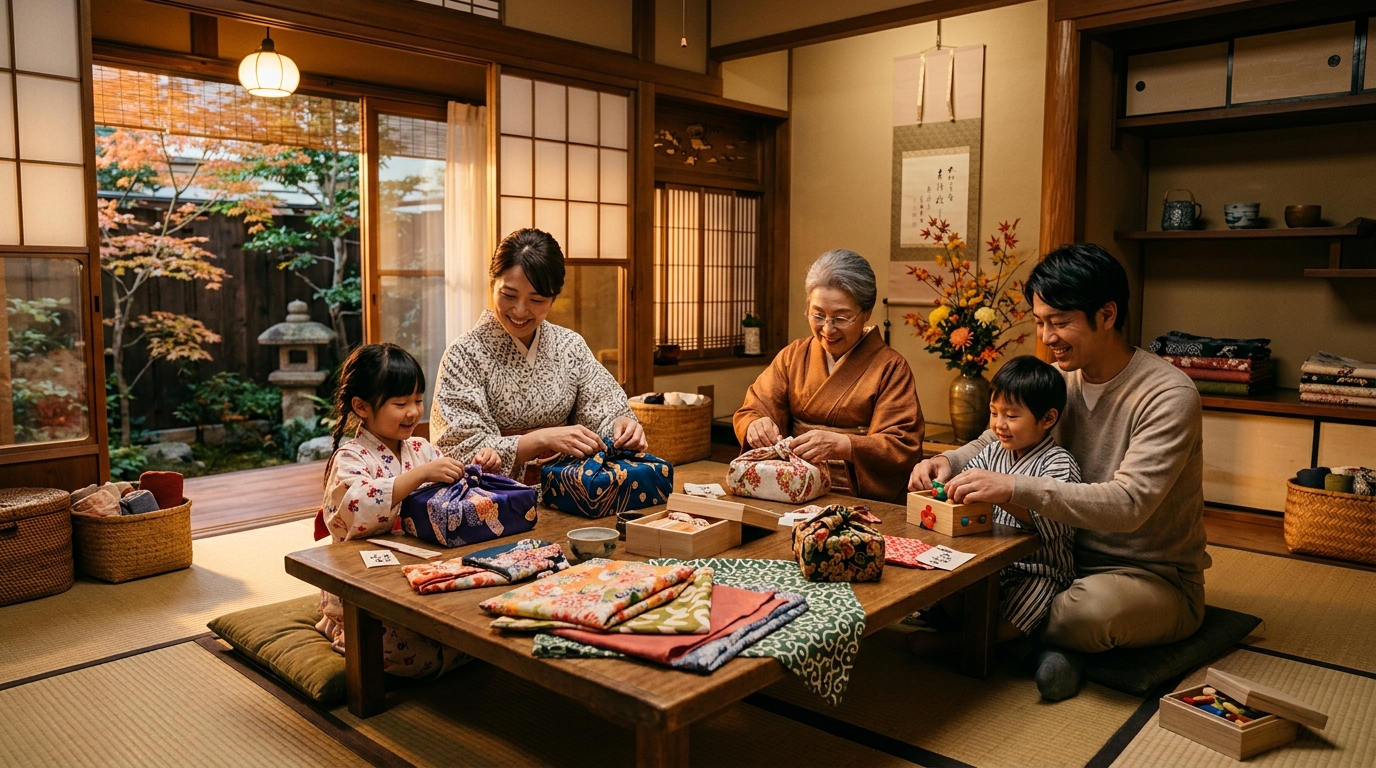
3. Furoshiki (Cloth Wrapping)
Traditional Japanese gift wrapping uses furoshiki — a square cloth wrapped around objects. After delivery, the cloth is reused (potentially 100+ times).
Compare to Western paper wrapping (used once, discarded). One day in Japan saves what one day in the US wastes.
4. Compact Design
Japanese product design (Kondo Marie's books, MUJI's aesthetic, Toyota's lean manufacturing) all flow from mottainai. Don't waste materials. Don't waste space. Don't waste features.
5. Food Preservation
Japan invented modern food preservation (vacuum-sealed packaging, ultra-fast cooking methods, intricate pickling) to ensure no food is wasted.
Why Wangari Maathai Chose This Word
Maathai understood that environmentalism as logical argument doesn't work. People know wasting harms the planet, and they waste anyway.
What works is emotional, spiritual conviction. Mottainai turns waste into a moral failing, not a logistical problem.
When she said "mottainai" globally, she was saying: stop treating waste as just an inefficiency. Treat it as a violation of the sacred.
This emotional framing is why the word resonated. People could feel something they couldn't feel from "reduce, reuse, recycle."
How Mottainai Could Save Your Wallet
Adopting mottainai isn't just spiritual — it transforms your finances:
1. Repair Before Replace
Most clothes, shoes, electronics are repairable for 1/10 the cost of replacement. Try it for 6 months.
2. Use Things Completely
Squeeze toothpaste tubes empty. Eat all leftovers. Wear out clothes before discarding. Use up products before buying new.
3. Buy Better, Less Often
Mottainai favors fewer high-quality things over many cheap things. A $100 pair of leather shoes (repaired 5 times = $200 total) lasts 20 years. Five $40 pairs of synthetic shoes = $200 too, but they're all in landfill in 5 years.
4. Time as Resource
Wasted time is just as much mottainai as wasted plastic. One hour scrolling Instagram you'll never get back. Treat your time with the same reverence as objects.
5. Talent Audit
What gifts do you have but don't use? Music? Writing? Languages? Cooking? Don't let your own talents be mottainai. Use them.
How to Practice Mottainai This Week
Day 1: Audit Your Trash
Look at what you throw away today. Ask: "Was that mottainai?" You'll see waste everywhere.
Day 2: Repair Something
Pick one thing in your life you've considered replacing. Try repairing it instead.
Day 3: Eat Everything
Make sure no food gets thrown away. Plan meals to use leftovers.
Day 4: Time Audit
Track every hour. Identify the mottainai hours (scrolling, commuting wasted, idle waiting). Fix one tomorrow.
Day 5: Talent Use
Pick one talent you've neglected. Spend 30 minutes practicing it.
Day 6: Relationship Care
Reach out to one person you've been neglecting. Tell them they matter.
Day 7: Self-Check
Ask: "Is my body, mind, time, energy being used at its best? Or is something mottainai?"
The Bigger Pattern
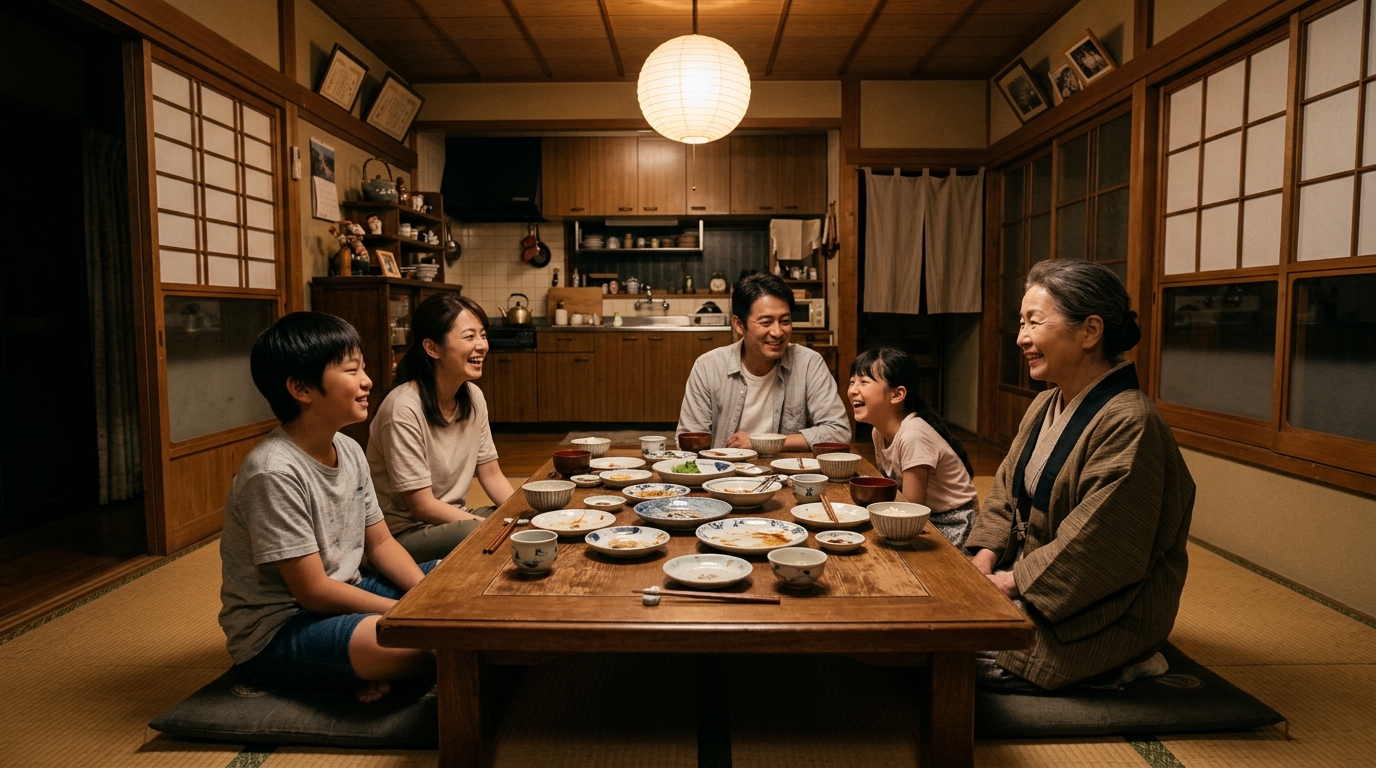
Mottainai isn't about being miserly. It's about recognizing the sacredness of everything.
When you live with mottainai, you naturally:
- Spend less (less waste = less consumption)
- Care more (everything is sacred)
- Live deeper (you notice what surrounds you)
- Suffer less (you appreciate what you have)
- Connect more (relationships matter)
This is the gift the word offers: not a moral burden, but a deeper way of being alive.
In 2026, the planet is groaning under our waste. Climate change is accelerating. Resources are running out.
But the answer isn't more regulation. It's a deeper way of seeing.
A 1000-year-old word from Japan, championed by an African Nobel laureate, offering exactly that.
Mottainai. Now you know what it means. Use it.