

Why doesn't the world envy Shohei Ohtani? The "humility × skill" philosophy behind his 3 MVPs and $700M contract. Shu-ha-ri, ichigo ichie. 5 practices to start.
Read this article to earn +5 MTC
Why Shohei Ohtani Embodies "Humility × Overwhelming Skill" — The Japanese Philosophy of World-Class Success
The Anomaly: Nobody Envies Shohei Ohtani
By 2025, Shohei Ohtani won his third MVP, achieved MLB's first-ever 50-50 (50 home runs + 50 stolen bases), and signed a $700 million contract. He's already called "the once-in-a-century two-way player since Babe Ruth."
But the truly anomalous fact: no famous person in the world envies him.

Ronaldo, Messi, LeBron — superhuman, but always with media "rivals." For Ohtani, no one in the world speaks ill of him.
Why is he alone immune to envy? The answer is the core of Japanese success philosophy.
The "Abnormal Humility" Episodes
Episode 1: Picking Up Trash
During games, when Ohtani spots trash from the bench, he picks it up and disposes of it himself. MLB's official cameras have repeatedly caught this, becoming a worldwide phenomenon.
"I'm picking up luck. Trash is luck someone dropped. Pick it up, and luck comes to you."
This habit was already written in the life-plan notebook he made in high school.
Episode 2: Handling the Interpreter Scandal
In 2024, his longtime interpreter Ippei Mizuhara's gambling scandal broke. The world expected Ohtani to denounce him. His response surprised everyone.
"This situation is truly unfortunate. But I will focus on baseball for my teammates and supporters."
No blaming, no lamenting, no seeking sympathy — just focusing on his own responsibility. The world was stunned.

Episode 3: Insane Practice Volume
Dodgers manager Dave Roberts says: "He practices 6 hours daily even in offseason. He arrives earliest and leaves latest. When I asked why, he said 'because I'm not yet my ideal self.'"
Already #1 in the world, yet not satisfied. This is the philosophy of Japanese "do" (way).
"Humility × Overwhelming Skill" — The Power of Two Contradictions
Western success philosophy emphasizes "confidence," "self-assertion," "self-branding." Those who say "I'm the best" win.
Japanese success philosophy is the opposite. "Humility," "self-discipline," "respect for others" form the core.
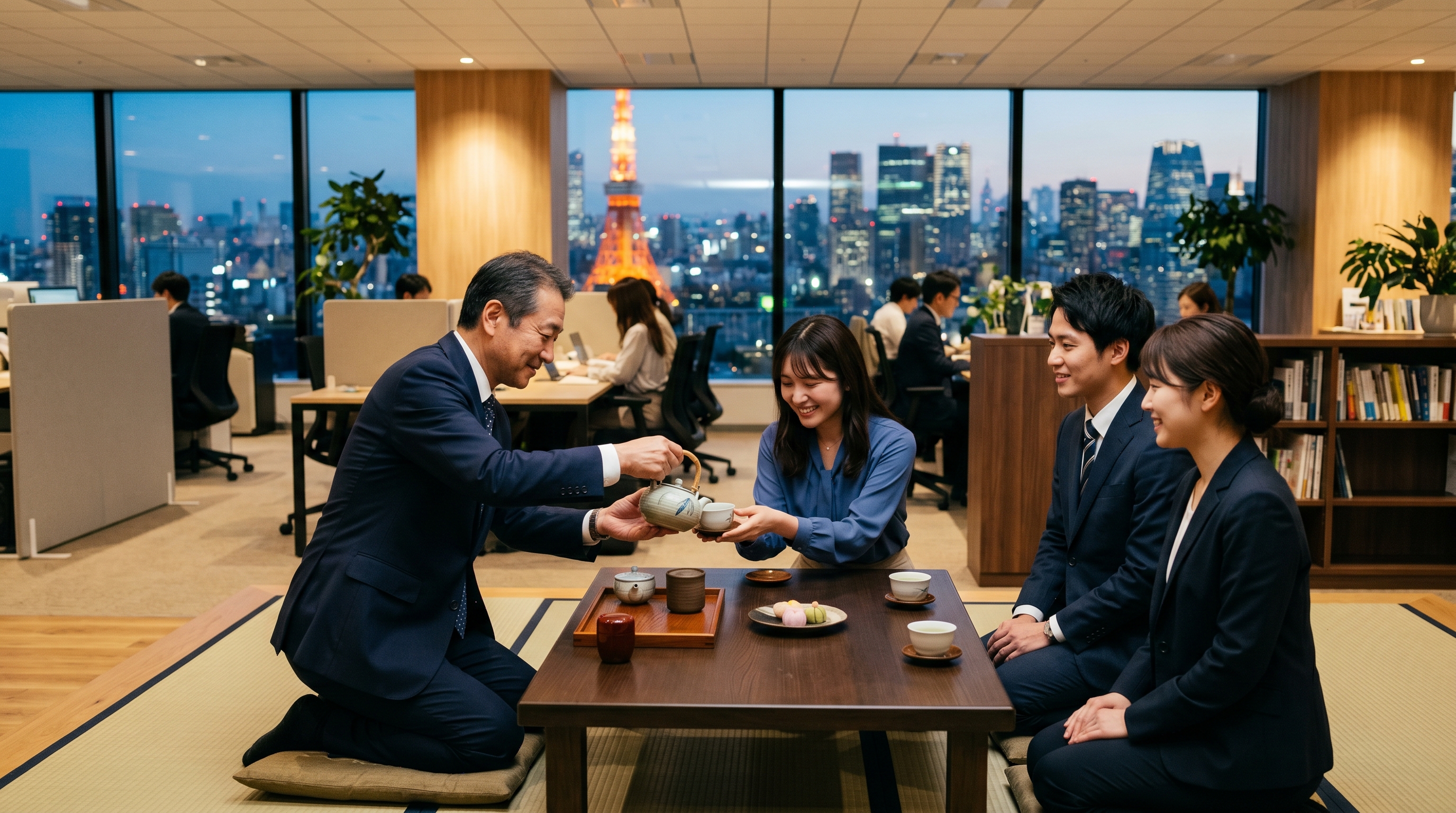
Why is the Japanese way stronger long-term? Three reasons.
Reason 1: Without Envy, No Enemies Form
Napoleon Hill said: "People drag down those they envy." Ohtani behaves so as to threaten no one. So no one tries to drag him down.
Reason 2: "Not Enough Yet" Never Stops Growth
The moment you think "I'm the best," learning stops. Those who think "not yet ideal" keep growing forever.
Reason 3: Lifts the Whole Team
Humble leaders treat those around them as superiors. This raises team-wide motivation and contribution.
4 Spiritual Pillars Behind "Humility × Skill"
1. The Concept of "Do" (Way)
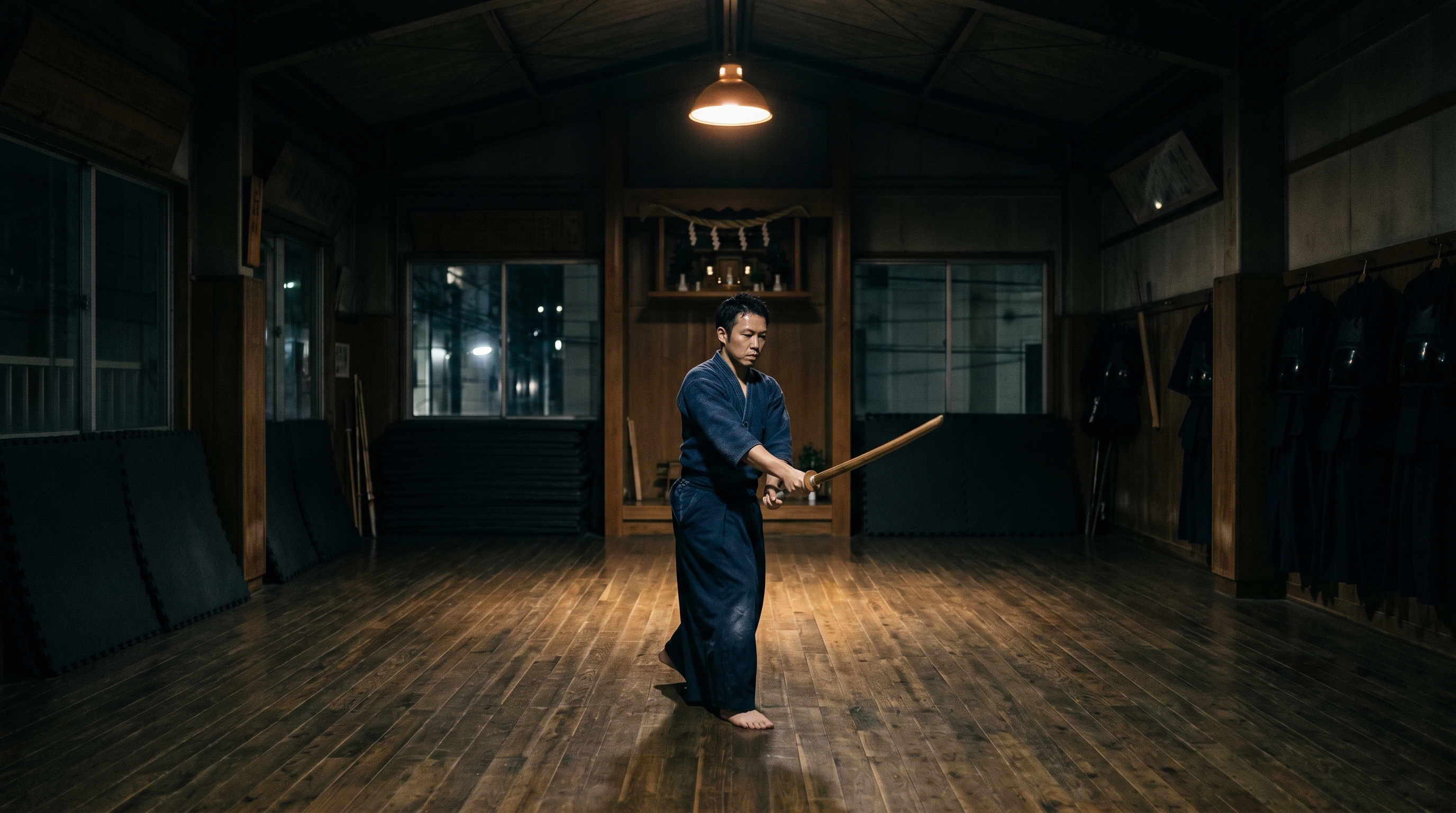
Kendo, Sado (tea), Shodo (calligraphy), Judo — every "do" means an endless learning journey. There is no "mastering," only continuing to walk.
2. Shu-Ha-Ri
The 3 stages of training established by Sen no Rikyu:
- Shu: Faithfully follow the master's teaching
- Ha: Break the teaching, add your own innovation
- Ri: Leave the master, reach your own realm
First, learn with complete humility. Only then does originality emerge.
3. Ichigo Ichie
"This moment, this encounter, only once in a lifetime." So pay maximum respect to this moment now. Why Ohtani greets every spectator and staff member before and after games.

4. The Spirit of Altruism
The core spirit of Buddhism. "Not for myself, but for others." When Ohtani says "I want to give children dreams," it's not lip service — it's genuine motivation.
5 Things You Can Practice Today
1. Consciously Reduce "Bragging" by One Per Day
Suppress the urge to post "look at me" on SNS. Instead, post celebrating others' success.
2. The "Trash Pickup" Habit
Office, street, home — pick up trash you notice. Builds the "luck-collecting" habit. Psychologically proven to increase sense of control.
3. "Not Yet Ideal" Mindset
After every achievement, ask "what's the next level?" not "this is complete." The source of endless growth.
4. Make Others the Star Once Daily
In meetings, draw out others' opinions. Cede credit to others. Explosively builds leadership credibility.
5. Continue "Invisible Effort"
No one watches Ohtani practice. But results show. Effort that's not for SNS display — effort continued whether anyone watches — builds true skill.
Closing — The Era When "Japanese-Style" Becomes Global Standard
In Silicon Valley, "Quiet Leadership" and "Servant Leadership" are the new standards. Microsoft CEO Satya Nadella is the model. His philosophy comes from Indian thought, but its essence matches Japanese "humility × skill."
The era of loud bragging is ending. The era of skilled people speaking quietly is beginning.
Ohtani is loved worldwide because the human image he displays is the ideal for the coming era.
If tomorrow you pick up trash, restrain bragging, and tell yourself "not yet ideal" — you too will become someone who, like him, is overwhelming yet beyond envy.