
Read this article to earn +5 MTC
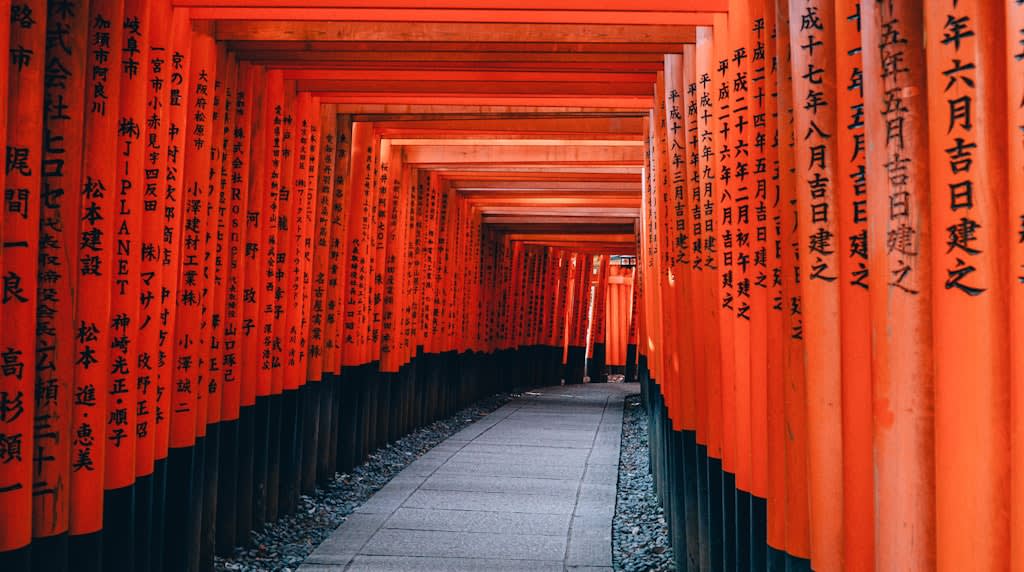
Close your eyes and picture a Japanese temple. You're probably imagining something like this: ancient wooden buildings surrounded by raked gravel gardens, incense curling through silent halls, a monk in flowing robes meditating beside a pond of koi fish. Peace. Stillness. Zen.
Now open your eyes. Because the reality of Japanese temples is far more interesting — and far more human — than that fantasy.
The Illusion: Temples as Spiritual Retreats
The image of the serene Japanese temple is one of the most successful pieces of cultural marketing in human history. And it's not entirely wrong — these places can be breathtakingly beautiful. But reducing temples to "peaceful meditation spots" is like reducing a hospital to "a building with nice flowers in the lobby."
Japanese temples are living institutions. They're businesses, community centers, funeral homes, daycare facilities, and in some cases, parking lot operators. And right now, they're fighting for survival.
A Day in the Life of a Real Temple
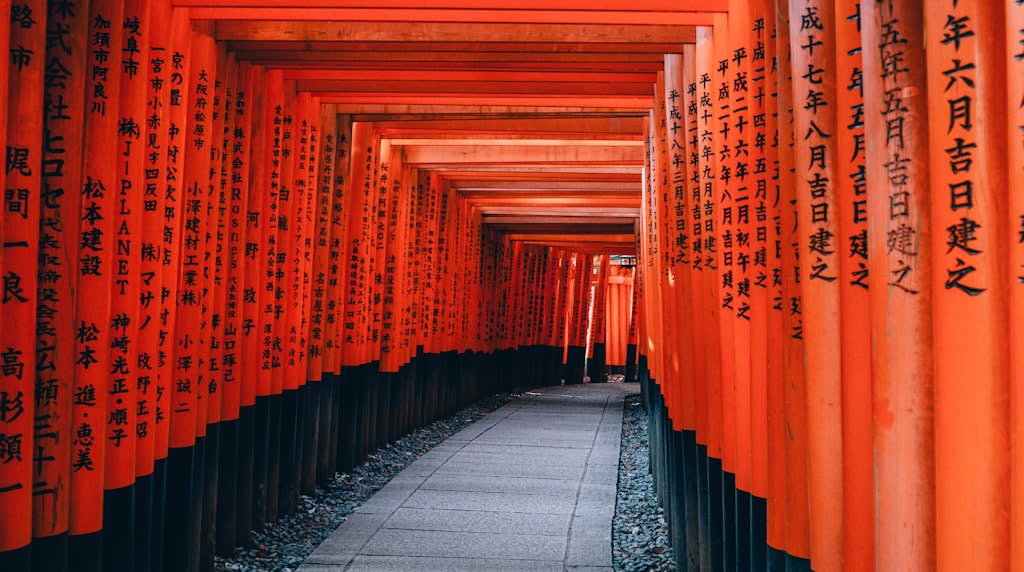
Here's what a typical day looks like for a monk at a small family-run temple — which describes the majority of Japan's approximately 75,000 Buddhist temples.
4:30 AM: Wake up. Morning prayers. Not the romantic kind — the routine kind.
6:00 AM: Clean the grounds. Sweep leaves, pull weeds, scrub the main hall floor on your hands and knees.
8:00 AM: Administrative work. Pay bills. File paperwork. Update the temple's website.
10:00 AM: Funeral preparation. Meet with the bereaved family to discuss the posthumous Buddhist name — which can cost anywhere from 200,000 to over 1,000,000 yen.
Afternoon: More funerals, memorial services, cemetery maintenance.
Evening: More prayers. Financial planning for the deteriorating roof that needs 30 million yen in repairs.
This isn't the Zen monk in the movies. This is a small business owner in religious robes.
The Crisis Nobody's Talking About
Roughly 30 percent of Japan's Buddhist temples may close by 2040.
Japan's population is shrinking and aging. Young people are leaving rural areas for cities. The traditional danka system — where local families pay annual fees to their affiliated temple — is collapsing.
Some temples have resorted to creative survival tactics. There are temples that operate as cafes, yoga studios, and event spaces. One temple in Tokyo hosts DJ nights.
So Why Are They Still Beautiful?
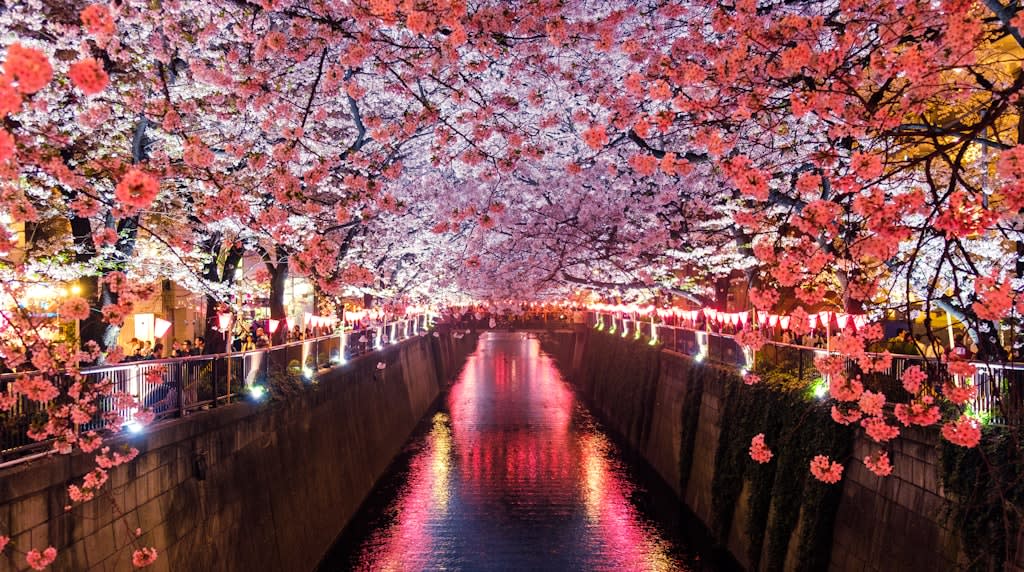
Here's the twist: the real temples, the messy, struggling, very human temples, are actually more beautiful than the fantasy version.
Because the beauty of a Japanese temple was never about peace and quiet. It was about impermanence. Temples were always supposed to be reminders that everything is temporary.
When you visit a small rural temple and see a 70-year-old monk single-handedly maintaining a building that's been there for 400 years, knowing that it might not survive another generation — that's the system working exactly as Buddhism intended. Nothing lasts. And there's something profoundly beautiful about a person who dedicates their life to caring for something they know will eventually disappear.
How to Actually Experience a Temple
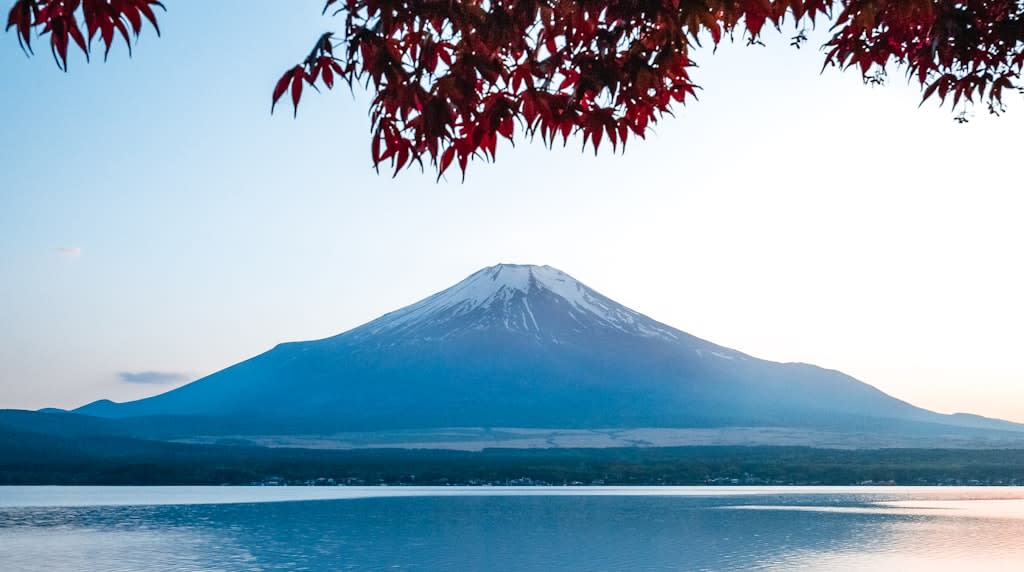
If you visit Japan and want a real temple experience, skip the tourist circuit. Visit a temple early in the morning, before the tour buses arrive. Watch the monks at their actual work.
And if a temple looks a bit worn, a bit tired, a bit less than perfect — sit with that. Because that weathered beauty is Japan at its most honest. Not a postcard. A real place, run by real people, doing their best to keep something alive in a world that keeps changing.
That's more meaningful than any meditation retreat could ever be.